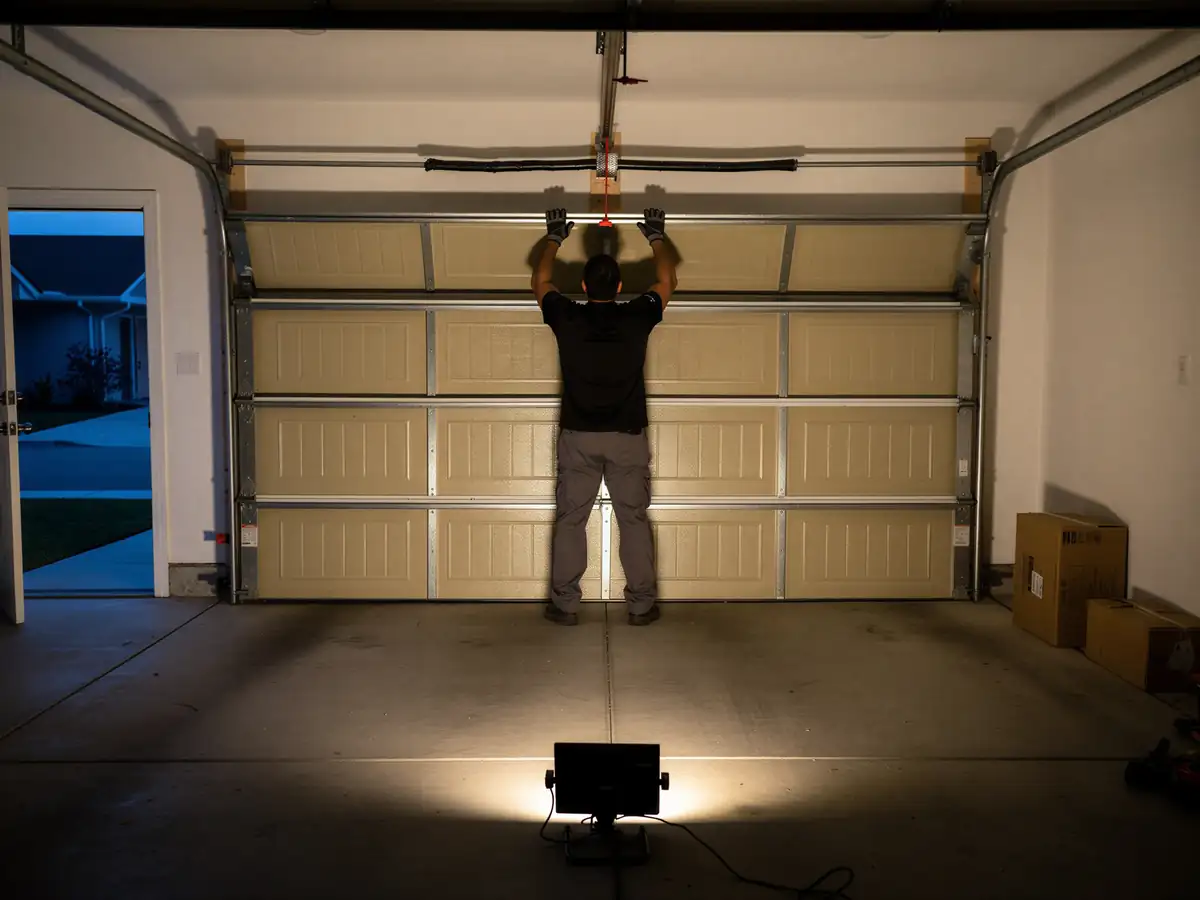
Indianapolis Garage Door Service Calls: What's Actually Checked
In Indianapolis, most homes date from 1997 to 2008 and winters run severe cold; a service call checks spring tension, opener wiring, and seals for that era.
Indianapolis sits in a severe-cold band, and that matters more to a garage door than most owners realize. Steel contracts in the cold. A torsion spring that's been doing fine for years can lose just enough flex on a hard freeze to snap on the next lift. Lubricant thickens, rollers bind, and openers have to pull harder to move the same door they moved easily in July. Most of the housing stock here went up between 1997 and 2008, which means a lot of doors are running original springs and original opener motors through their twentieth-plus cold season. That's not a coincidence of age - it's the same build window meeting the same climate, street after street. A service call in January looks different from one in June for exactly this reason: we're checking for metal fatigue that the cold exposes, not just general wear. If a spring's cycle count was already near the end, a 20-degree morning is what finishes it.
The Problem
The problem with a 1997-2008 house is that its garage door hardware is aging out all at once, not gradually. Torsion springs are rated in cycles, not years, and a door that's been opened twice a day for two decades has put a lot of wear on a part that was never meant to be looked at again after install. Add openers from that same era - chain-drive units with logic boards that weren't built for twenty years of service - and you get two failure points converging on the same house in the same five-year window. Across the area's roughly 79,903 owner-occupied houses, a large share were built inside that same decade-plus stretch, so this isn't an isolated issue on one street. It shows up as a spring that lets go on a cold morning, or an opener that starts grinding before it finally won't engage at all. The spring and the opener don't always fail together, but when a house hits this age, both are worth a real look rather than a quick fix on whichever one complained first.
What to Look At First
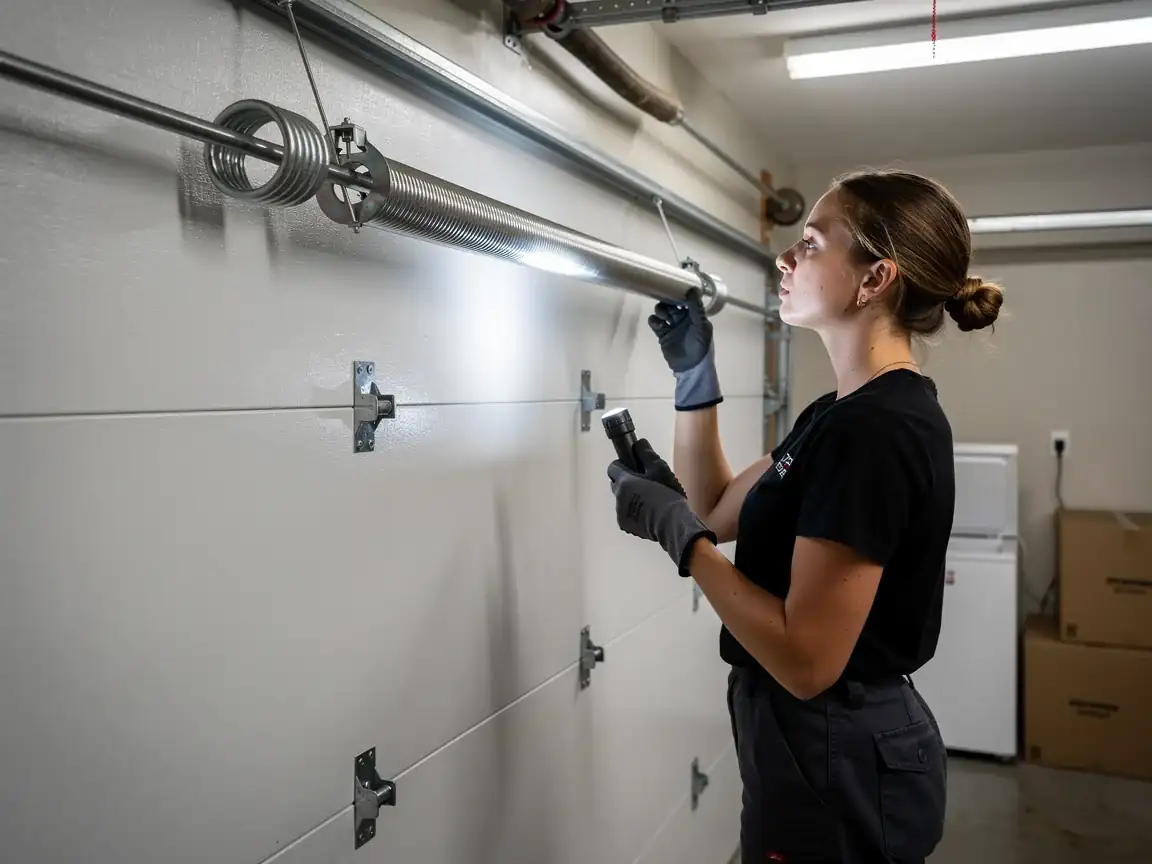
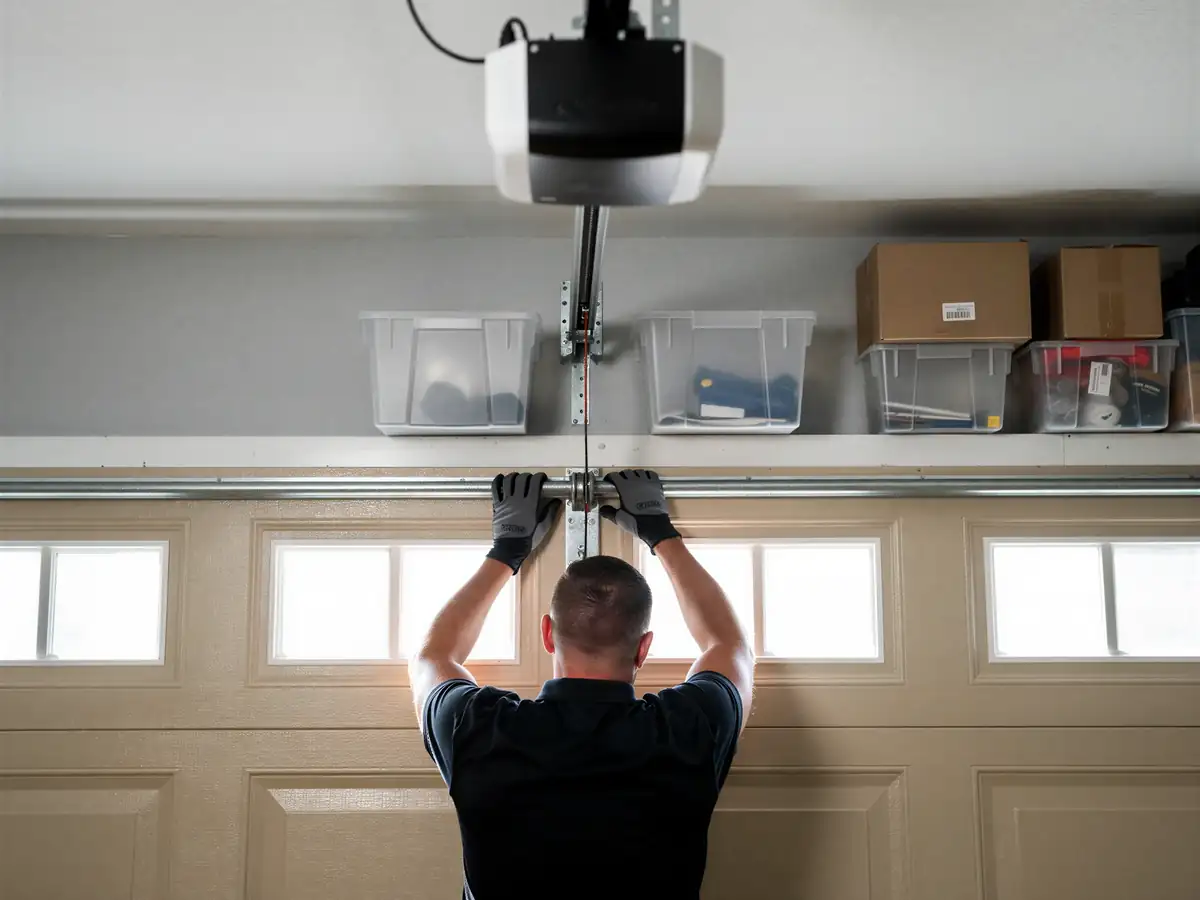
Start with the torsion spring - look for gaps in the coil, rust at the bend points, or a spring that looks stretched compared to its mate on a two-spring setup. Next, check the lift cables at the bottom bracket for fraying; a cable that's starting to go is cheaper to replace now than after it snaps under tension. Look at the weatherstrip along the bottom panel - on doors from the 1997-2008 build era, that seal has usually hardened and cracked from two decades of cold-to-hot cycling, and a bad seal lets cold air and moisture into the garage all winter. Last, listen to the opener itself: grinding, hesitation before it catches, or a motor that runs longer than it used to before the door moves are all signs the gear or board is near the end. None of these need to be replaced the moment you notice them, but each one tells you something about how much life is left, and in this climate, the gap between 'worth watching' and 'needs a call' can close fast on a cold snap.
When Waiting Is Fine
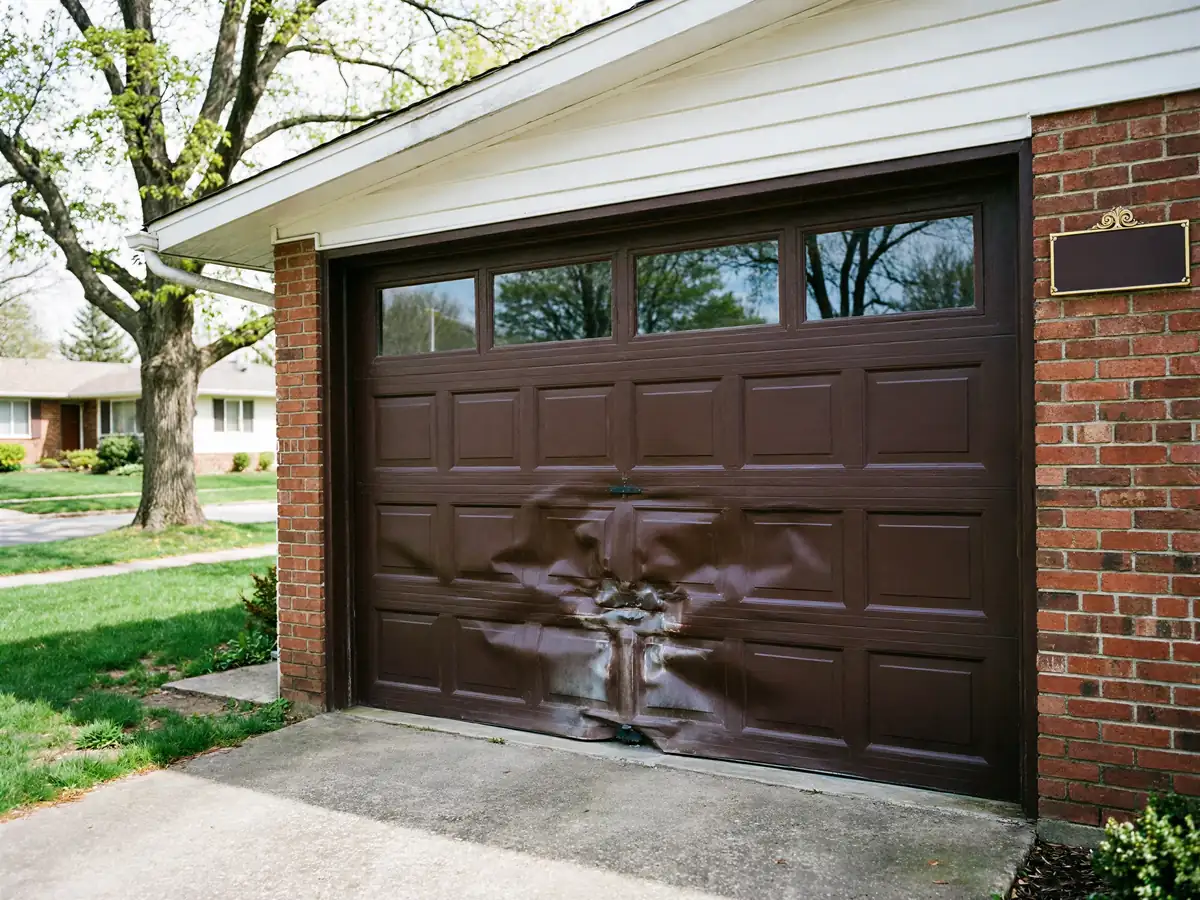
Not everything on an aging door needs an immediate call. A squeak that only shows up on the coldest mornings and goes away by afternoon is usually just stiff lubricant, not a failing part - a shot of the right lubricant often solves it without a truck visit. Cosmetic dents or faded paint on a panel don't affect how the door runs and can wait as long as you want. If the opener's remote range has gotten a little shorter, that's often a battery or a minor signal issue, not a board failure. We'll be honest that we can't always tell over the phone whether a noise is nothing or the start of something - sometimes it genuinely takes a look in person to know which. Homeowners in the same 1997-2008 housing stretch around Carmel, Fishers, Zionsville, and Westfield deal with the identical aging timeline, and in our experience the parts that matter are the ones under tension - springs and cables - not the ones that just make noise.
How it works
From “it’s stuck” to “it’s fixed”
01
Tell us what’s wrong
Describe the symptom - won’t open, loud bang, opener runs but the door won’t move.
02
On-site diagnosis
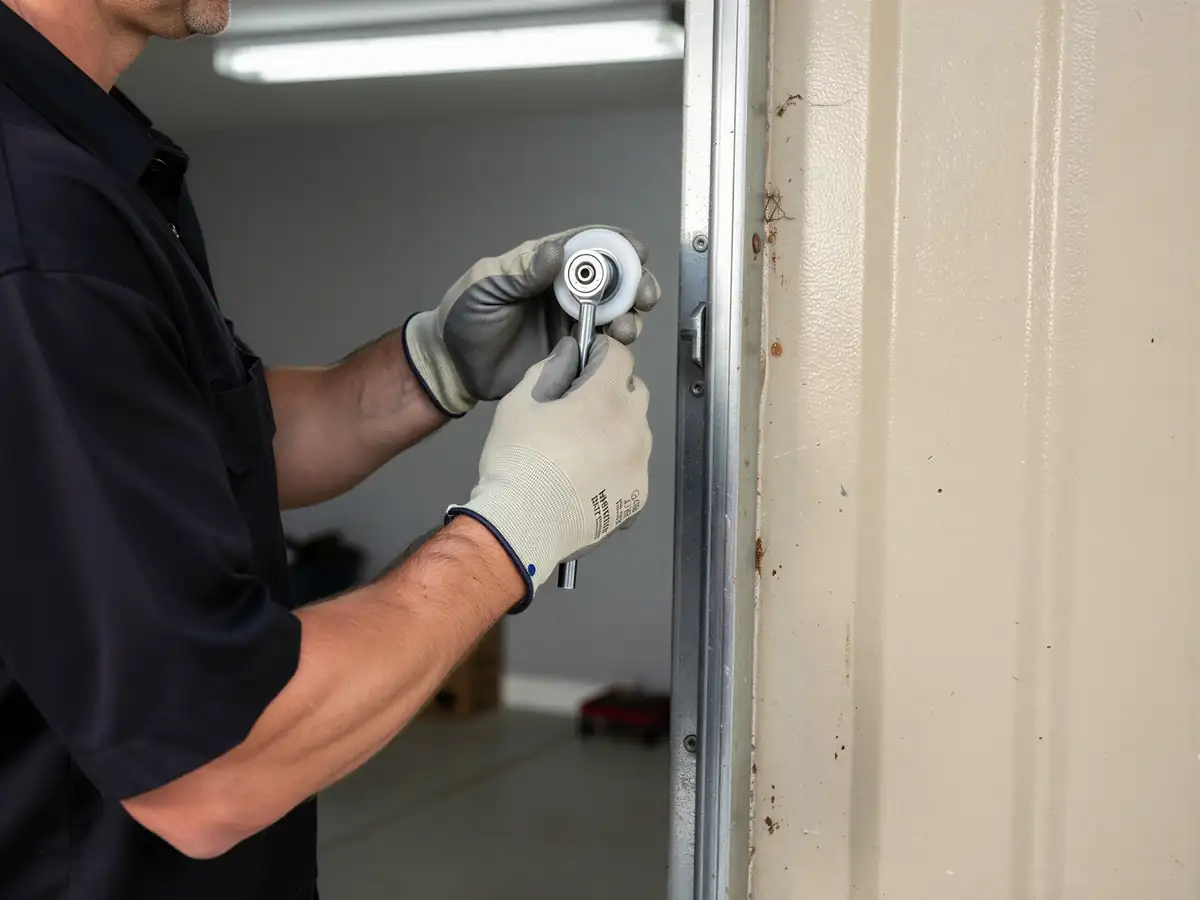
A technician tests the door under power and by hand and finds what actually failed.
03
Clear, up-front plan
You get the fix that’s needed and what drives the cost - before any work starts.
04
Repaired & tested
The repair is done, the door is set true and tested, and the work area left clean.
Not sure which repair your door needs in Indianapolis, IN? Describe what it’s doing - every job starts with a diagnosis.
Straight answers about garage door repair in Indianapolis. Still unsure? Ask us directly.
Why do garage door springs break more in winter here?
Steel springs lose some flexibility in severe cold, and Indianapolis winters sit in that severe band. A spring that's already near the end of its cycle life from age often lets go on a cold morning rather than a mild one, because the cold adds stress the spring doesn't have the give left to absorb.
My house was built in the early 2000s - is the opener original?
It's common. A lot of homes in the area date from 1997 to 2008, and many still run their original opener. Chain-drive units from that window are now twenty-plus years old, which is near or past the point most logic boards and gears start to fail.
Do I need to replace the spring and opener at the same time?
Not necessarily - they fail independently more often than together. But if your house is in that 1997-2008 build range and one has already gone, it's worth having both checked on the same visit rather than waiting for the second one to fail separately.
Is a noisy door always a sign of a bigger problem?
No. Cold-weather stiffness in the rollers or lubricant often causes noise with nothing actually failing. It's one of the few things in this list that's genuinely fine to wait on, though if the noise comes with grinding or hesitation at the opener, that's worth a closer look.