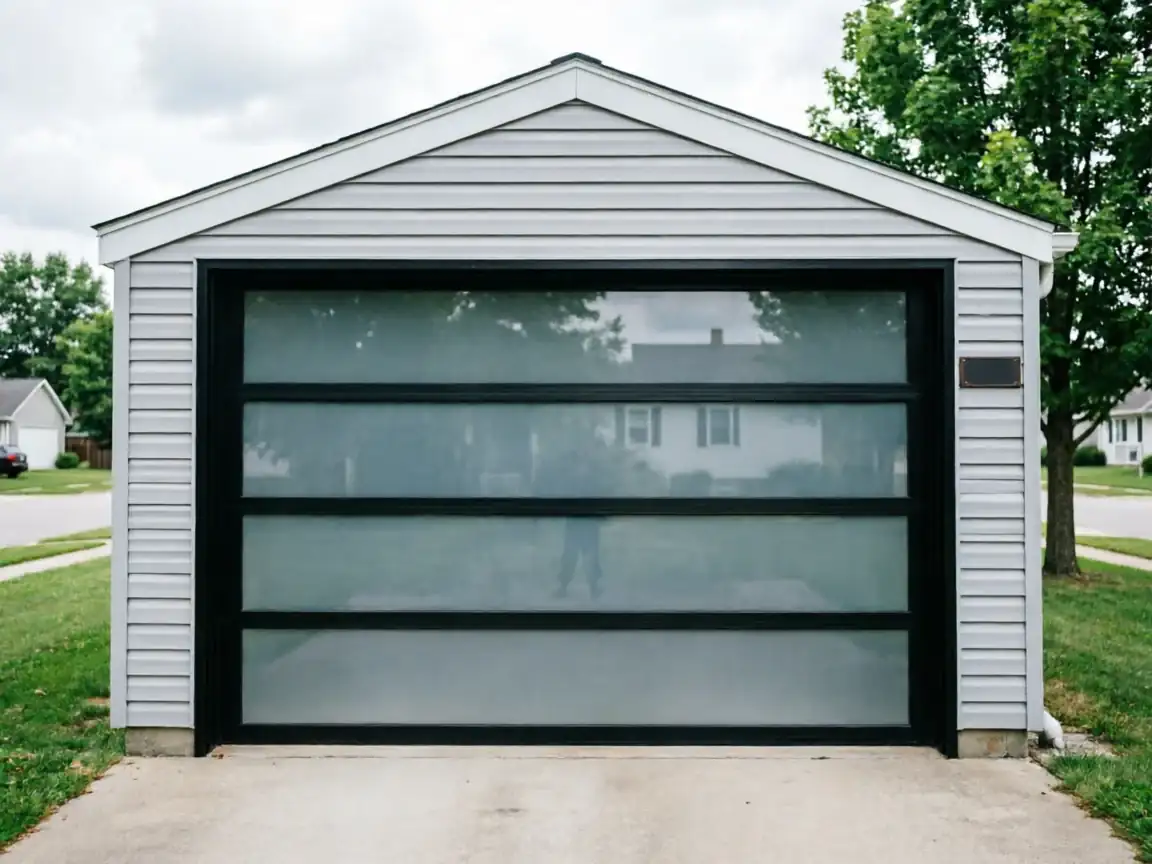
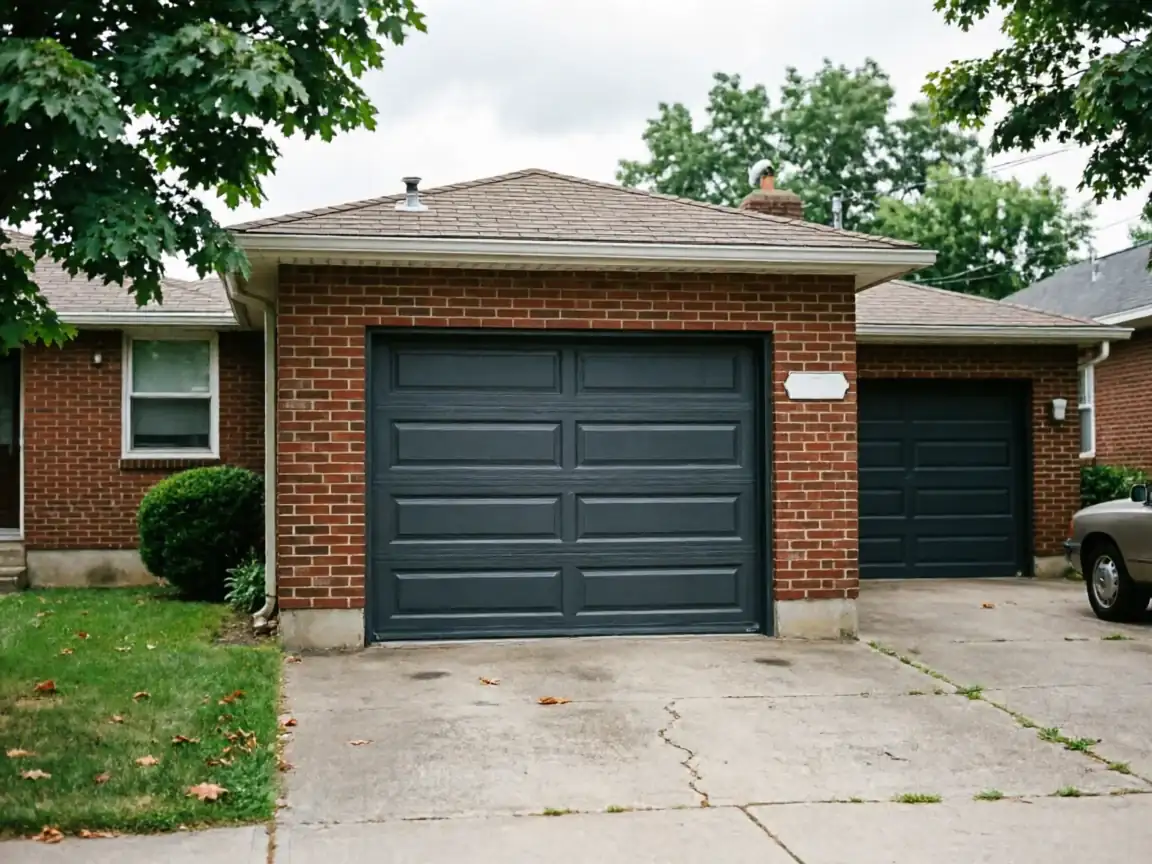
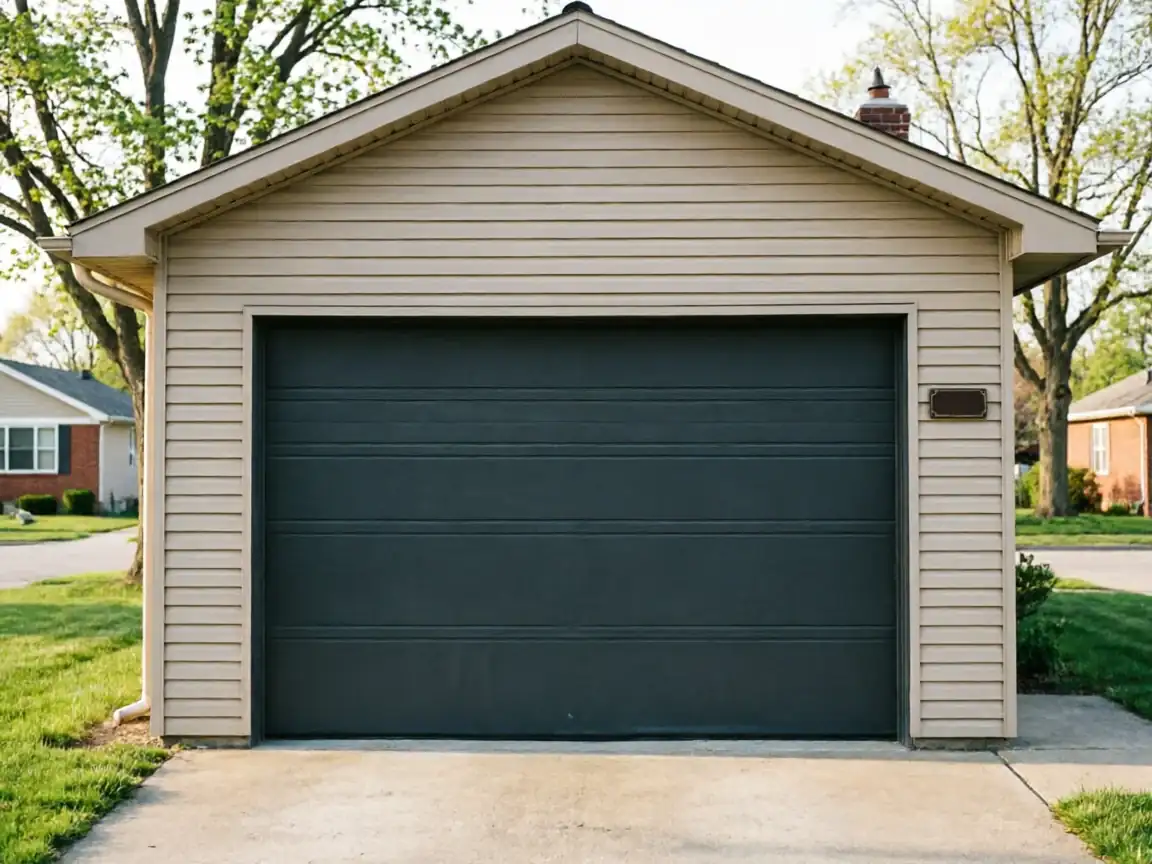
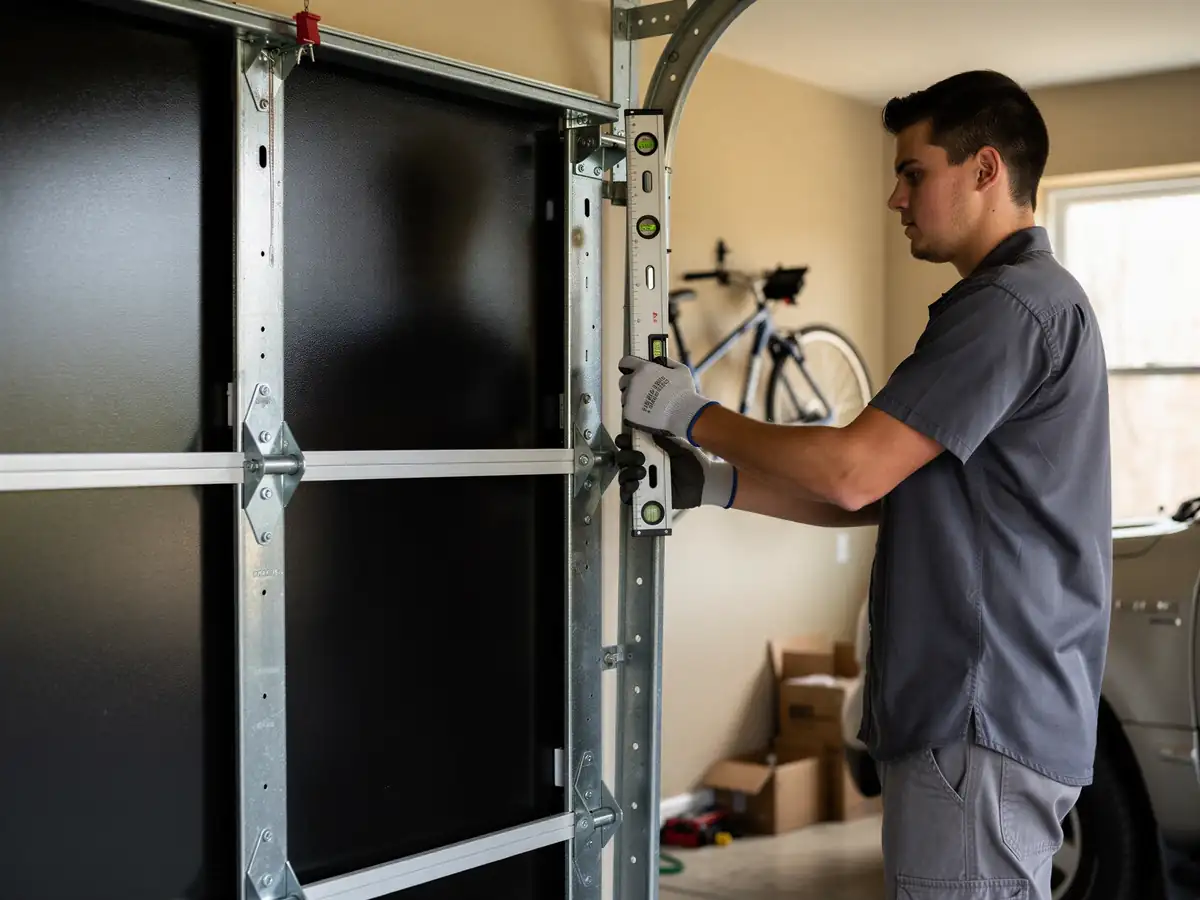
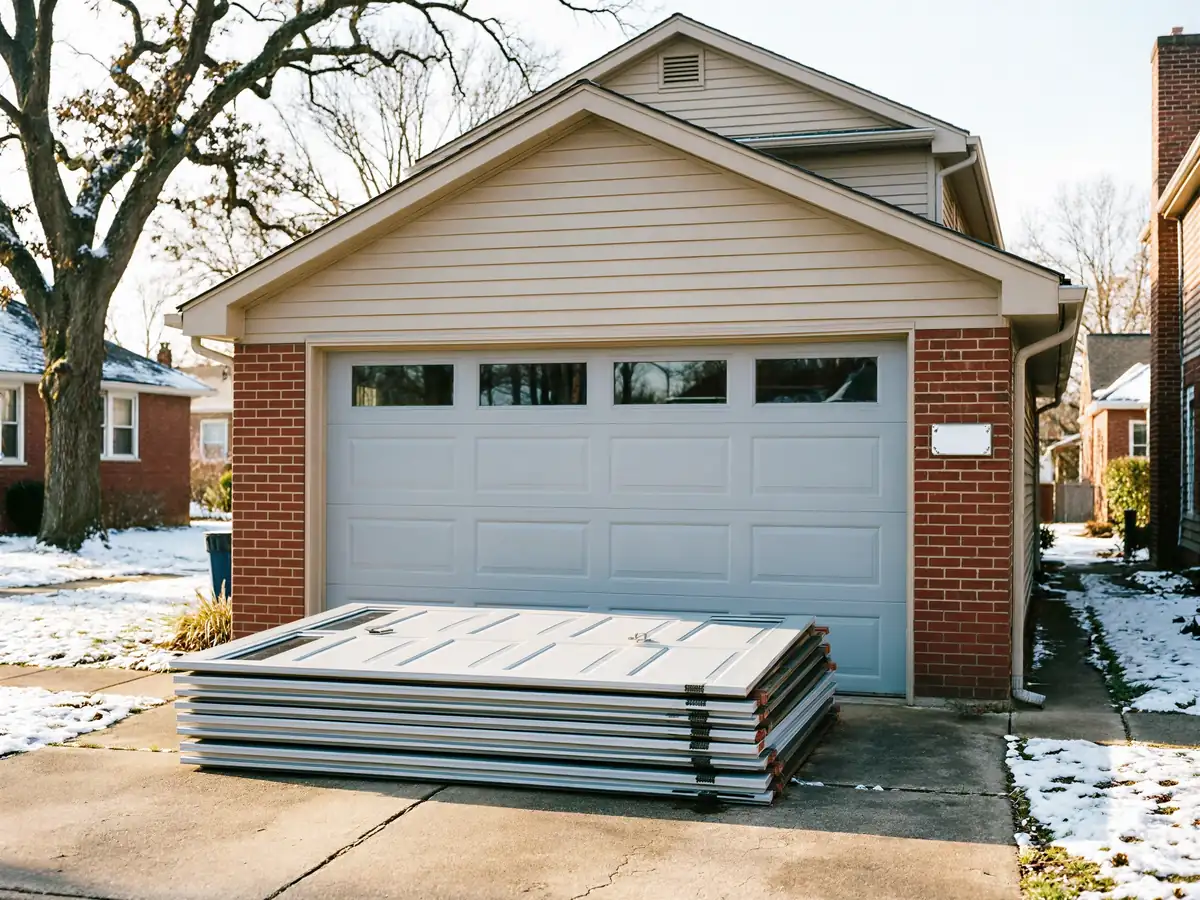
We can't give you a number here because an emergency call covers too much ground - a snapped torsion spring is a different job than a cable off a drum, and a dead opener board is different again. What we can tell you is what drives the price on most calls in this area: parts availability for the door you've got, whether it's a single spring or a double, and whether the opener itself needs replacing or just a sensor realigned. Median household income across the service area runs around $131,371, and most of what we quote lands in a range that reflects a working door getting fixed right, not patched. We don't price blind over the phone - someone looks at the spring size, the track, the opener model before we say a number, because guessing low and then surprising you at the door is worse than taking the extra two minutes up front. If a job turns out to be a full door replacement rather than a repair, we'll say so before we start, not after the old one is in pieces on your driveway.
Getting It Booked In
Tell us what the door is actually doing - won't open, opens partway and stops, makes a bang and sits crooked on the track - and we'll get a sense of whether it's a same-day problem or one that can wait a day. A door stuck shut with a car trapped inside, or one hanging on a single cable, jumps the line. A noisy opener that still raises and lowers the door usually doesn't, even though it feels urgent at 6 a.m. on your way to work. We ask for the door's age and whether you know if it's original to the house, because across this area so much of the stock went up in the late 1990s and 2000s, and that tells us roughly what hardware we're walking into before the truck leaves. Once we're on site, if the fix is straightforward - spring, cable, roller, sensor - it's usually done in the same visit. If a part has to be ordered for an older or less common opener, we'll tell you that on the spot rather than let you wait around for a truck that can't finish the job.
Why It Happens Here
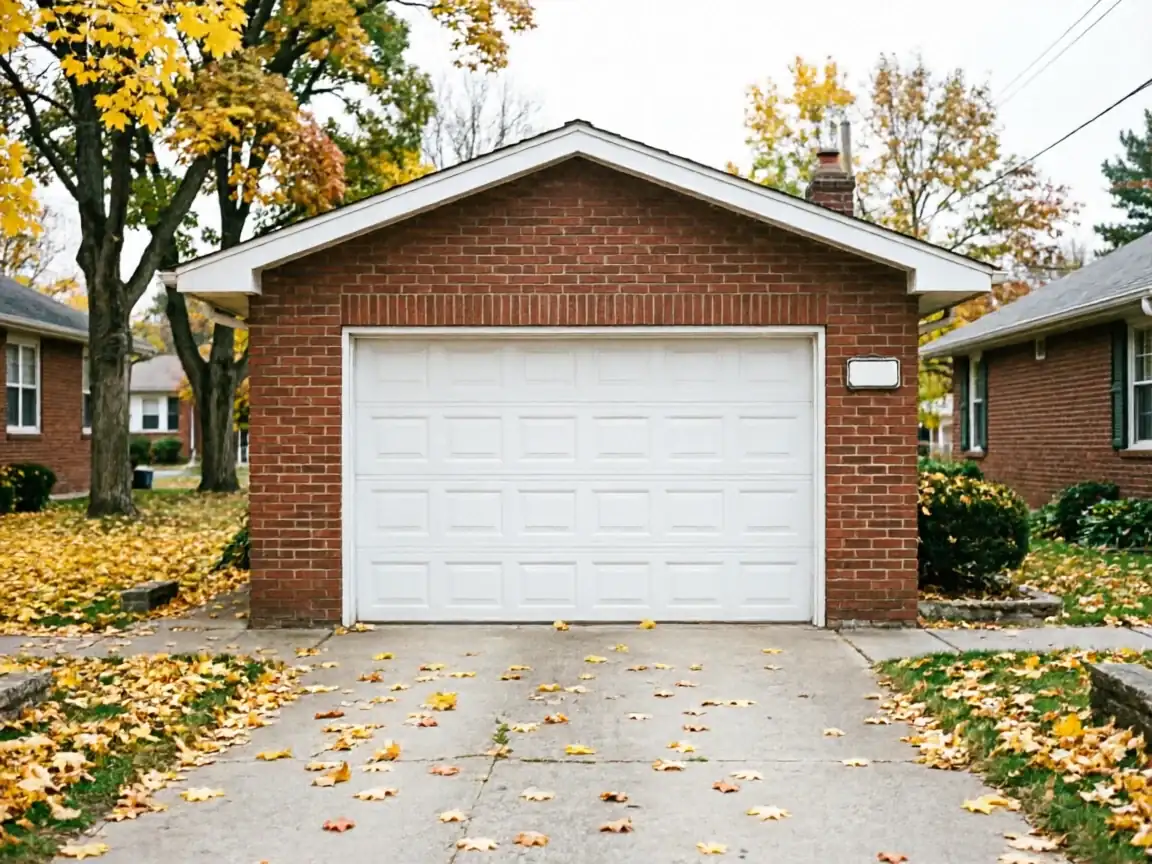
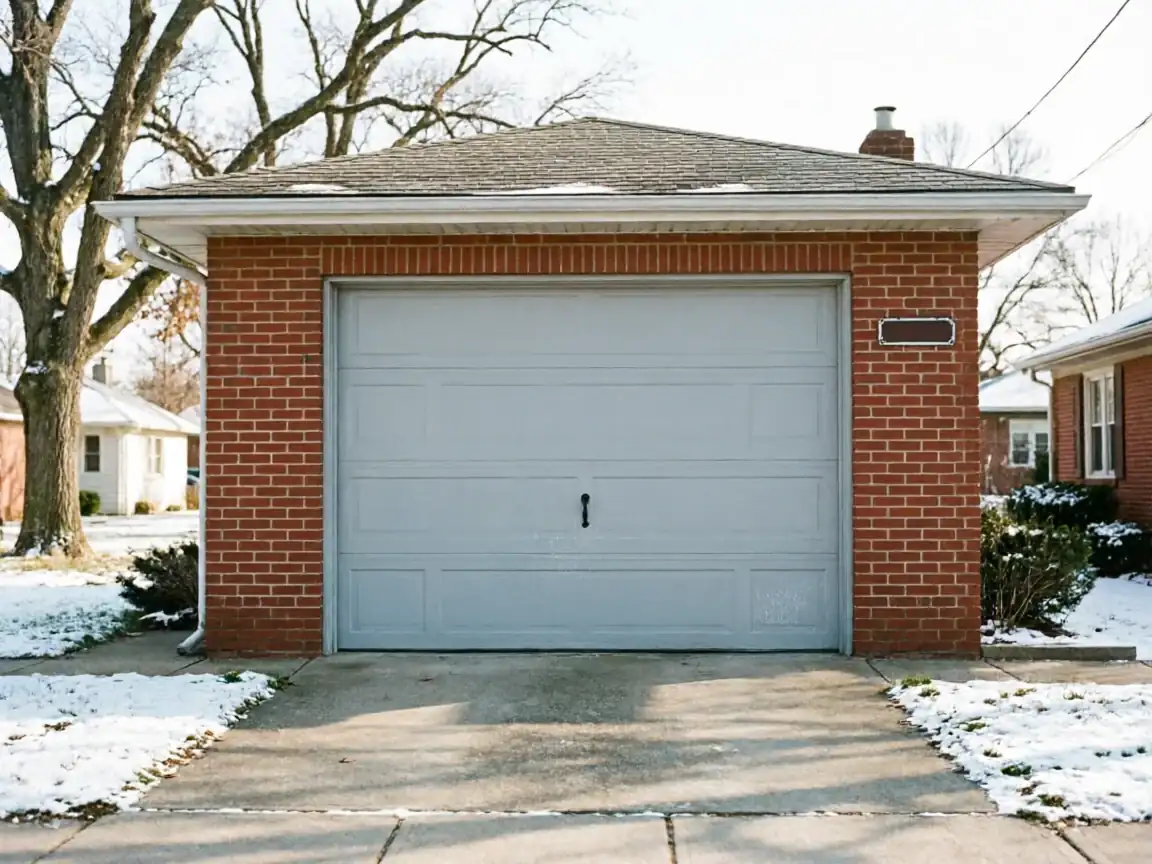
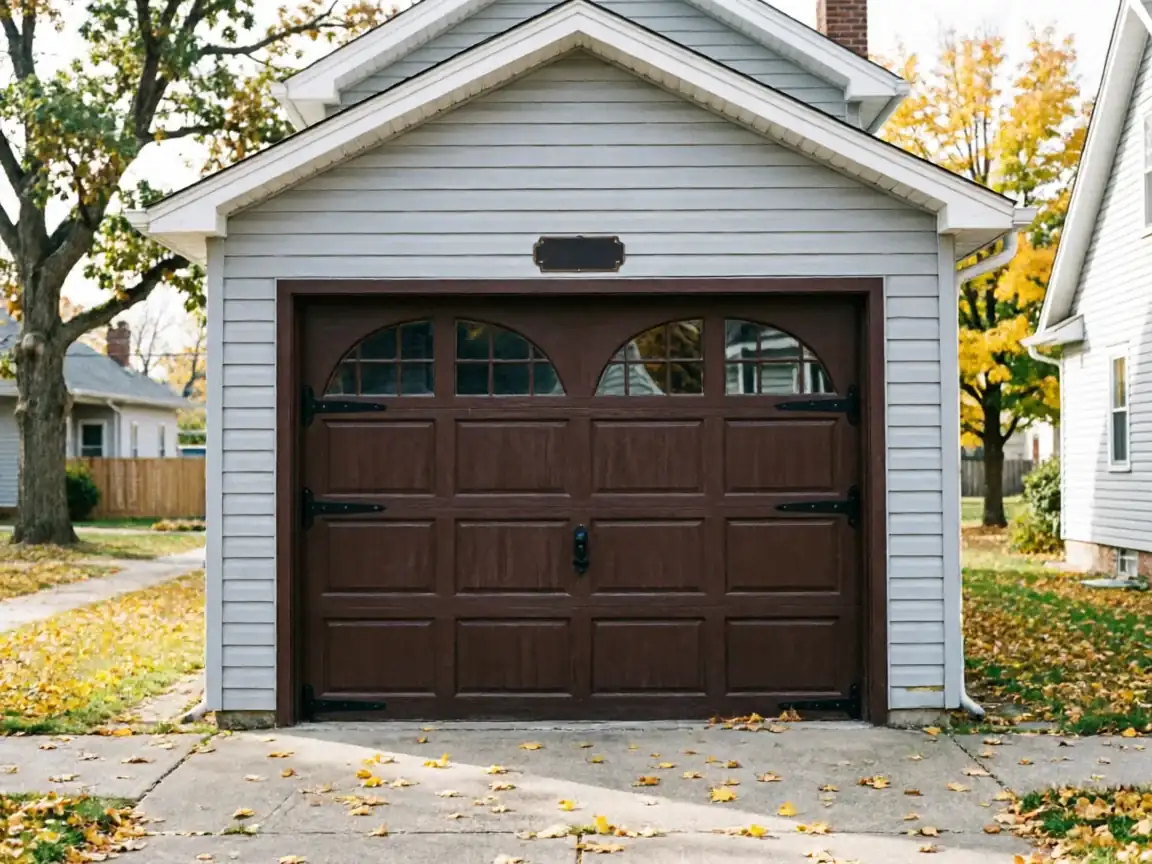
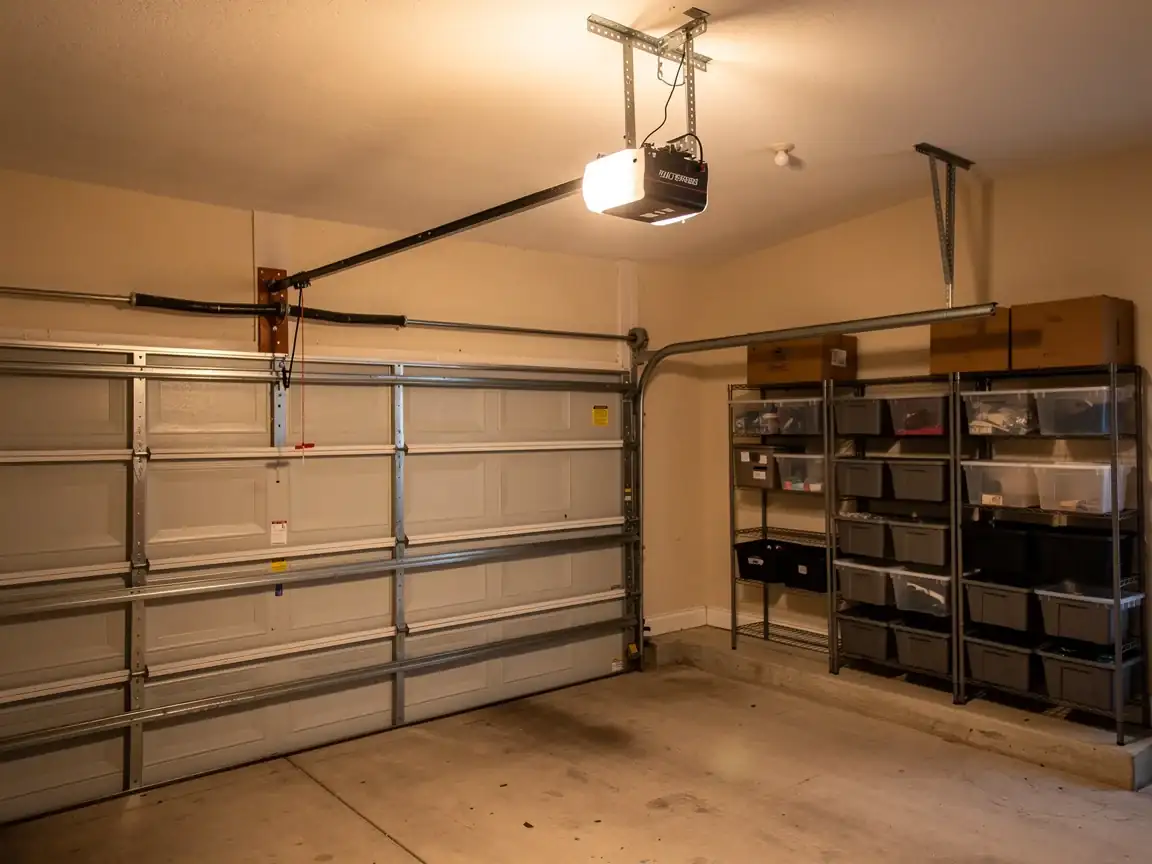
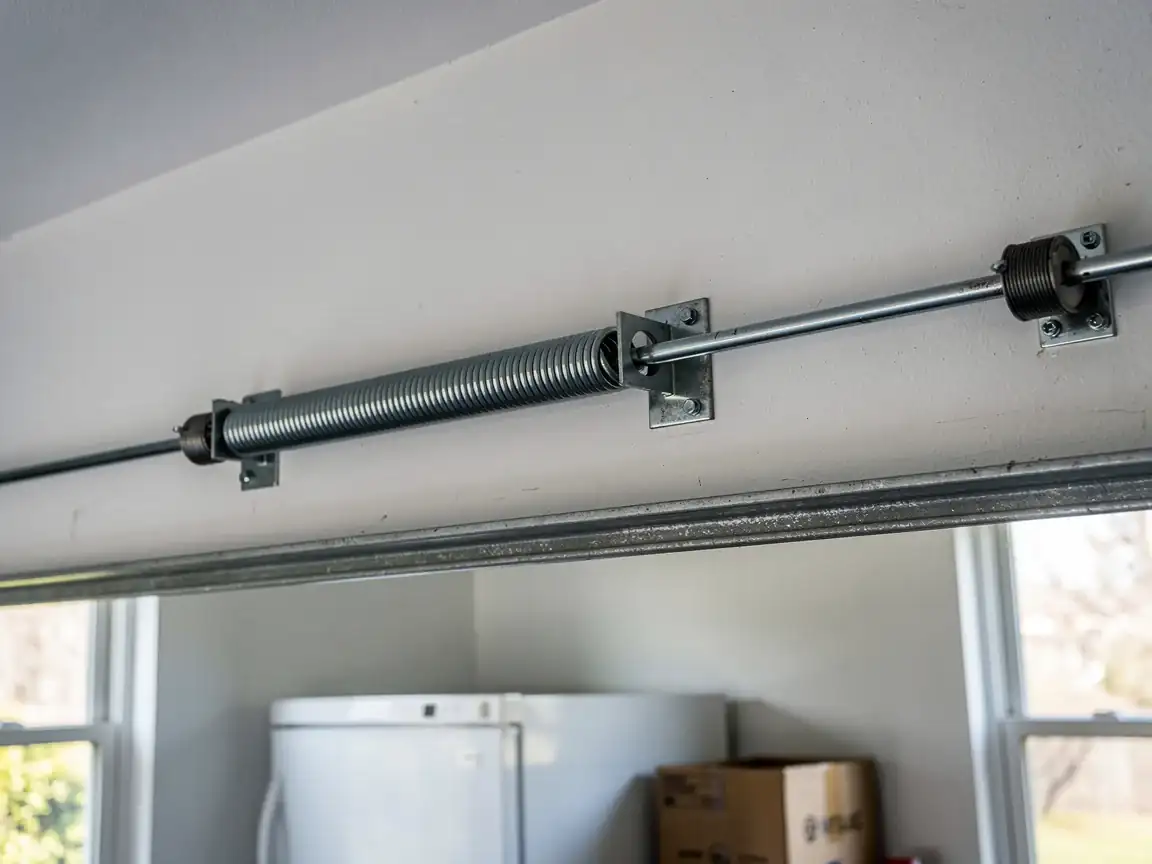
Most of the garage doors we open up in this area were installed between 1997 and 2008, which puts the bulk of the housing stock right in the window when standard torsion springs and chain-drive openers from that era were the default builder-grade install. Those parts have a service life, and a couple of decades of cold-season use is exactly what wears a spring down to its last few cycles before it lets go. This area sits in a climate band the federal data marks as severe cold, and steel behaves differently at 15 degrees than it does at 70 - springs lose a little tension, metal contracts, and a door that was marginal in October can fail outright on the first hard freeze. Add in the fact that most of the territory we cover is made up of four areas where the housing is overwhelmingly 2000s-built stock, and you get a predictable pattern: a wave of spring failures and opener burnout every winter, concentrated in houses that are now old enough for original hardware to be running on borrowed time. It's not bad luck. It's the age of the door meeting the weather.
What You Are Seeing
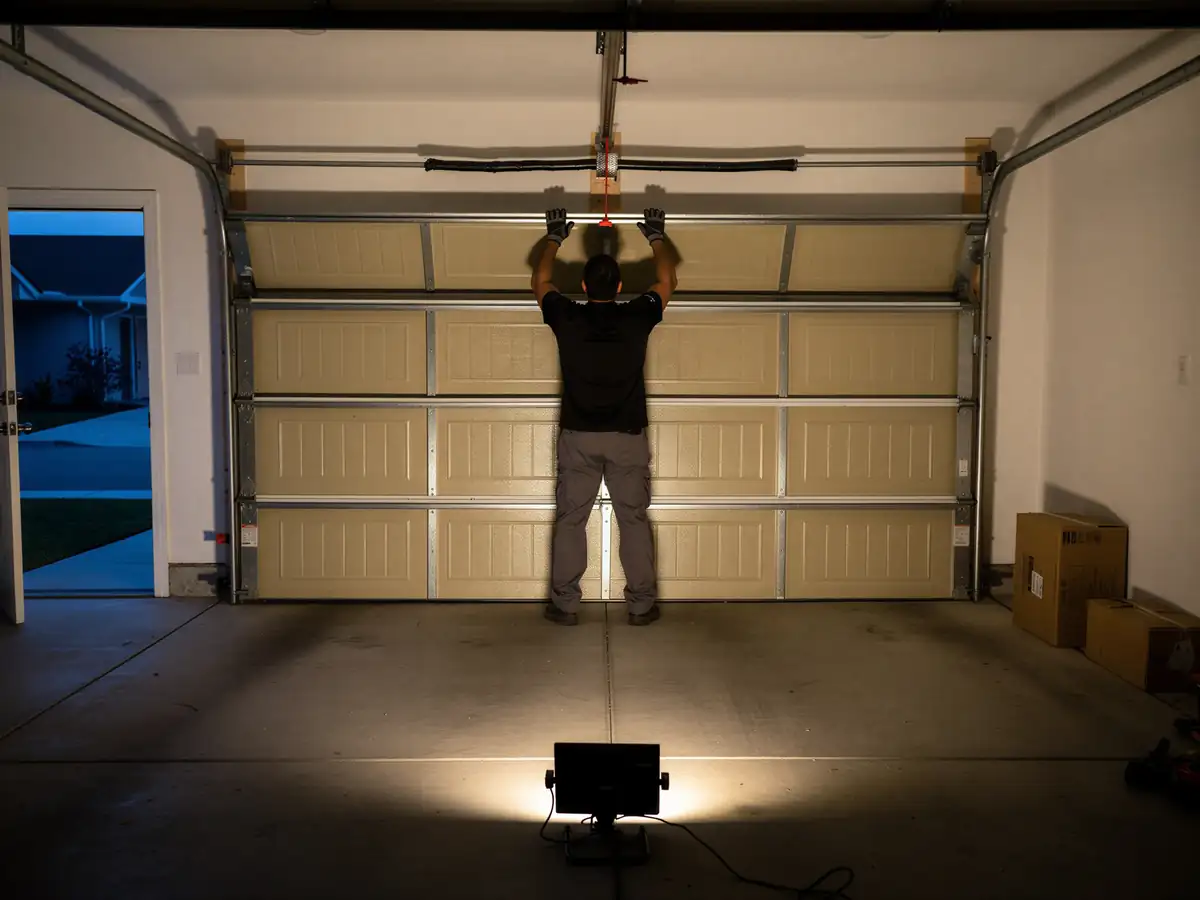
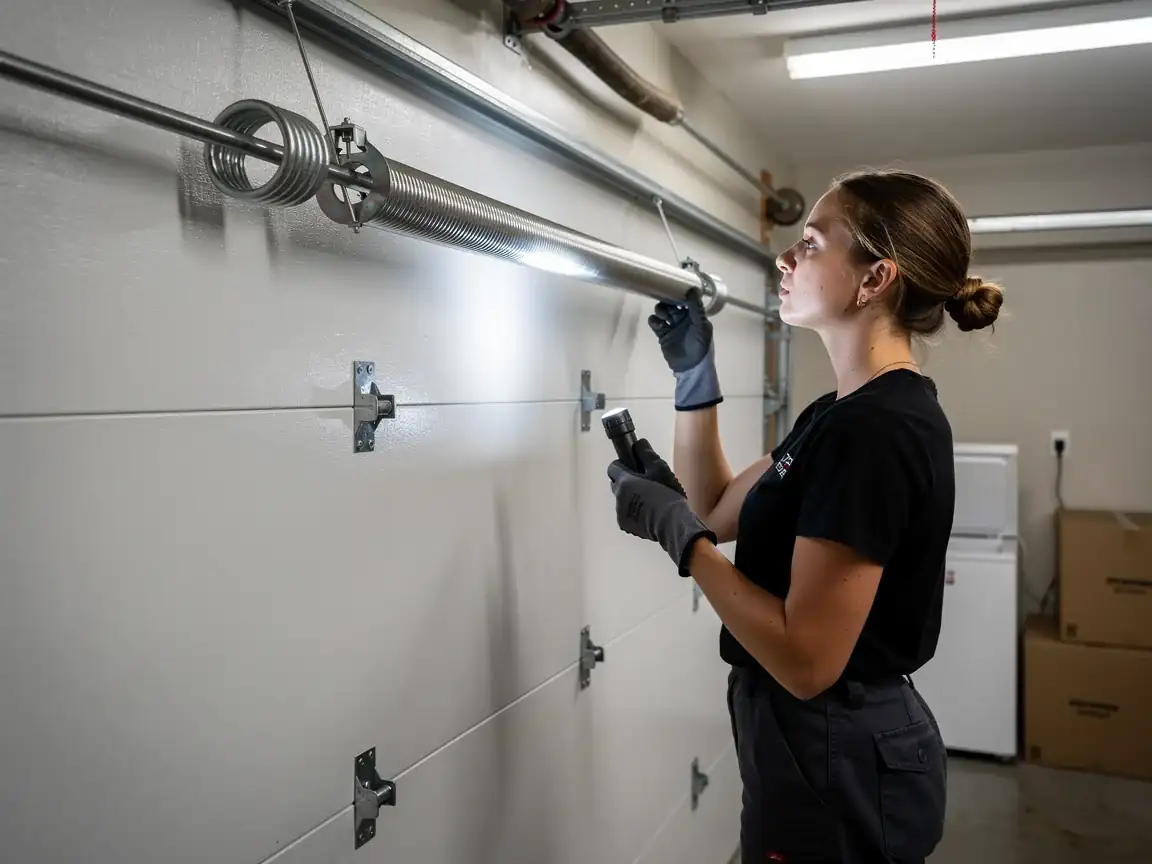
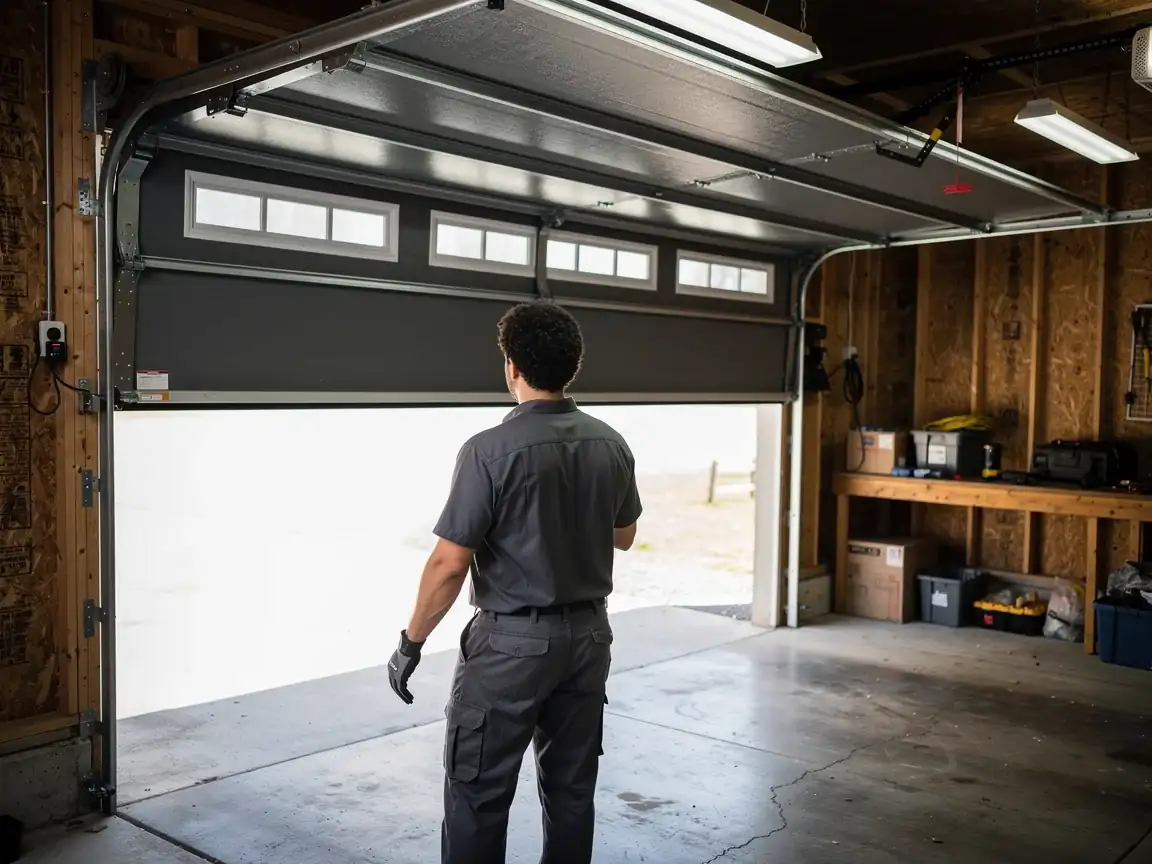
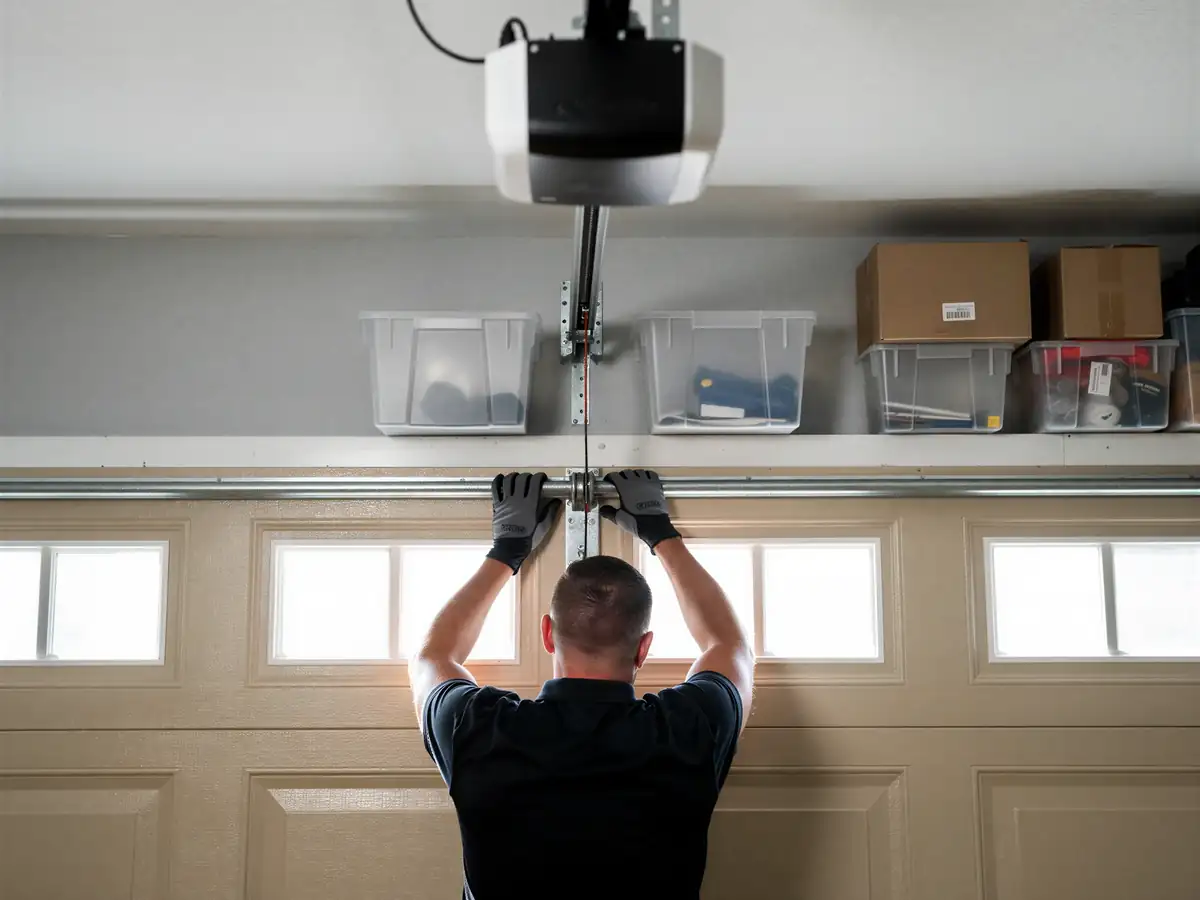
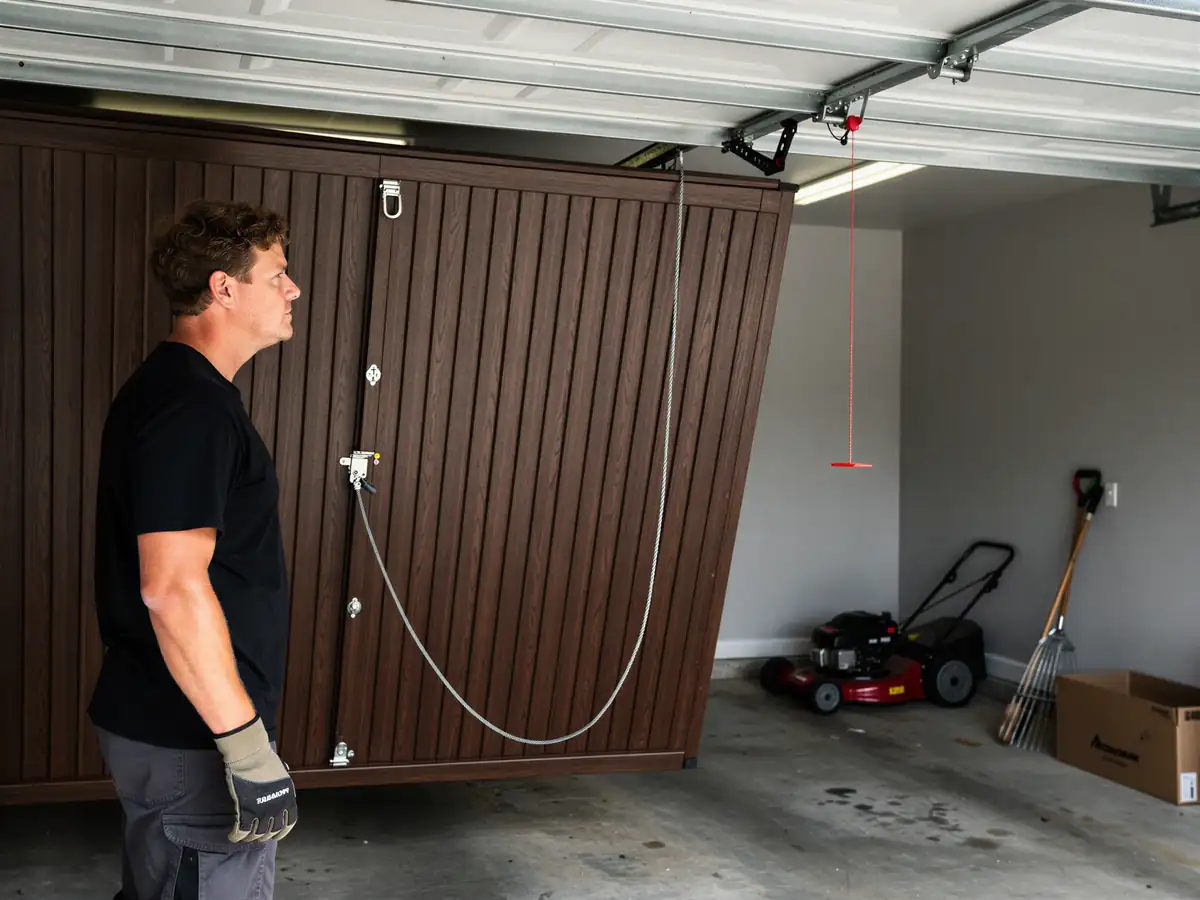
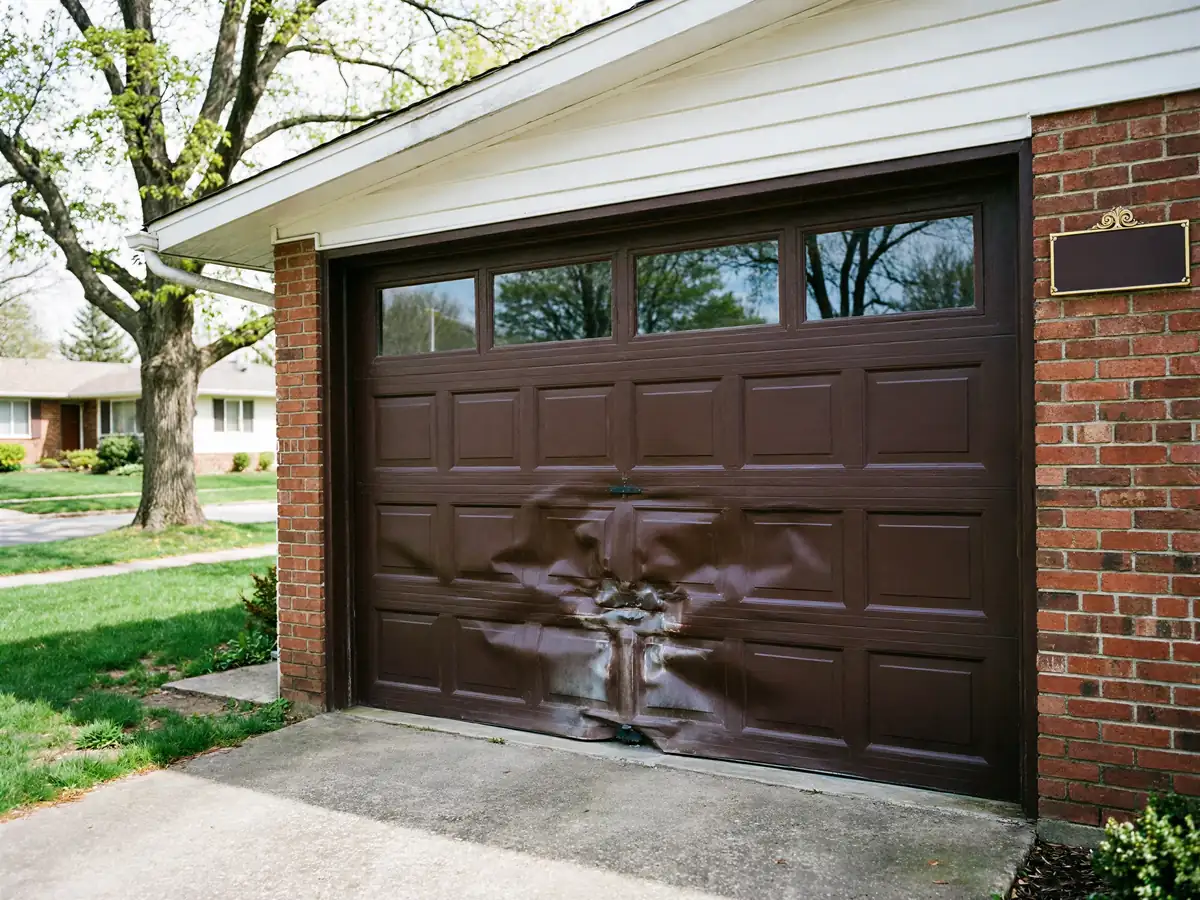
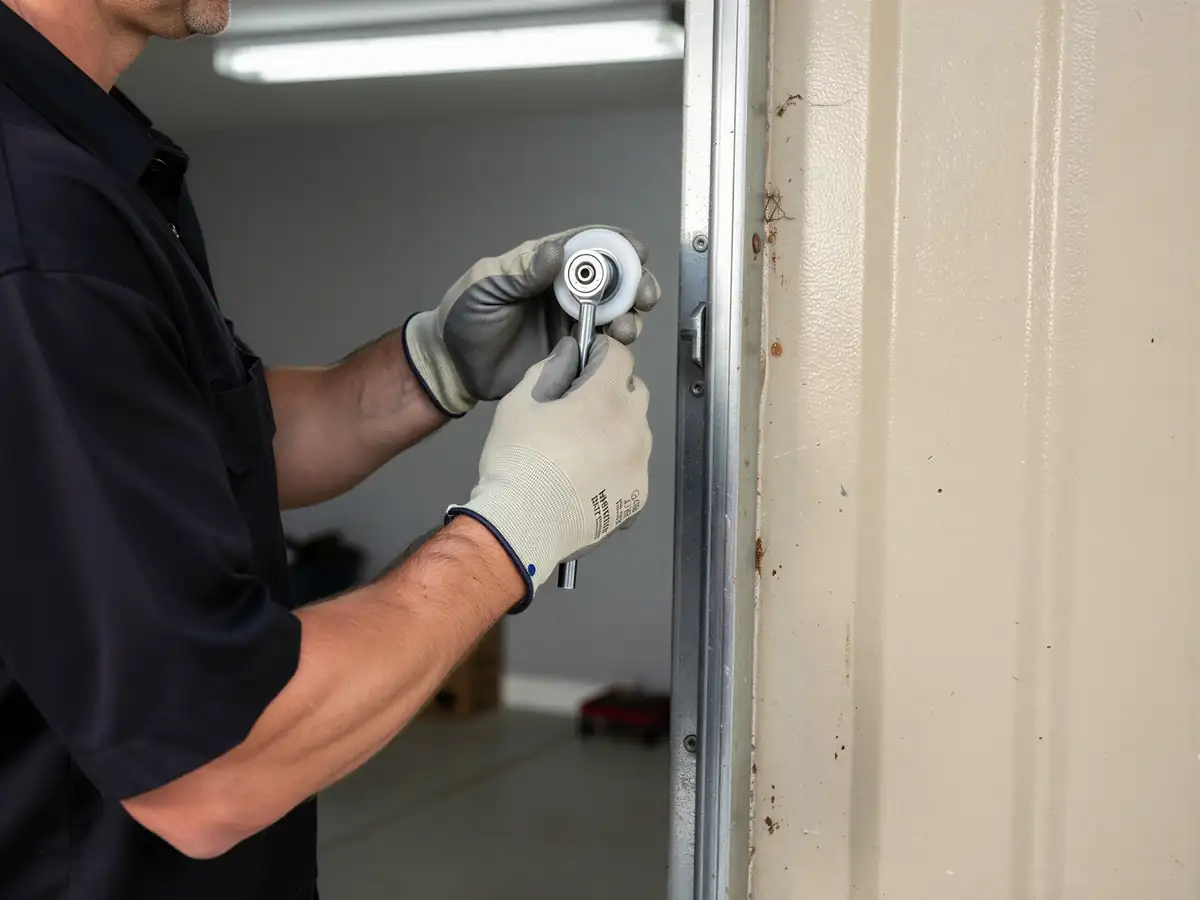
A door that won't budge and a spring visibly separated above the top panel means the spring broke - don't try to force the opener, you'll burn out the motor on a door with no spring tension to help it. A door that's crooked, hanging lower on one side, usually means a cable has slipped or snapped off a drum. If the opener runs but the door doesn't move, check the manual release cord first - sometimes it's been pulled and never reset, which isn't an emergency at all. A door that reverses right after it touches the ground is almost always a misaligned or dirty photo-eye sensor, a five-minute fix more often than not. Grinding or popping from the top of the door as it moves is a roller or hinge going, which is worth a call before it strands the door mid-track. Across the roughly 105,616 households and 79,903 owner-occupied houses in this service area, these are the calls we get on repeat - spring, cable, sensor, roller - and almost none of them require a whole new door.
How it works
From “it’s stuck” to “it’s fixed”
01
Tell us what’s wrong
Describe the symptom - won’t open, loud bang, opener runs but the door won’t move.
02
On-site diagnosis
A technician tests the door under power and by hand and finds what actually failed.
03
Clear, up-front plan
You get the fix that’s needed and what drives the cost - before any work starts.
04
Repaired & tested
The repair is done, the door is set true and tested, and the work area left clean.
Not sure which repair your door needs in Indianapolis, IN? Describe what it’s doing - every job starts with a diagnosis.
Straight answers about garage door repair in Indianapolis. Still unsure? Ask us directly.
How fast can you get to an emergency garage door call in Indianapolis?
It depends on where you are in the service area and what else is on the board that day, but a trapped car or a door stuck open overnight gets priority over a cosmetic noise complaint. Call and describe exactly what the door is doing - that's what determines how soon we can get a truck to you.
Why did my spring break in the middle of winter and not before?
Cold steel loses a little flex and torsion springs lose tension as temperatures drop, so a spring that was already near the end of its cycle life often lets go on the first hard freeze rather than during a mild month. It's wear meeting weather, not a random failure.
Is it worth repairing an opener from a door installed in the late 1990s or 2000s?
Often yes - if the motor and board are sound, a sensor or gear replacement is cheaper than a new unit. But if the opener itself is original to a house built in that window, parts can be harder to source, and at some point replacement makes more sense than chasing failing components one at a time.
Do you serve areas outside Indianapolis itself?
We cover the surrounding area including Carmel, Fishers, Zionsville, and Westfield. Each of those has its own page with details specific to that town; this page covers the emergency repair service across the whole area we work in.