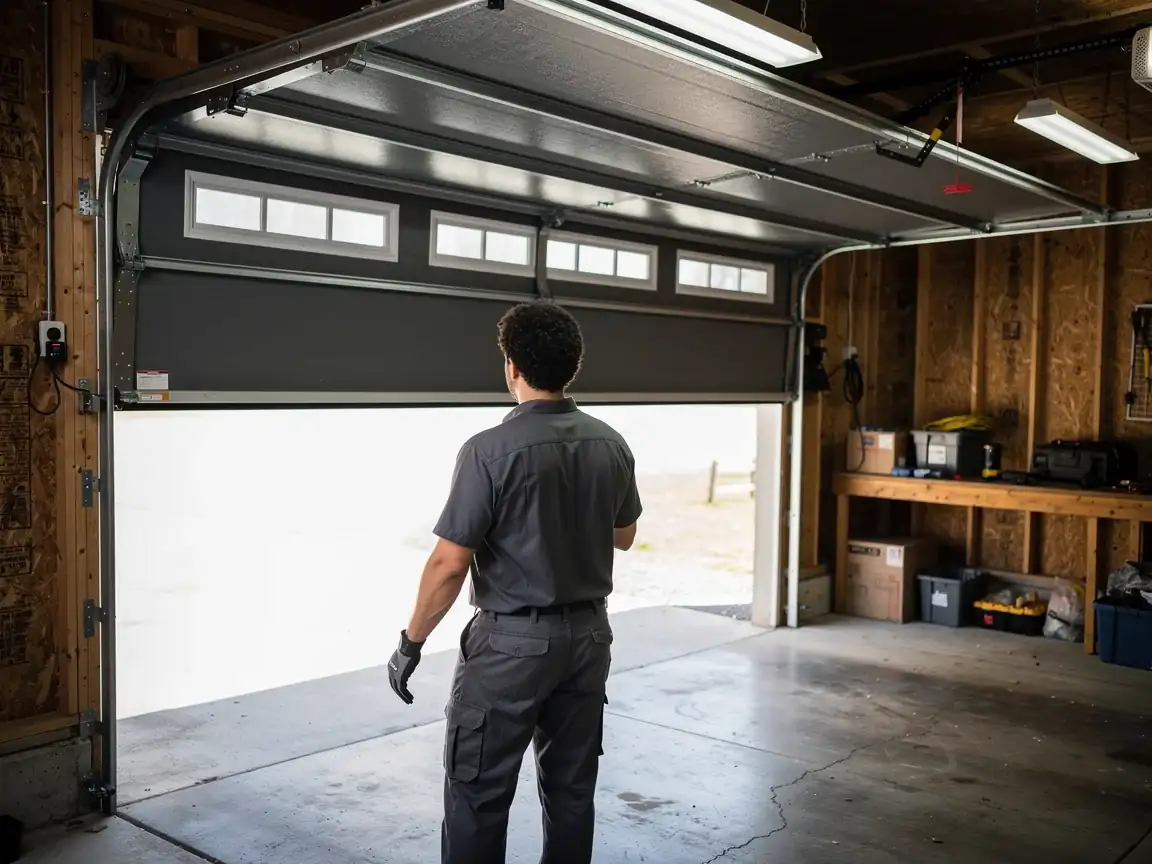
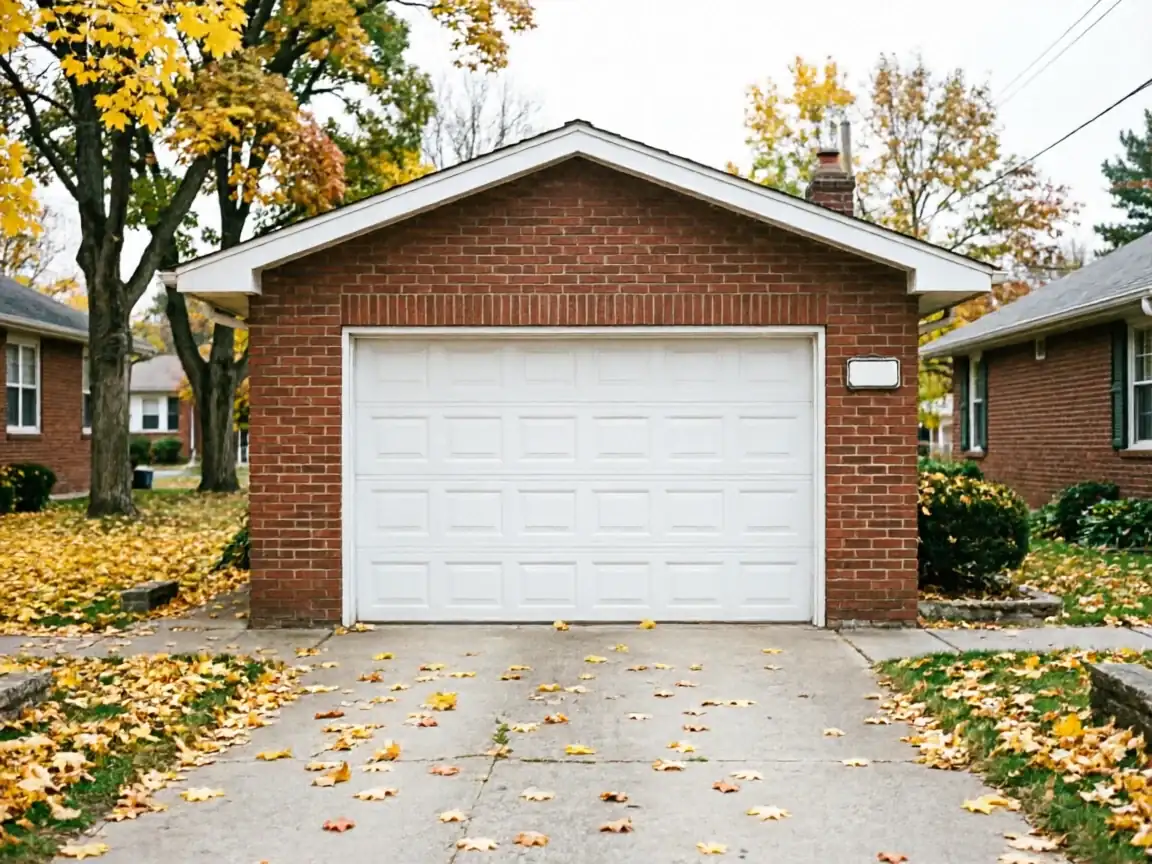
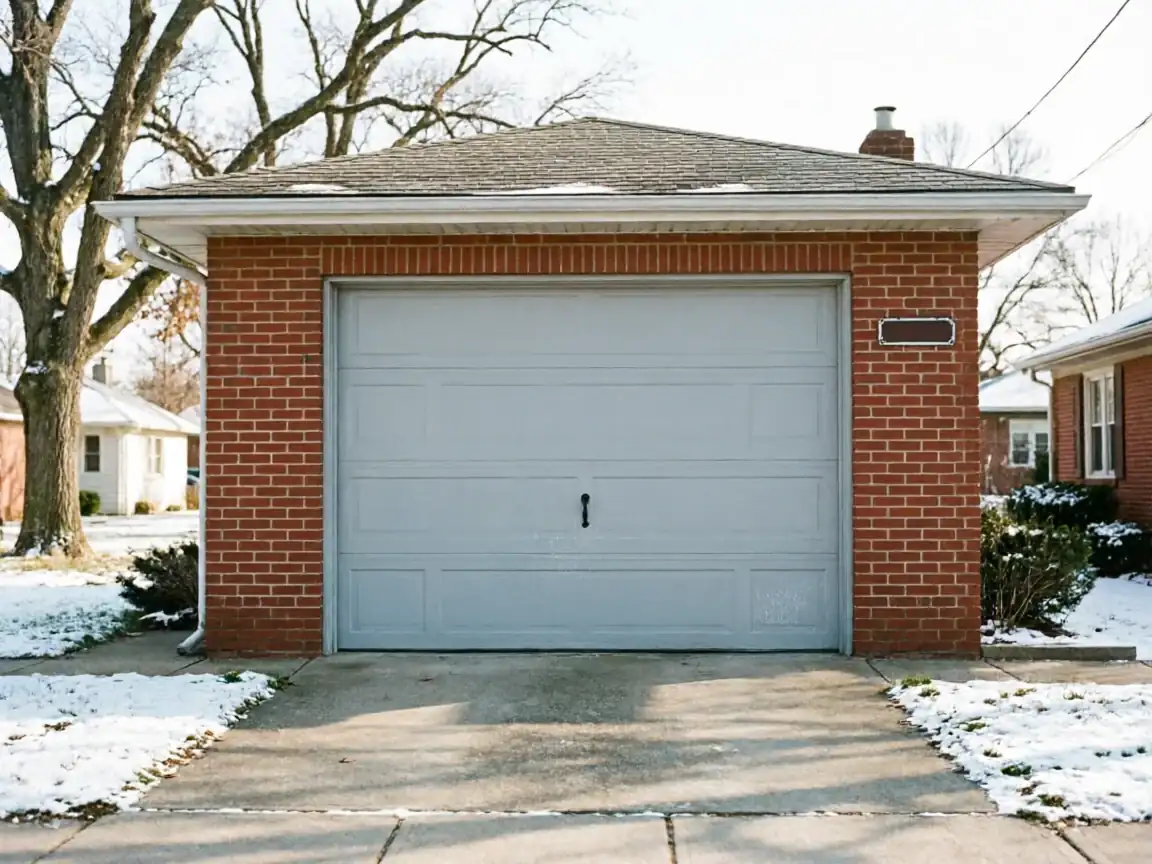
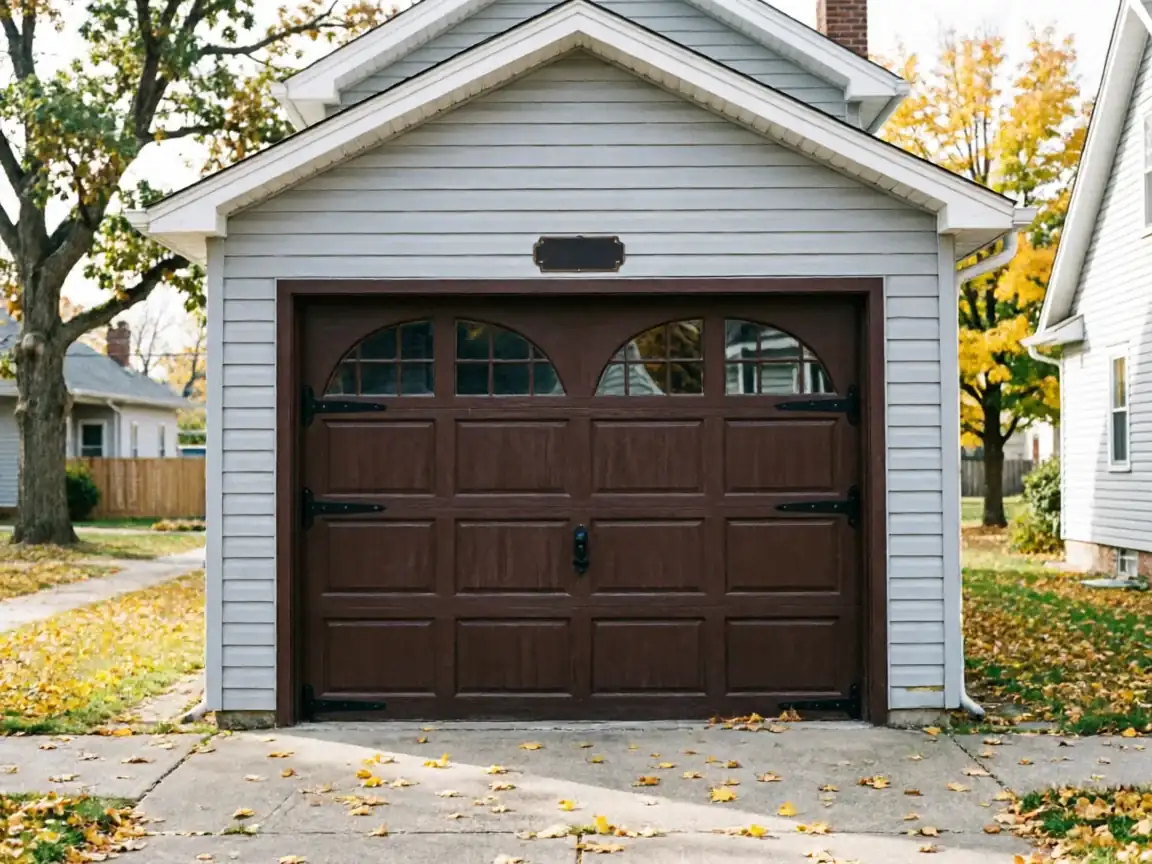
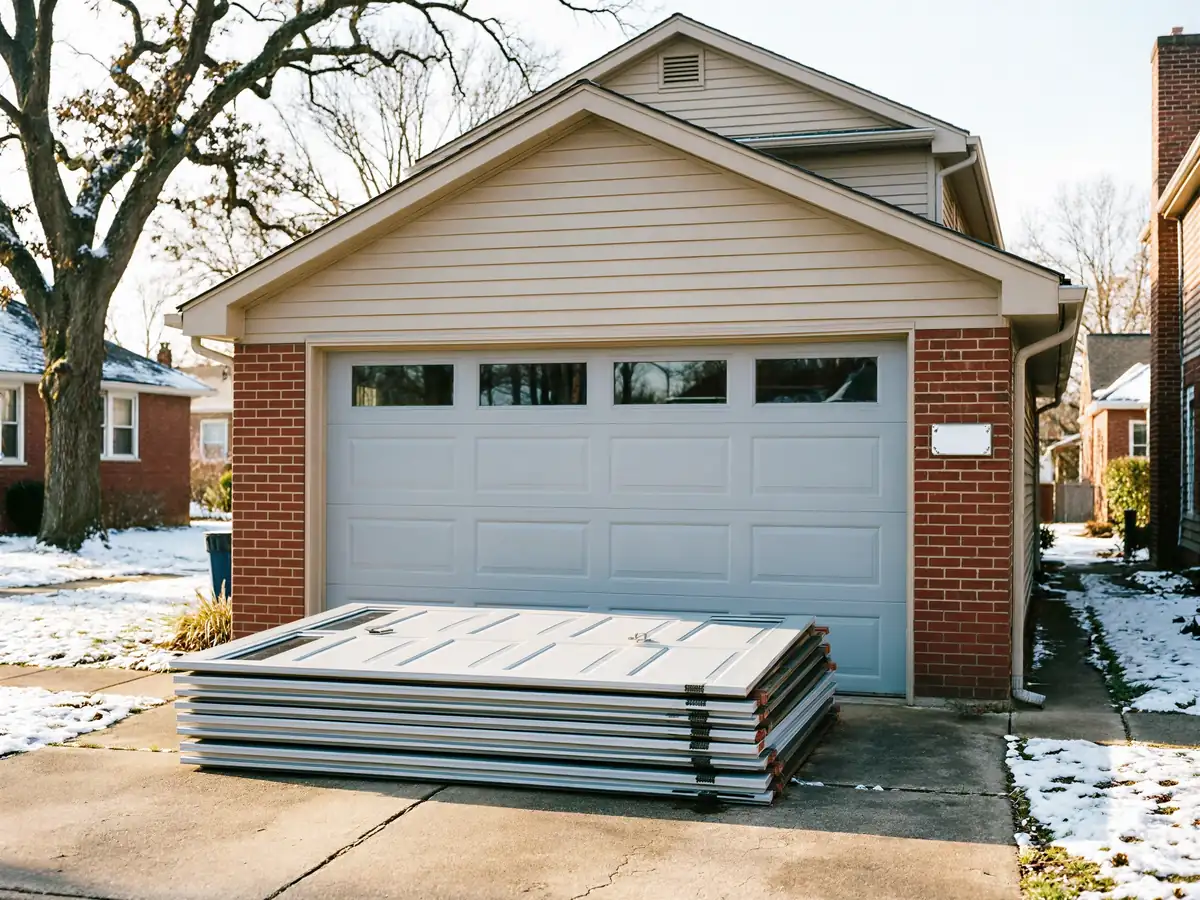
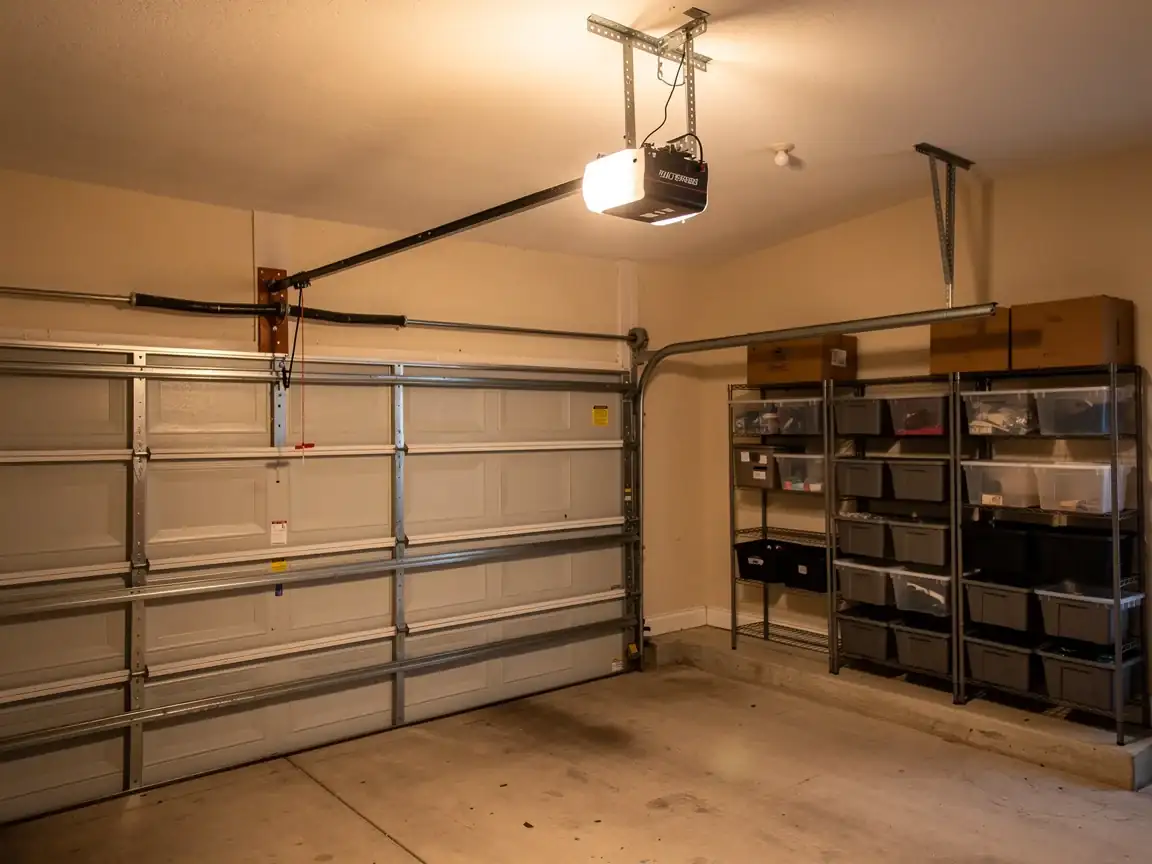
Garage door service for Indianapolis homes built mostly 1997-2008, where builder-grade springs and openers are hitting the end of their life in a cold-winter climate.
What a service call runs depends on what's actually wrong, and we won't quote a number before we've seen the door. A loose track bracket is a different job than a seized bearing, and a opener that's just out of adjustment is nothing like one with a stripped gear. What we can tell you is what drives the cost up in this area specifically: most Indianapolis houses in our service area were built between 1997 and 2008, which means a lot of doors are running original builder-grade hardware that's now 15 to 25 years old. That's past the point where a single part swap fixes things for good - springs, cables, and rollers on a door that age tend to fail in a cluster, not one at a time. We'll tell you straight if you're looking at a repair that buys you another year or two versus a door that's done. If the opener and the spring system are both original to a 2001 build, replacing one and leaving the other is often money you'll spend twice.;
Getting It Booked In
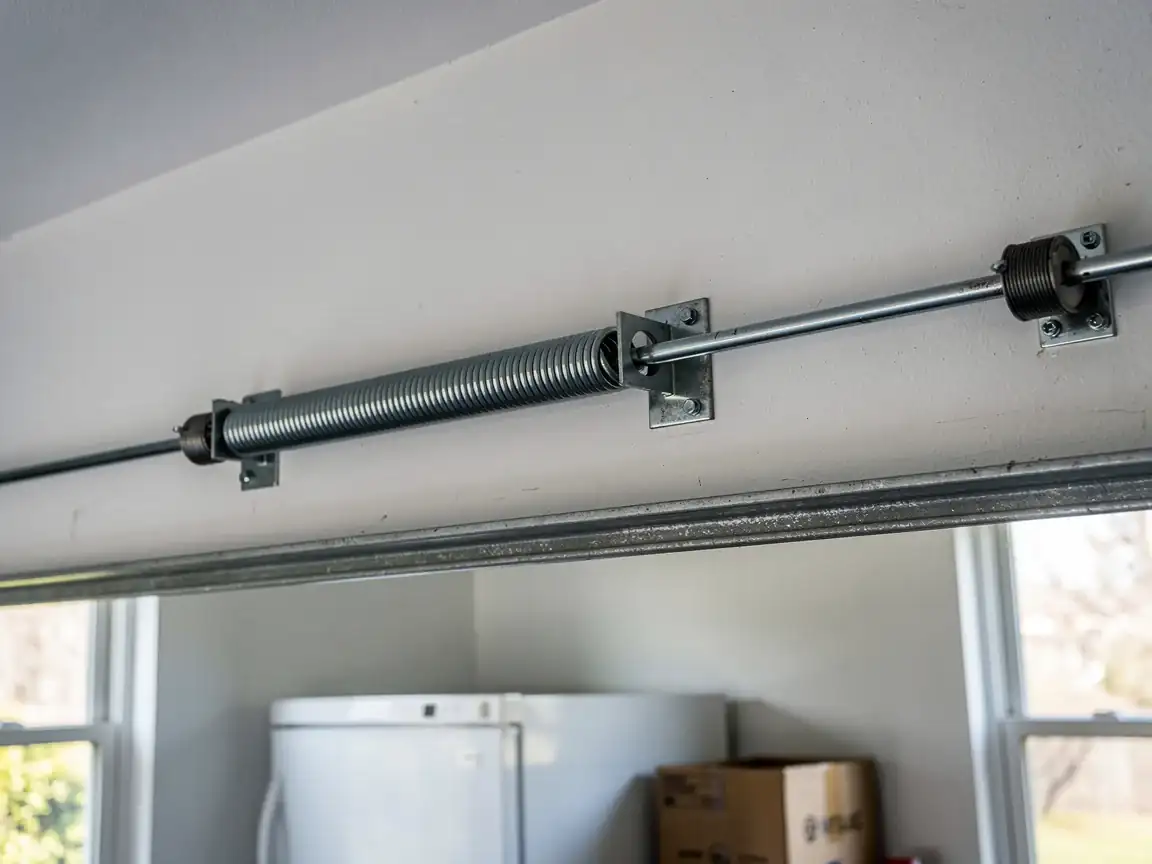
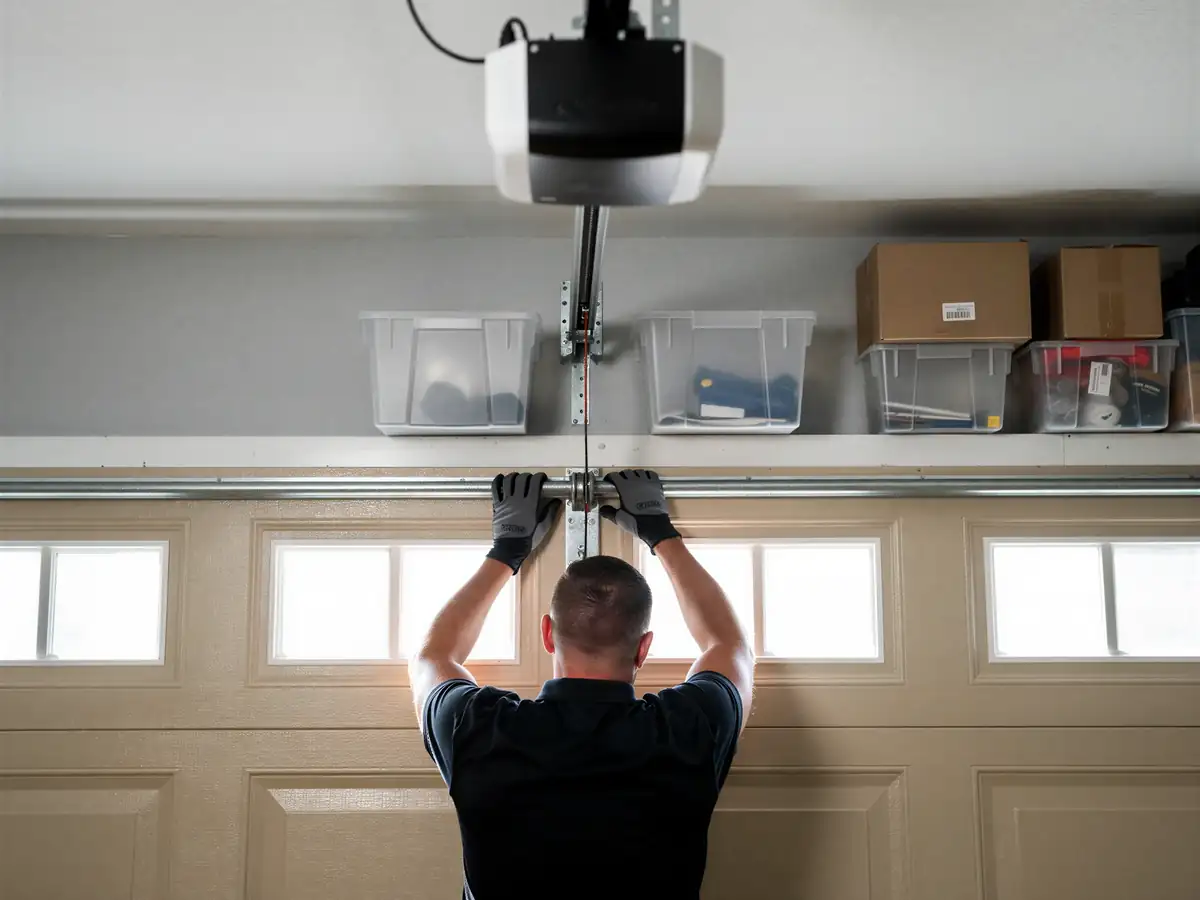
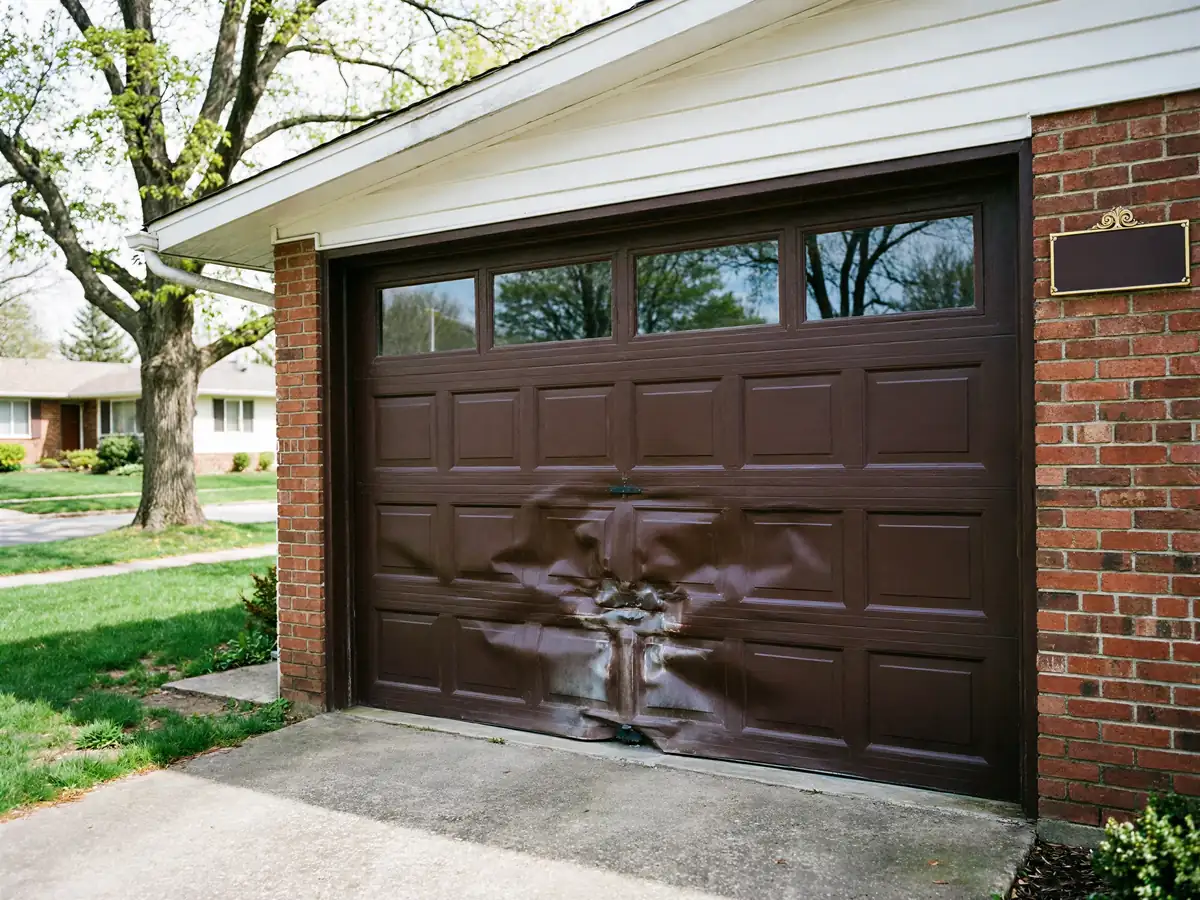
Call, tell us what the door's doing - won't open, open crooked, makes a bang, opener runs but nothing moves - and we'll get a truck out. Cold mornings are when most of our calls come in, because a torsion spring that's been losing tension all year finally lets go on the one morning it's 15 degrees out and the steel's stiff. If your door won't budge at all, don't keep hitting the opener button; that's how a cable off a drum turns into a bent track. We work across the Indianapolis service area, and we schedule by what's failed, not just who called first - a door that's stuck shut with a car trapped inside jumps the line ahead of a slow-closing door that still works. One honest limit: if a part is obsolete or has to come from the manufacturer, we'll tell you the wait up front rather than promise a same-day fix we can't deliver.
Why It Happens Here
The housing stock in Indianapolis's service area is heavily concentrated in one window - 1997 through 2008, with a median build year around 2000 - across the four named pockets we see the most work in. That matters because garage door hardware from that era was built to a cost, not to last 40 years, and a huge share of local doors are now aging out at roughly the same time. Pair that with a climate that sits in the severe-cold band: steel springs lose tempering strength as temperatures drop, lubricant in rollers and hinges thickens, and the metal itself contracts, which tightens tolerances on tracks that were already borderline from a decade of use. A newer-build house in a mild climate might stretch original hardware another five years. Here, the combination of 2000s-era parts and real winters means spring failure and opener strain show up earlier and more often than the national average for a house that age.
What You Are Seeing
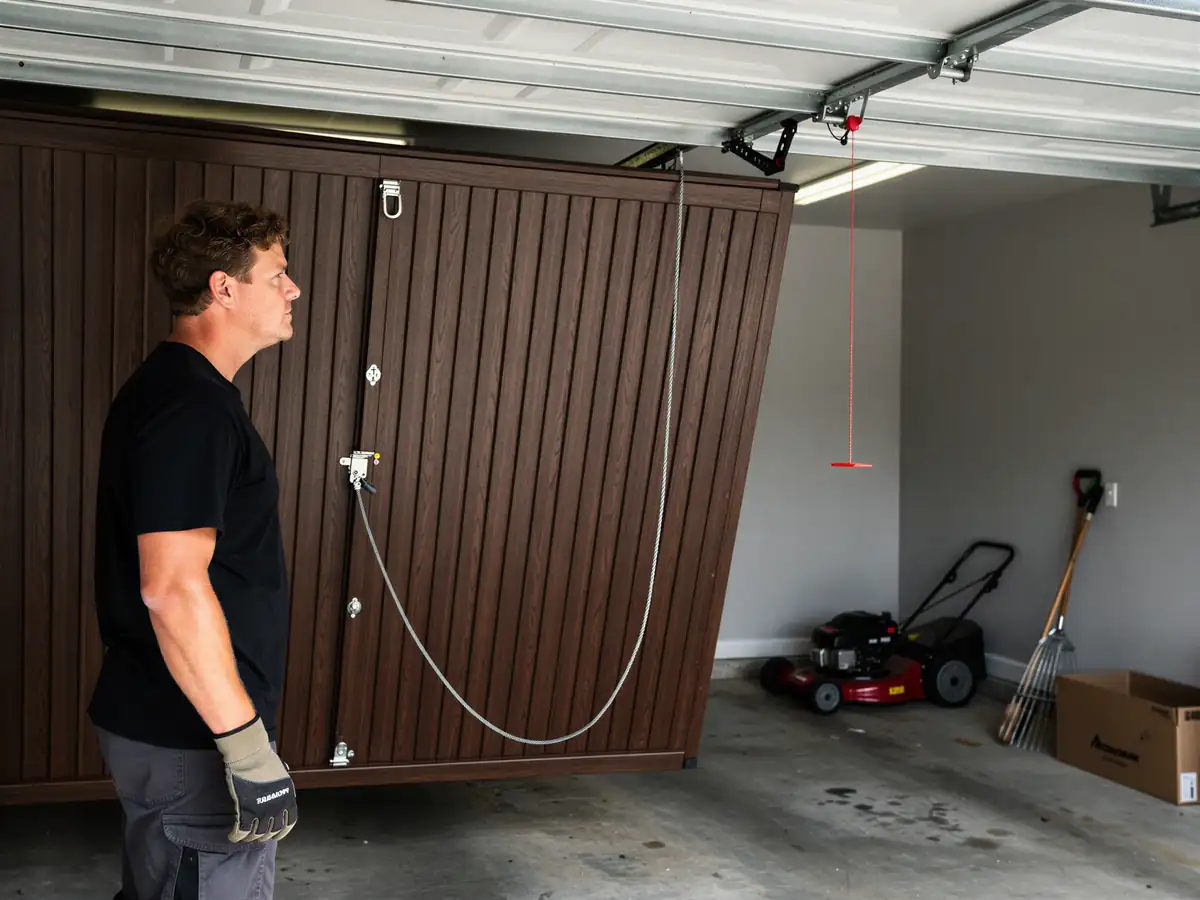
If your door is slow to close in winter and fine in July, that's temperature affecting the spring tension and the opener's force setting - not a fluke. A loud bang followed by the door refusing to move at all is almost always a broken torsion spring, and on a double-wide door from the 1997-2008 wave, both springs are usually close behind the one that already went. A door that opens crooked, with one side higher than the other, points to a cable or roller issue rather than the opener. If the opener motor runs but the door doesn't move, check the emergency release cord first - a surprising number of calls turn out to be that cord still pulled from a power outage. We serve households across the Indianapolis area, including homeowners out toward Carmel, Fishers, Zionsville, and Westfield distances, and the fault patterns we see track the same building era and winter stress across all of them.
How it works
From “it’s stuck” to “it’s fixed”
01
Tell us what’s wrong
Describe the symptom - won’t open, loud bang, opener runs but the door won’t move.
02
On-site diagnosis
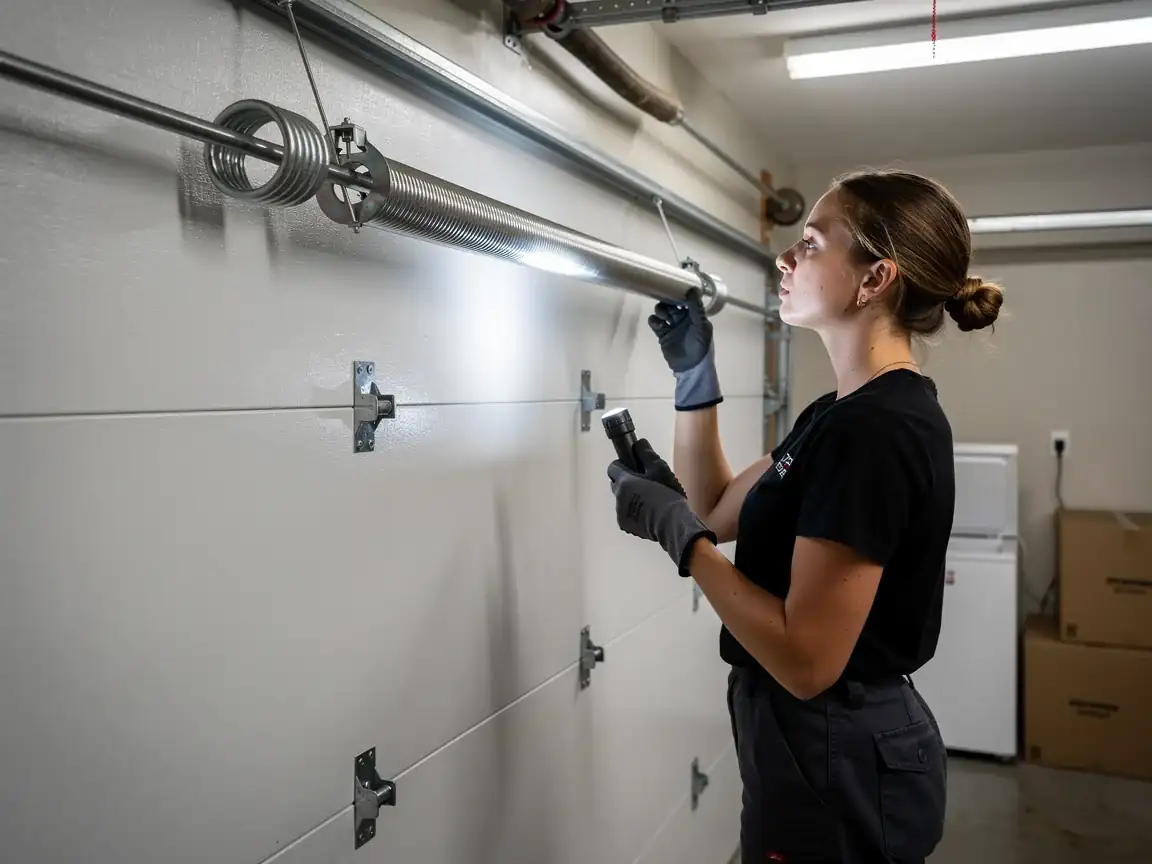
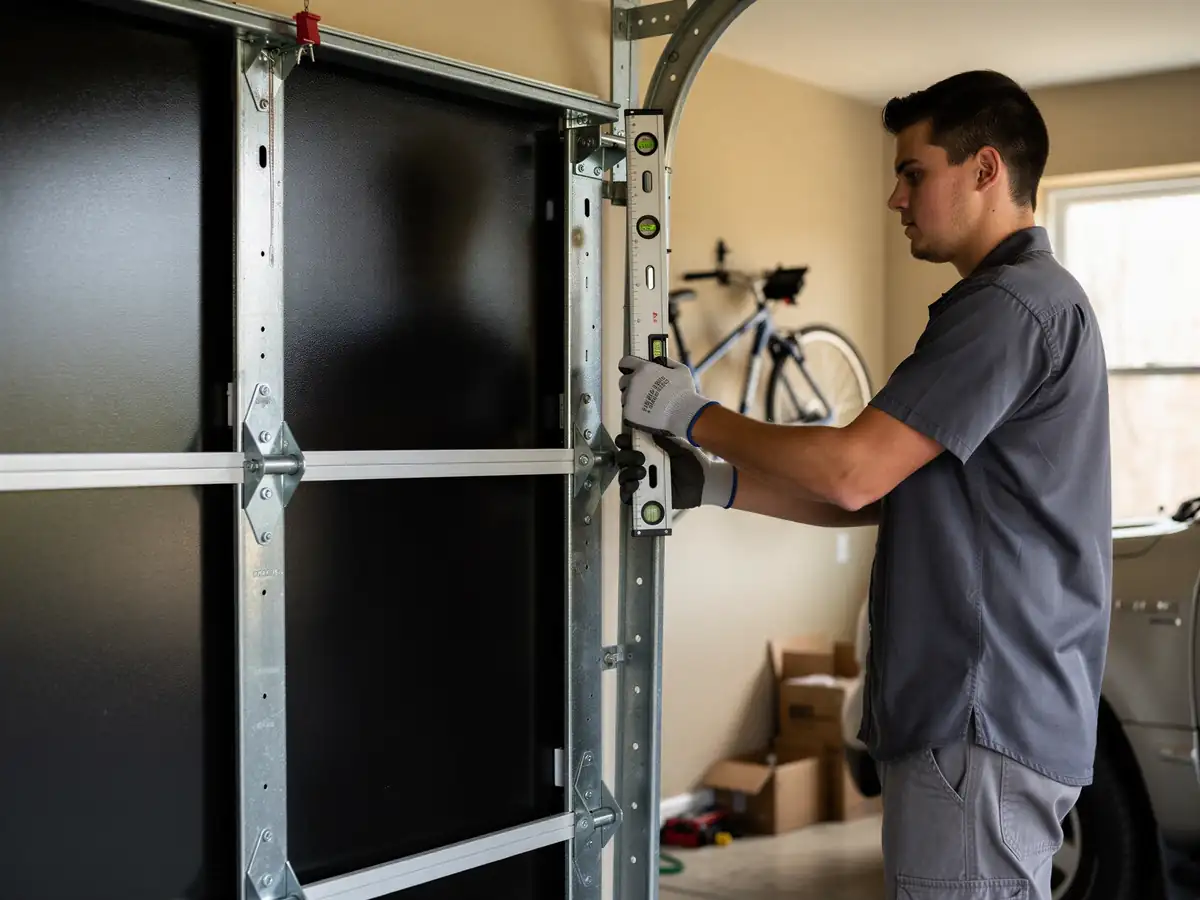
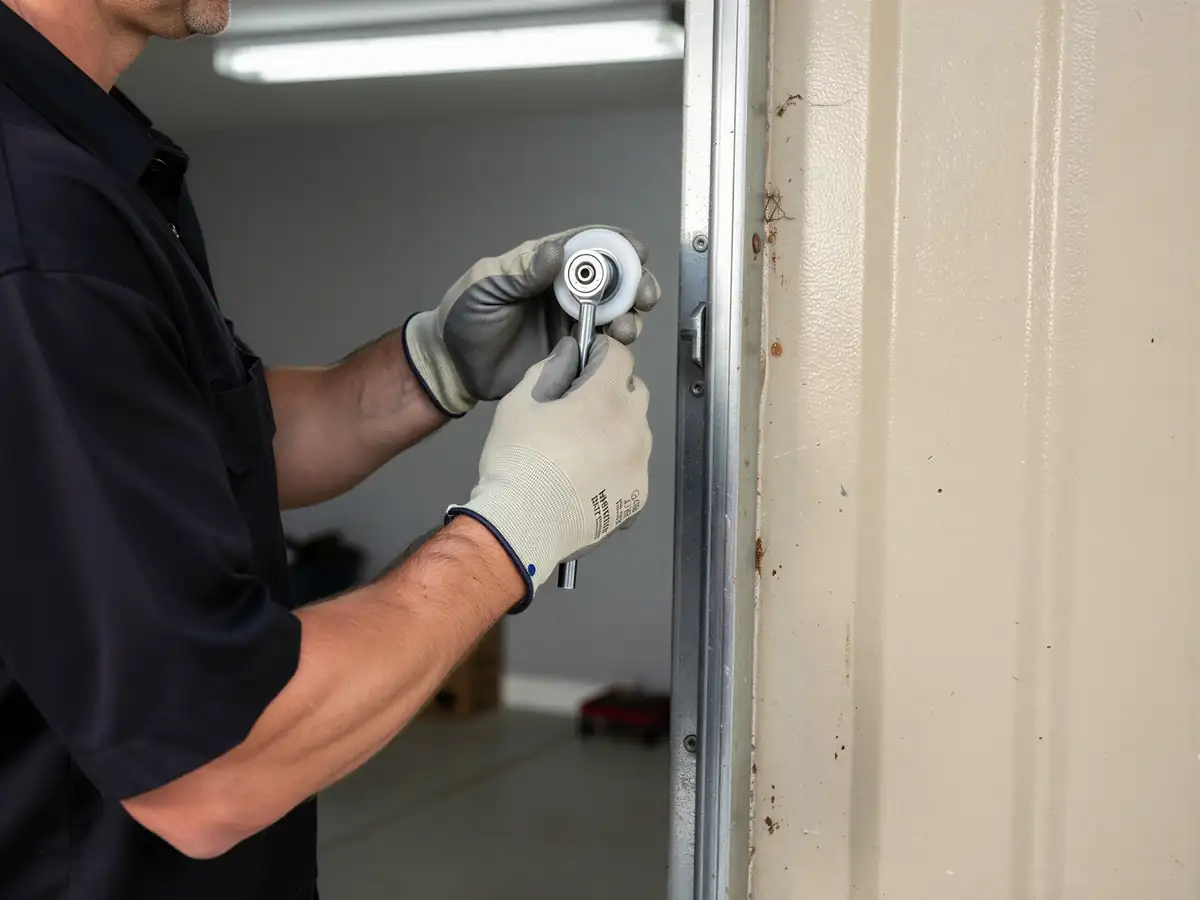
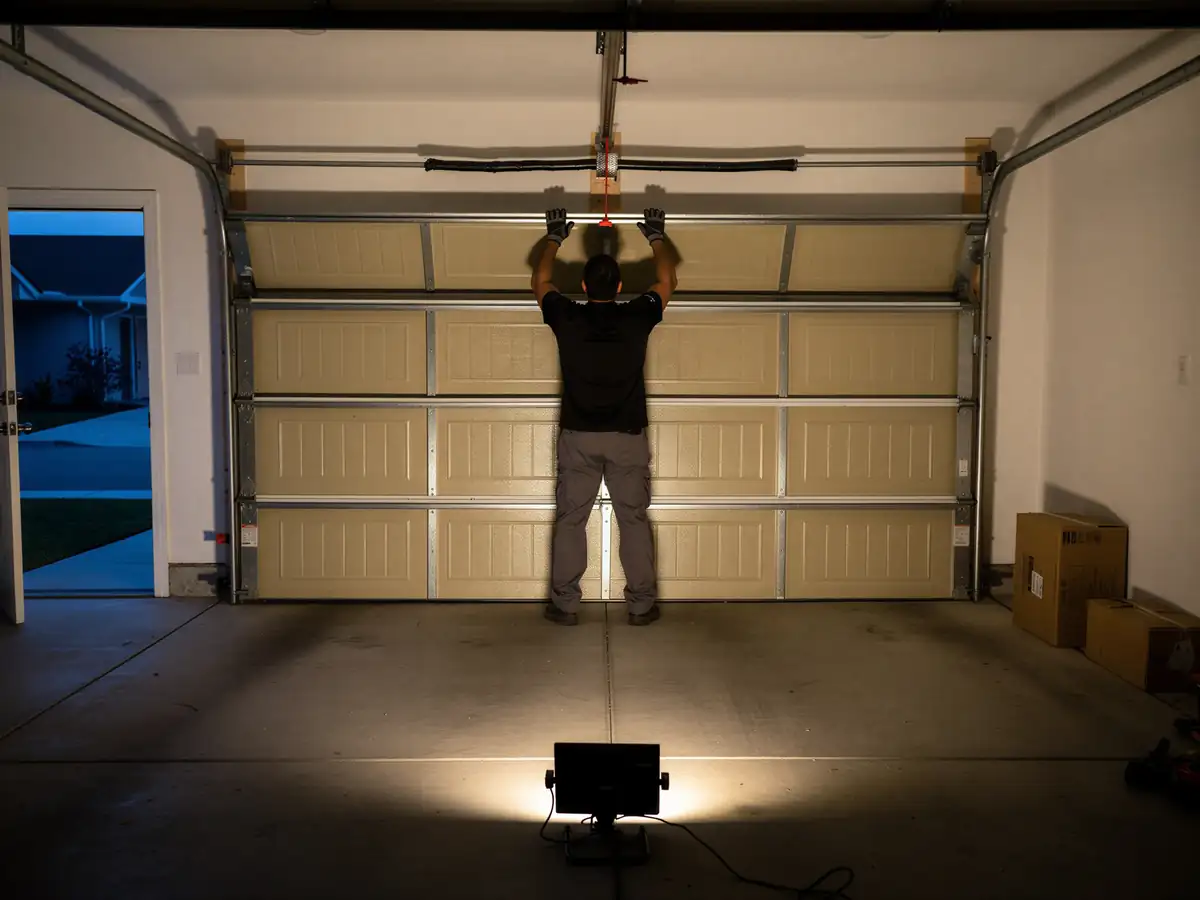
A technician tests the door under power and by hand and finds what actually failed.
03
Clear, up-front plan
You get the fix that’s needed and what drives the cost - before any work starts.
04
Repaired & tested
The repair is done, the door is set true and tested, and the work area left clean.
Not sure which repair your door needs in Indianapolis, IN? Describe what it’s doing - every job starts with a diagnosis.
Straight answers about garage door repair in Indianapolis. Still unsure? Ask us directly.
Why did my garage door spring break in the middle of winter?
Cold makes steel stiffer and less forgiving, so a spring that's already fatigued from 15-20 years of cycles is more likely to snap on a cold morning than a mild one. Combined with Indianapolis's severe-cold winters, this is one of the most common calls we get between December and February.
My house was built in the early 2000s - is that relevant to a repair?
Yes. Most homes in our service area went up between 1997 and 2008, so a lot of original springs, cables, and openers are now reaching 15-25 years old at roughly the same time. That means failures cluster by housing age as much as by individual wear, which is why a thorough check of the whole system matters, not just the obvious broken part.
Should I repair or replace an opener that's acting up?
Depends on age and what's failing. An opener from the 2000s building wave that's stripping gears or losing connection to the remote is often past the point where a single part fix is worth it. We'll look at what's actually wrong before recommending either, and we won't push a replacement if a repair will hold.