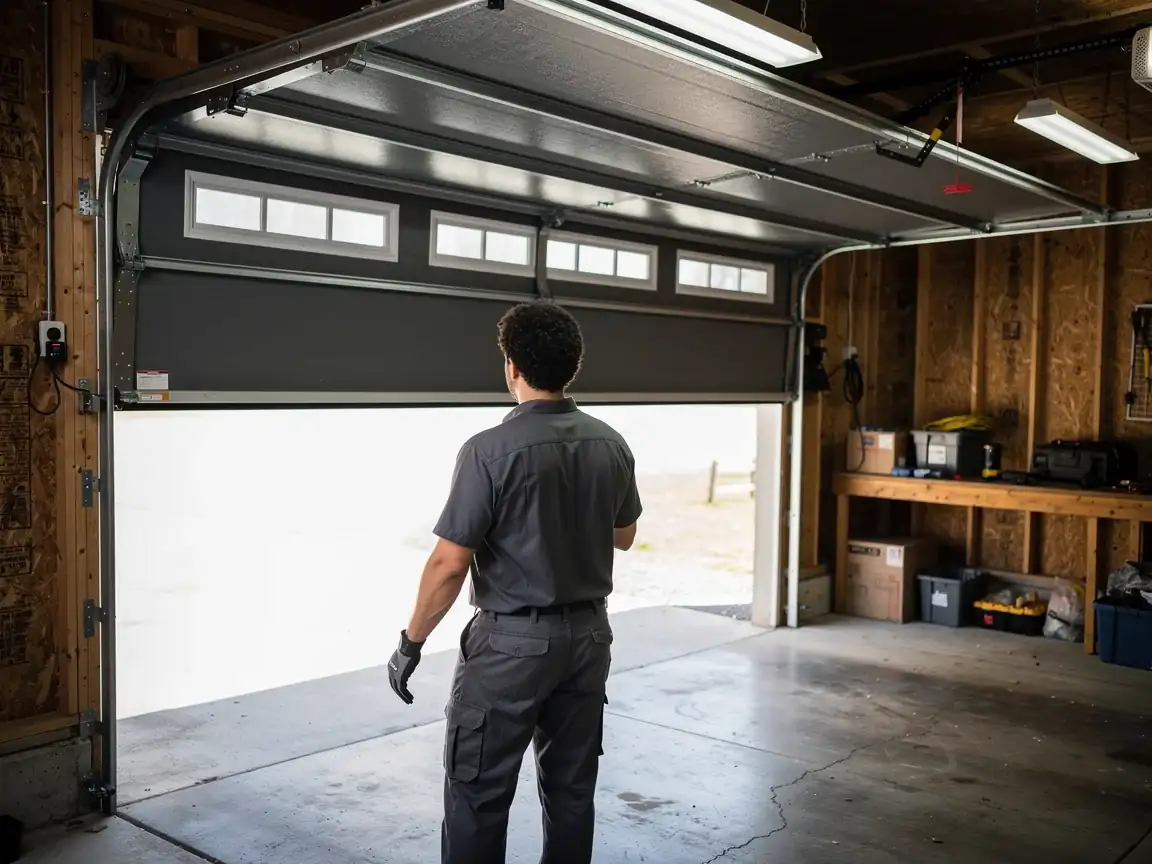
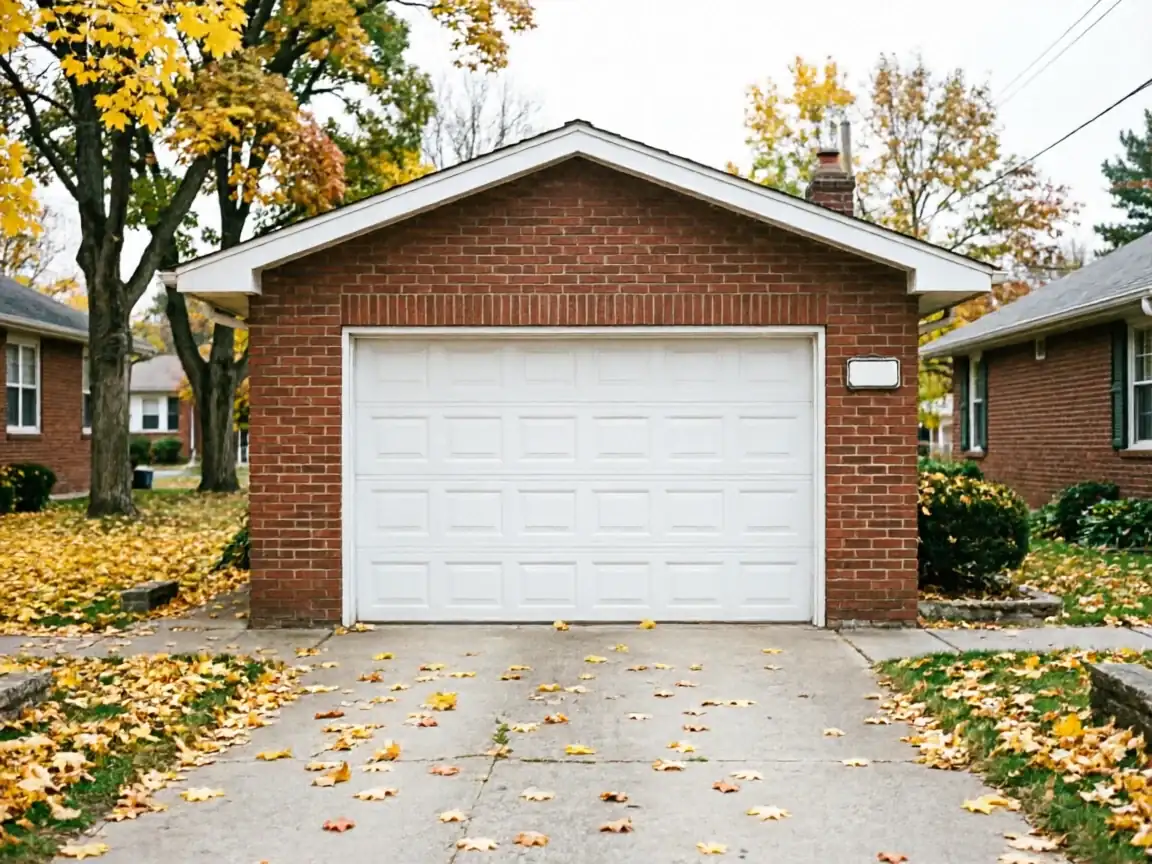
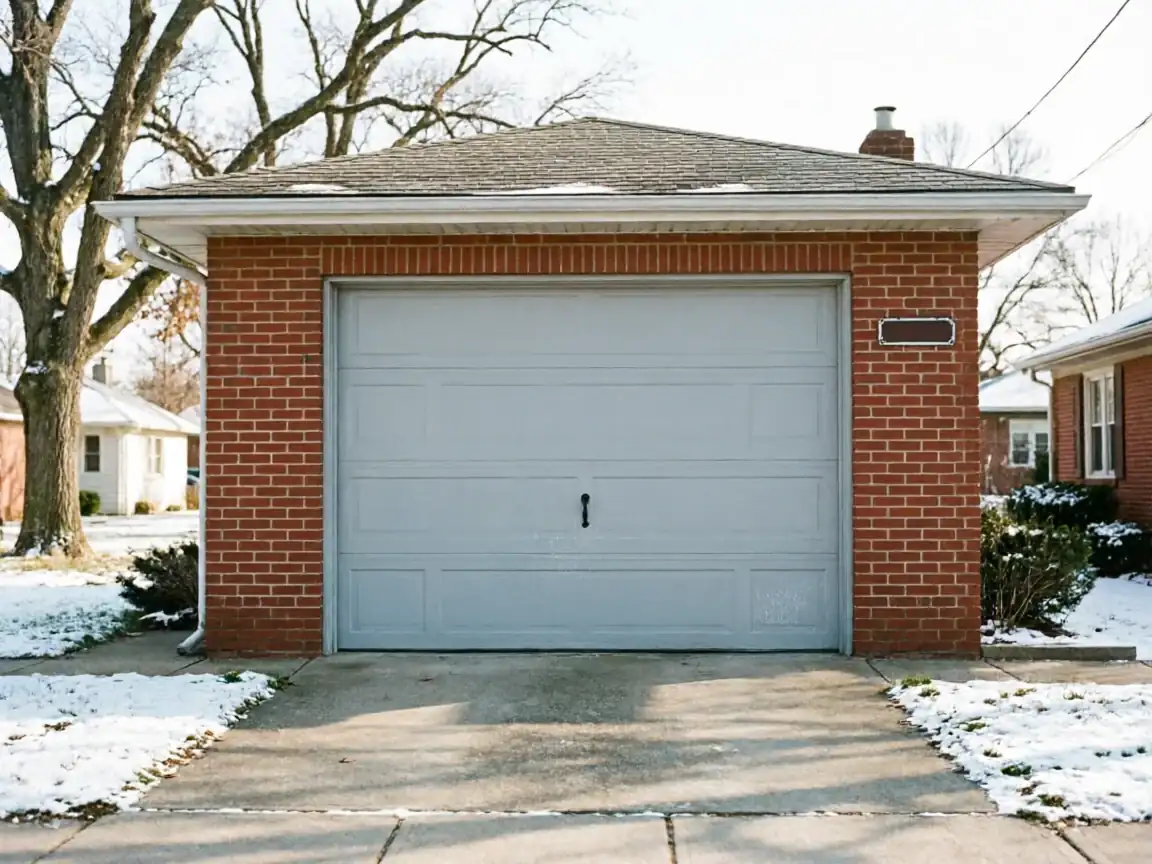
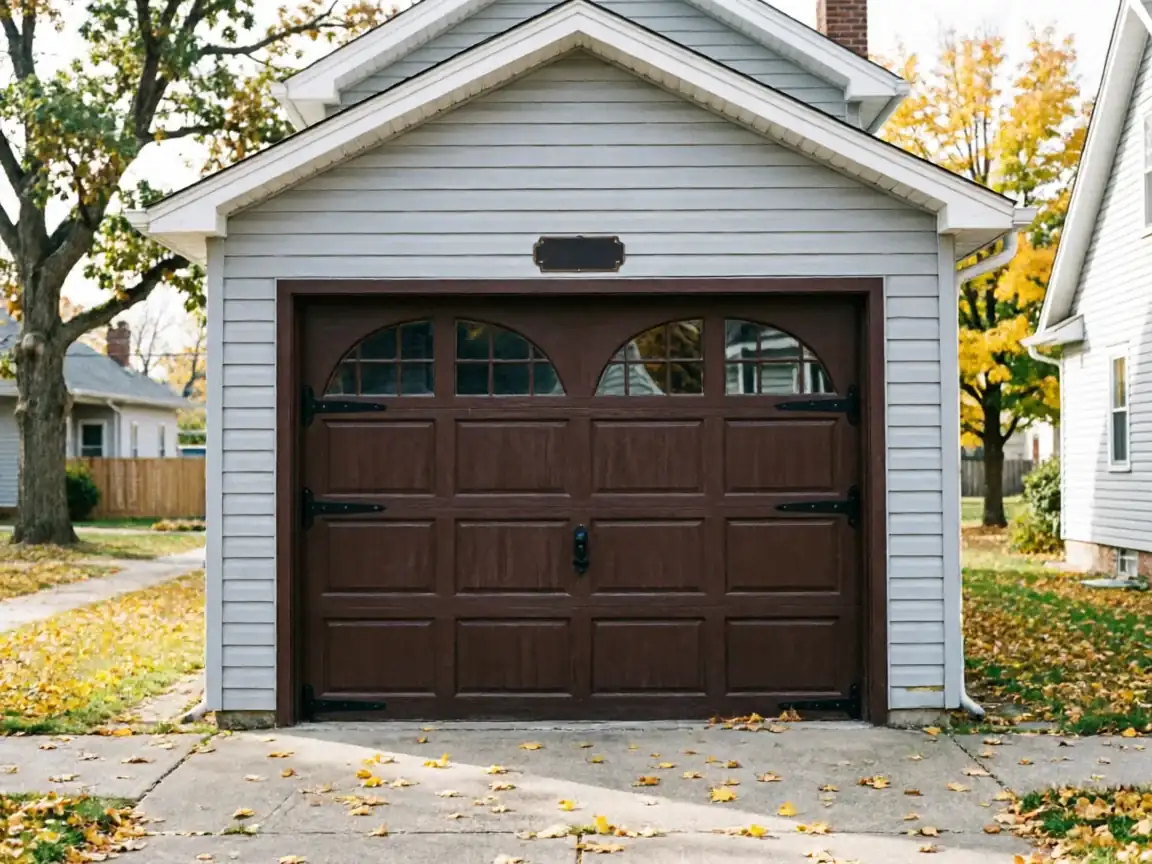
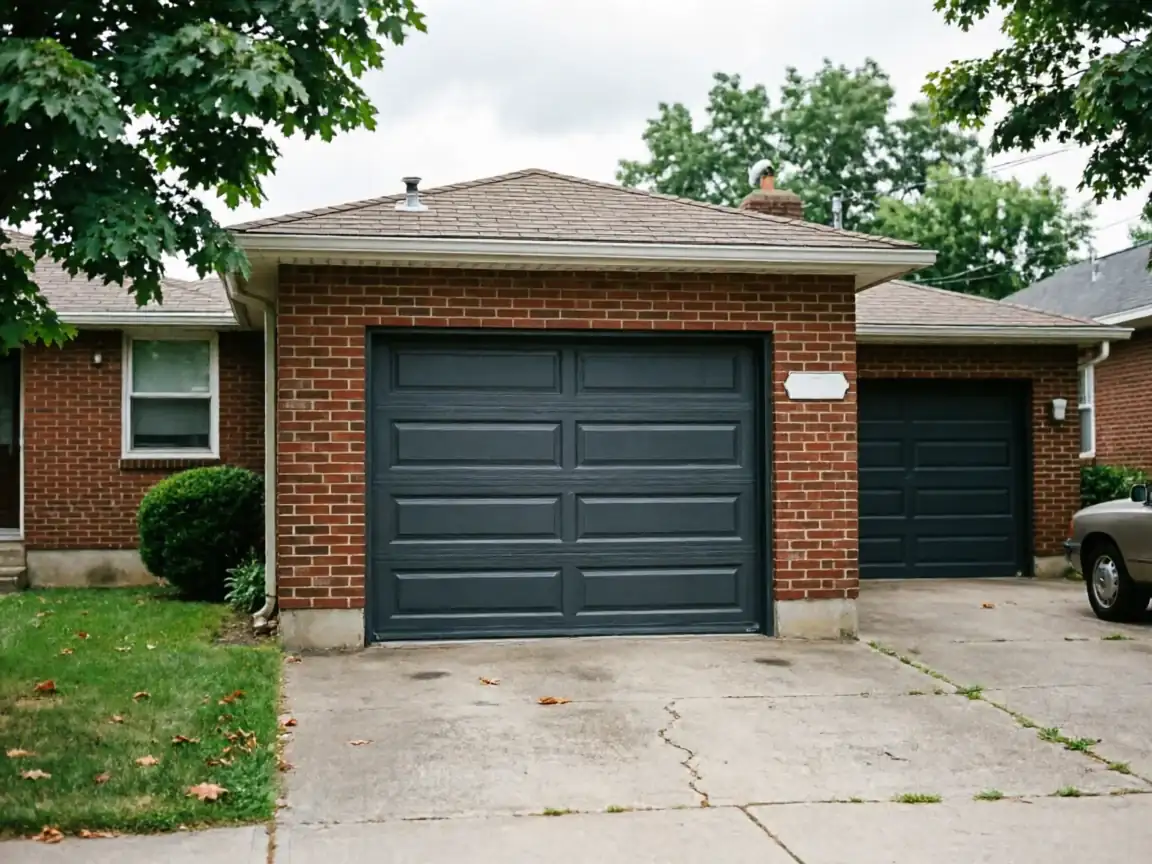
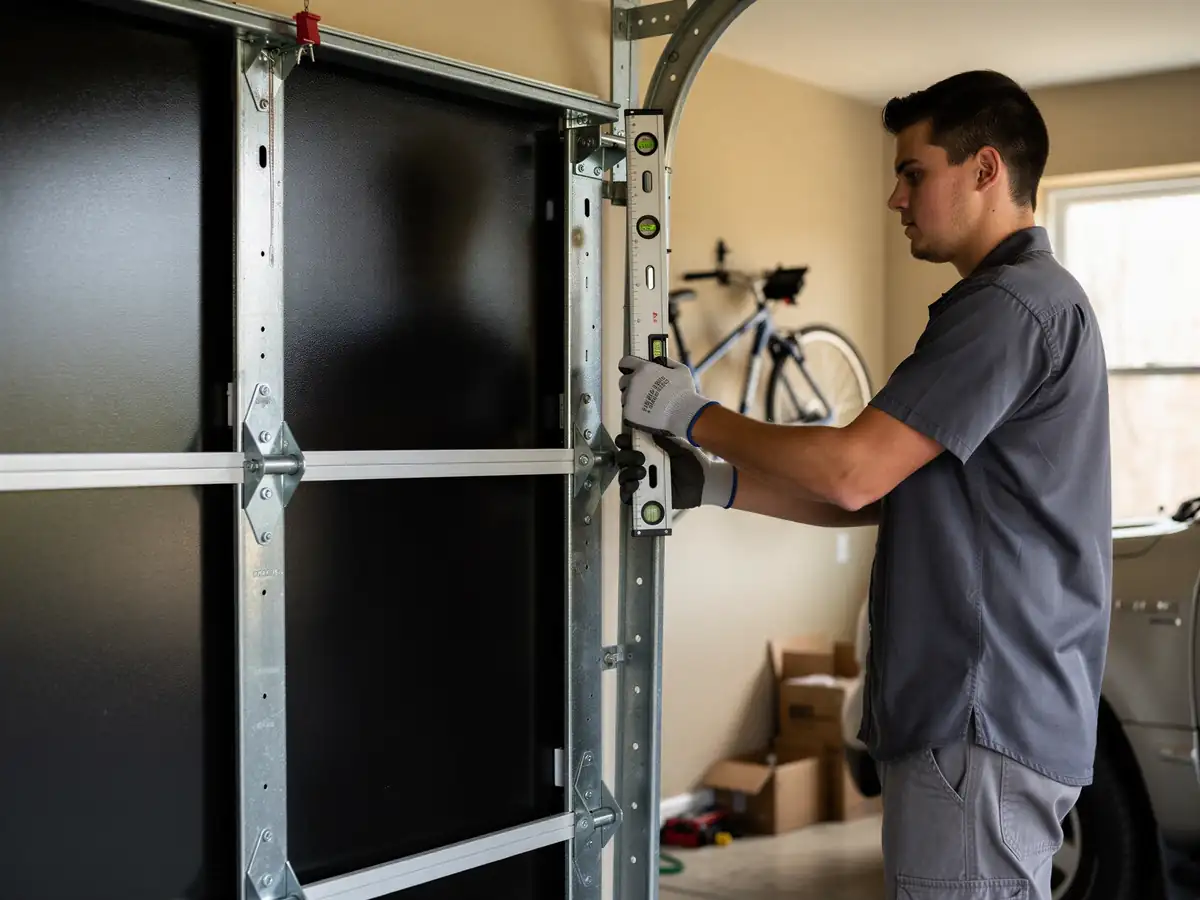
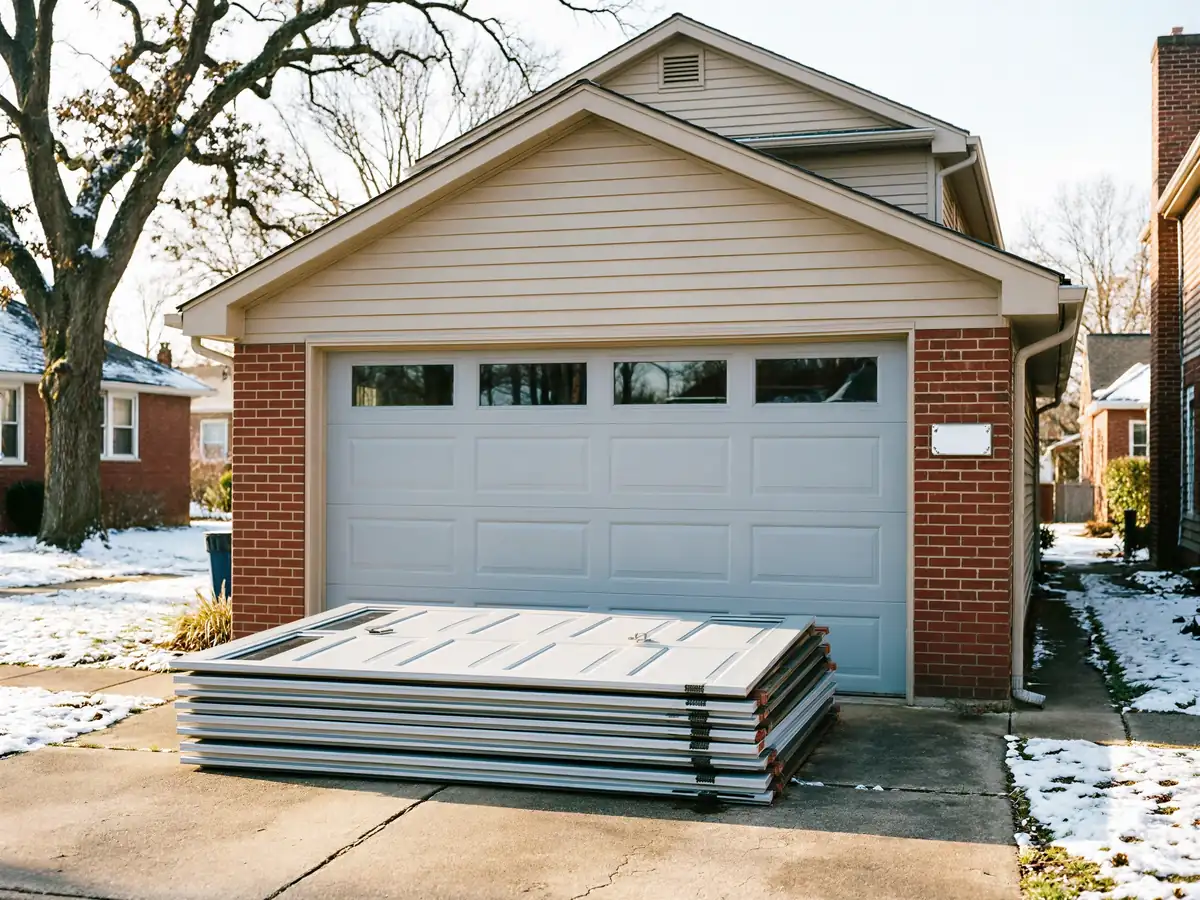
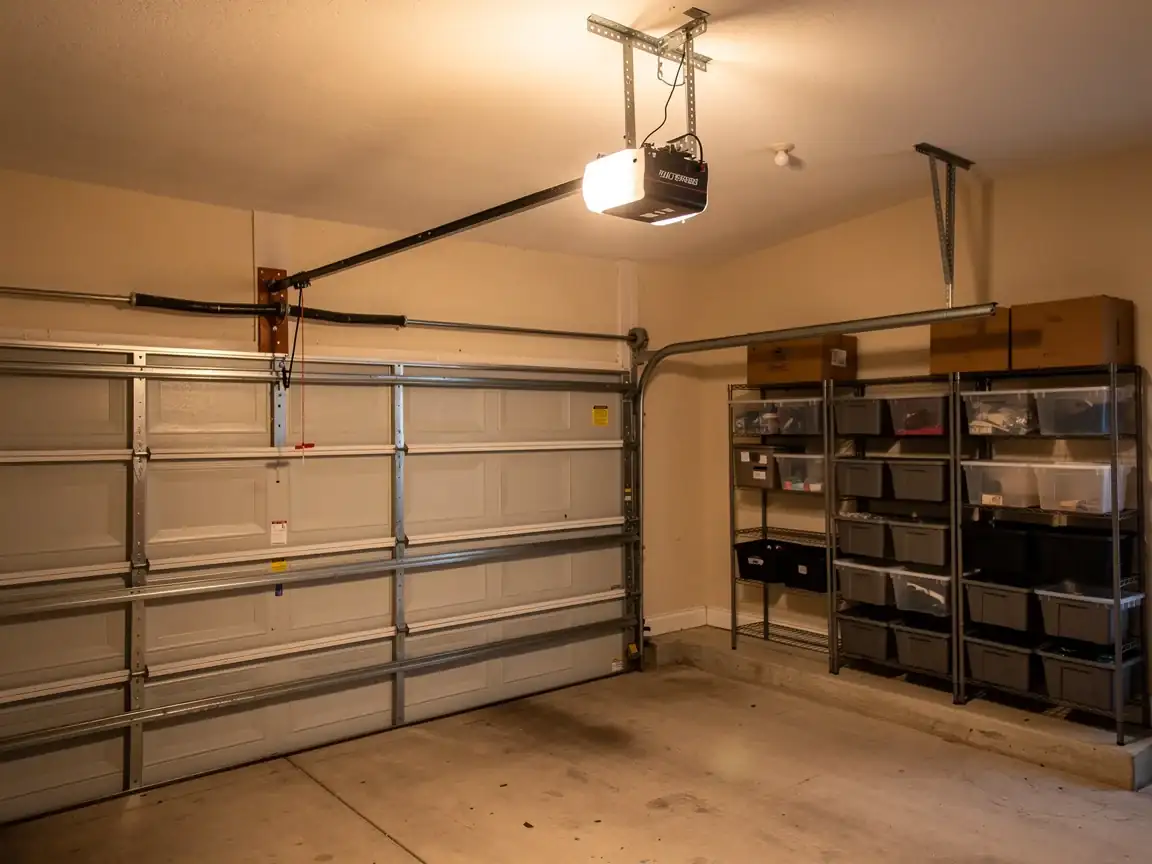
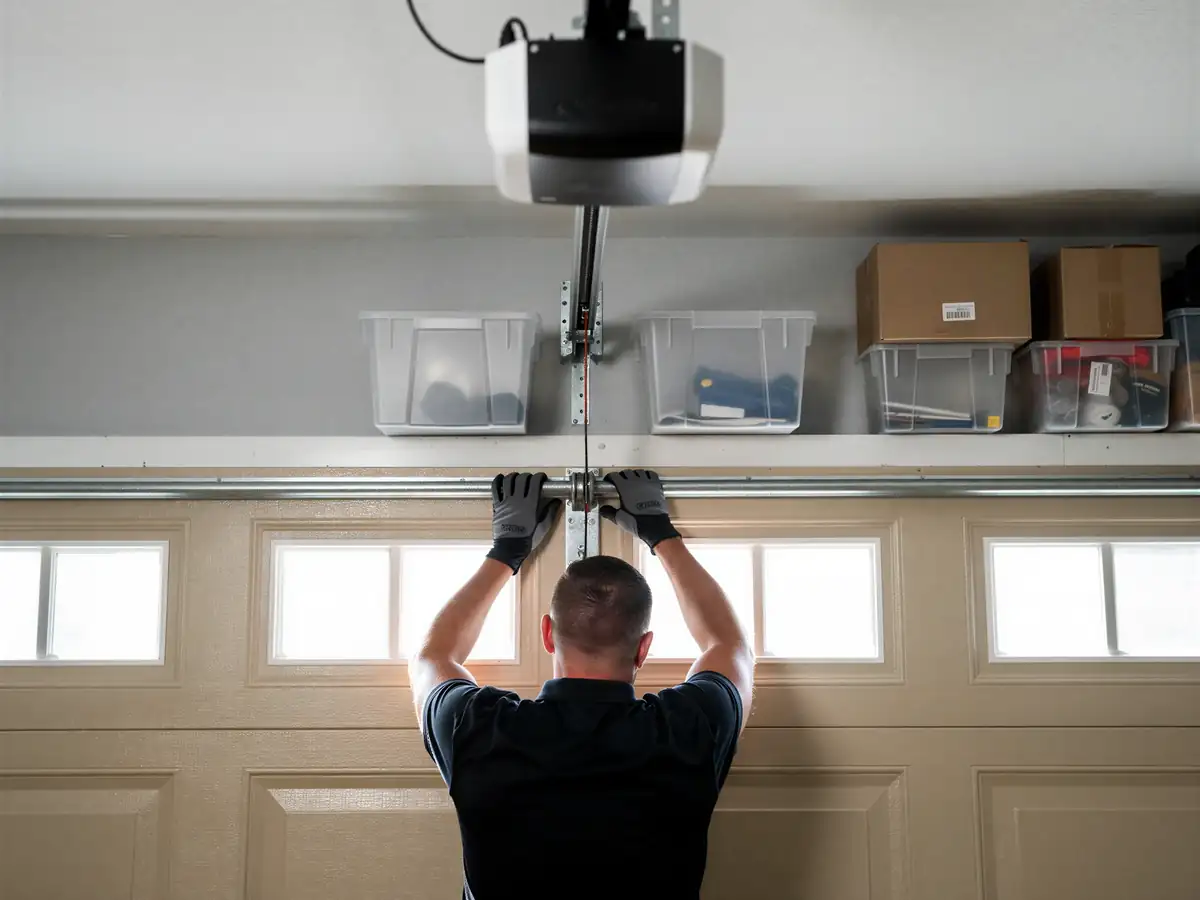
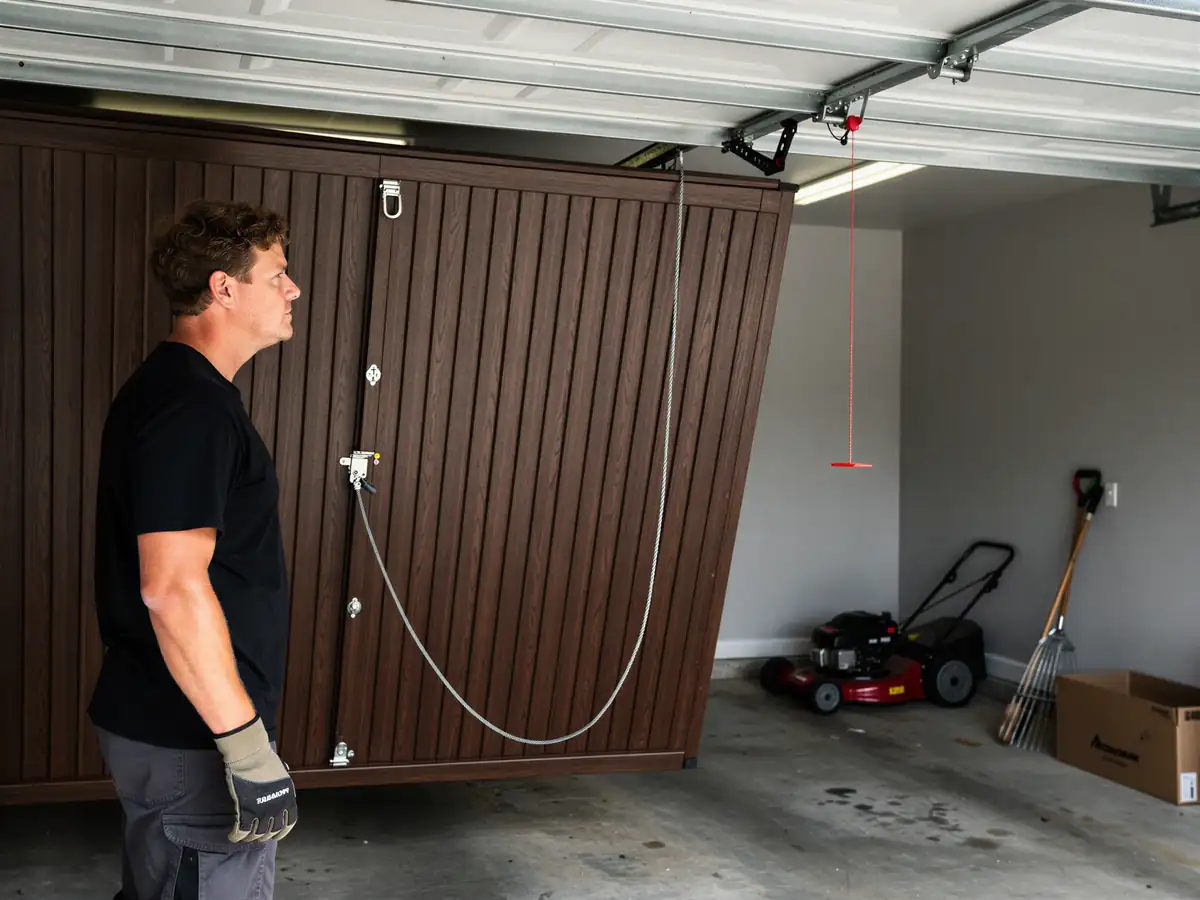
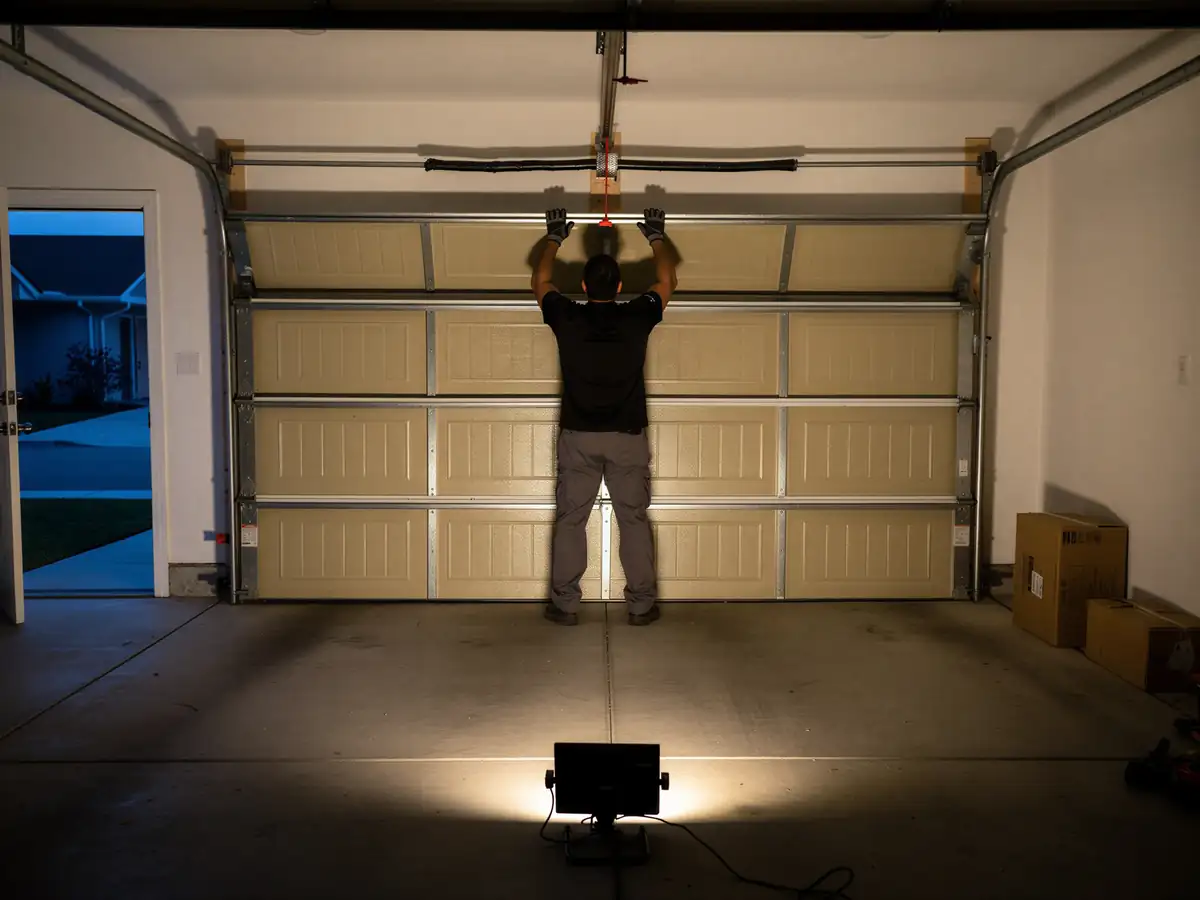
What a panel replacement runs depends on three things: whether the door is still in production, whether the damage is one panel or two, and whether the color has to be matched or just close enough on the inside of the garage. Most of the houses we work on went up between 1997 and 2008, so a lot of doors out there are steel sectional units from that era - not custom, not rare, but not something every supplier keeps on a shelf either. If your builder used a common line from that period, swapping a single bottom panel is usually straightforward. If it's a less common profile or an insulated door with a foam core that's degraded, we may need to order the panel and wait on it rather than pull one off a truck. We'll tell you straight if a panel swap is the wrong call - once a door has two or more damaged panels, or the track geometry has shifted from an impact, replacing the whole door often costs less in the long run than chasing parts for an old one. We don't quote a number here because every door and every supplier lead time is different; we quote it after we've looked at your door and your panel in person.
Getting It Booked In
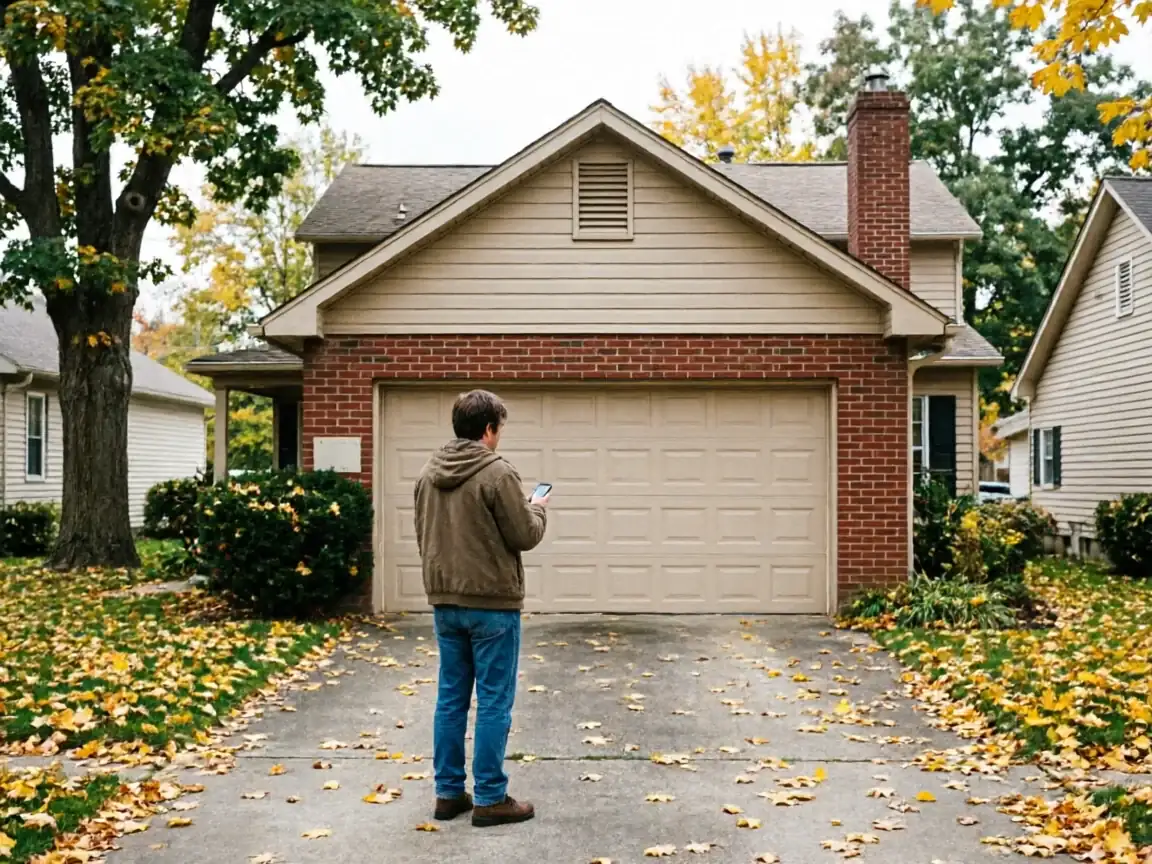
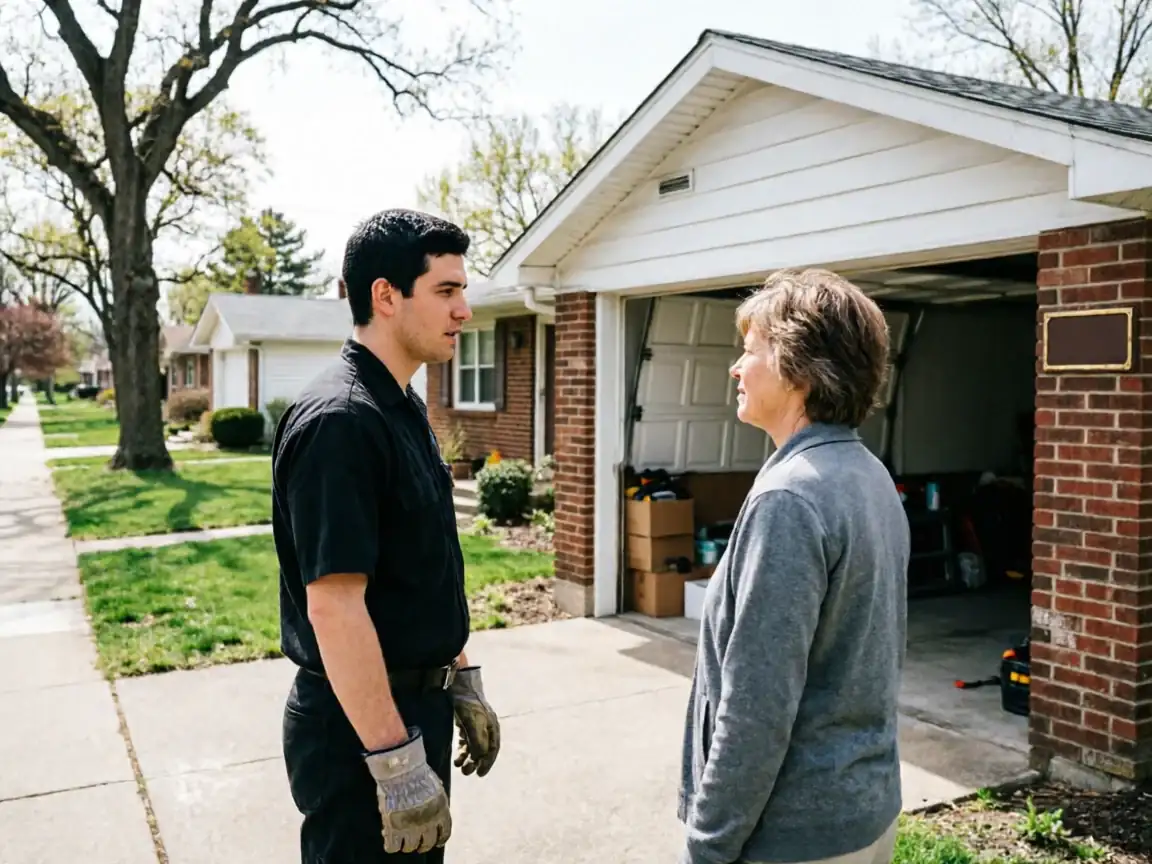
Call or use the contact link on our site and tell us the brand on the door if you can find it - usually a sticker on the inside edge of the top section - plus roughly how old the door is and what caused the damage. That lets us check panel availability before we're standing in your driveway, which saves a trip if the part has to be special-ordered. If the damage is affecting how the door runs - binding, scraping the track, or not sealing at the bottom - say so when you call, because that changes whether this is a cosmetic fix or something that needs attention sooner. We work across the Indianapolis area, so when you book, let us know roughly which part of town you're in; it helps us plan the route and, for anyone near Carmel, Fishers, Zionsville, or Westfield, we can usually fold your job into the same day's run out that direction. We'll give you a window, not a vague promise, and we call ahead before we show up.
Why It Happens Here
Panel damage on Indianapolis garage doors isn't random. Most of the stock in this market is 2000s-built, which means a lot of doors are now twenty-plus years into a steel panel's working life - the galvanized coating has had two decades of freeze-thaw cycles to find any weak spot in the seam or the bottom edge. That matters because Indianapolis sits in a severe cold climate band: repeated hard freezes make existing dents and hairline cracks worse faster than they would in a milder region, since trapped moisture in a damaged panel expands when it freezes and widens the split. A ding from a backed-up car or a stray basketball that would just be cosmetic in a warmer market can turn into a panel that's buckling or rusting through within a season or two here. Across the roughly 80,000 owner-occupied houses in our service area, most built in that same late-90s-to-2000s window, the panels failing today are hitting that age-plus-cold-cycle combination at close to the same time, which is part of why we see clusters of this exact job in certain neighborhoods and not others.
What You Are Seeing
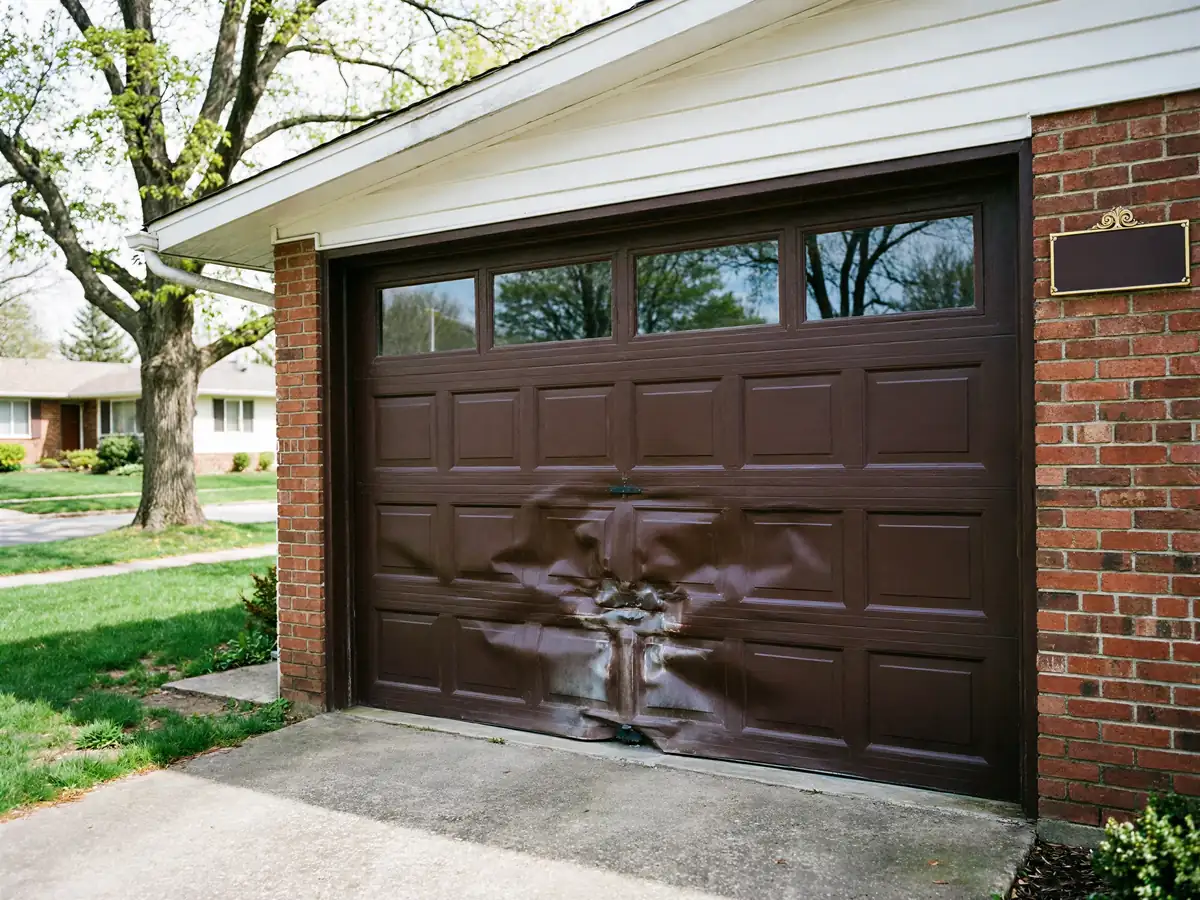
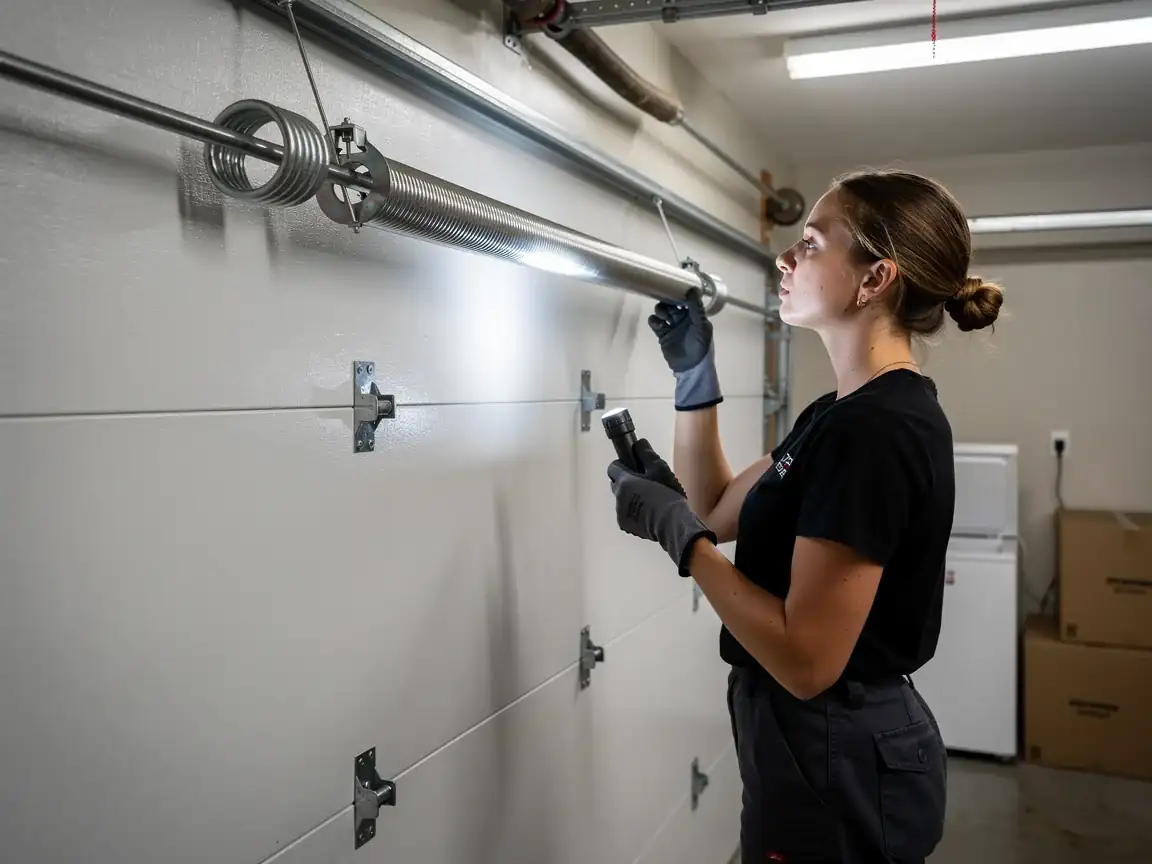
A dent from a car bumper or a basketball is the obvious one - a shallow crease that doesn't affect operation but looks bad from the street. More telling is a panel that's split along a seam or bowed outward at the bottom; that's usually cold-cycle damage working on an older panel rather than a fresh impact. If the bottom panel has rust bubbling under the paint or a soft spot you can push in with a thumb, water has been getting into the panel core, which is common on doors from the late 1990s and early 2000s now reaching the end of their coating life. Watch for a panel that's cracked but the door still opens and closes fine - that's a candidate for a straight swap. If the door is also binding in the track, making a grinding noise, or the opener is straining, the panel damage may have shifted the whole door out of square, and that's a different, bigger job than panel replacement alone.
How it works
From “it’s stuck” to “it’s fixed”
01
Tell us what’s wrong
Describe the symptom - won’t open, loud bang, opener runs but the door won’t move.
02
On-site diagnosis
A technician tests the door under power and by hand and finds what actually failed.
03
Clear, up-front plan
You get the fix that’s needed and what drives the cost - before any work starts.
04
Repaired & tested
The repair is done, the door is set true and tested, and the work area left clean.
Not sure which repair your door needs in Indianapolis, IN? Describe what it’s doing - every job starts with a diagnosis.
Straight answers about garage door repair in Indianapolis. Still unsure? Ask us directly.
Can you match the panel color to the rest of my door?
We try, but paint fades differently depending on sun exposure, so an exact match isn't always possible, especially on an older door. Most homeowners find a close match on the inside of the garage is acceptable since the mismatch is only visible up close. If the color gap bothers you, repainting the full door is an option we can discuss.
Is panel replacement cheaper than a new door?
Usually, if it's one or two panels and the model is still available. Once a door has multiple damaged panels or the track has shifted from the impact, the math often flips, and a full door replacement costs less than chasing discontinued parts. We'll tell you which situation you're in after we look at it.
How long does it take to get a replacement panel?
If your door is a common 2000s-era model, we sometimes have access to a matching panel quickly. Less common profiles or older insulated cores may need to be special-ordered, which adds lead time. We'll give you a real estimate once we've identified the door brand and panel style.
Will cold weather make my panel damage worse?
Yes, if there's already a crack or split. Indianapolis winters put existing damage through repeated freeze-thaw cycles, and moisture trapped in a cracked panel expands when it freezes, widening the gap. A panel that looks minor in fall can be noticeably worse by spring, so it's worth addressing before winter sets in.