Garage Door Roller Replacement Across Indianapolis
Garage door roller replacement for Indianapolis homes built mostly 1997-2008, where cold winters wear out nylon rollers faster than warmer climates. Book an inspection.
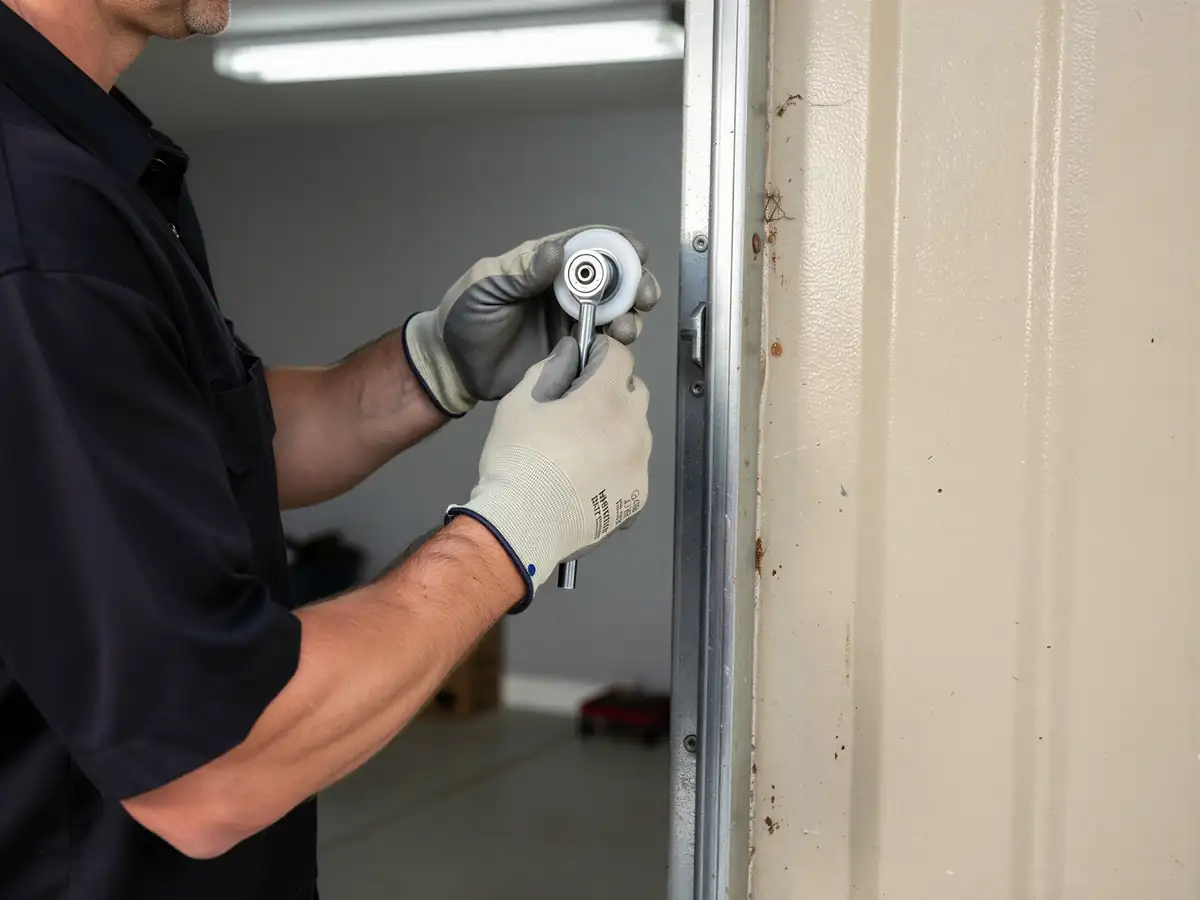
Roller replacement is one of the cheaper repairs we do, which is part of why it gets ignored until it isn't cheap anymore. A full set of rollers costs a lot less than the track damage or opener strain that comes from running the door on worn-out ones. We don't have a flat number to quote you here since the job can mean anything from swapping a handful of nylon rollers to replacing the full set on both sides plus hardware if a bracket's bent. What we can tell you is the variable: steel rollers with sealed bearings last longer than plastic ones, and if your door is original to a house built in the late 1990s or early 2000s, there's a decent chance you're still running the builder-grade rollers that came with it. Swapping those out before a cable jumps the drum is cheaper than the service call that follows a jump. We'll give you a firm number after we look at the door, not before.
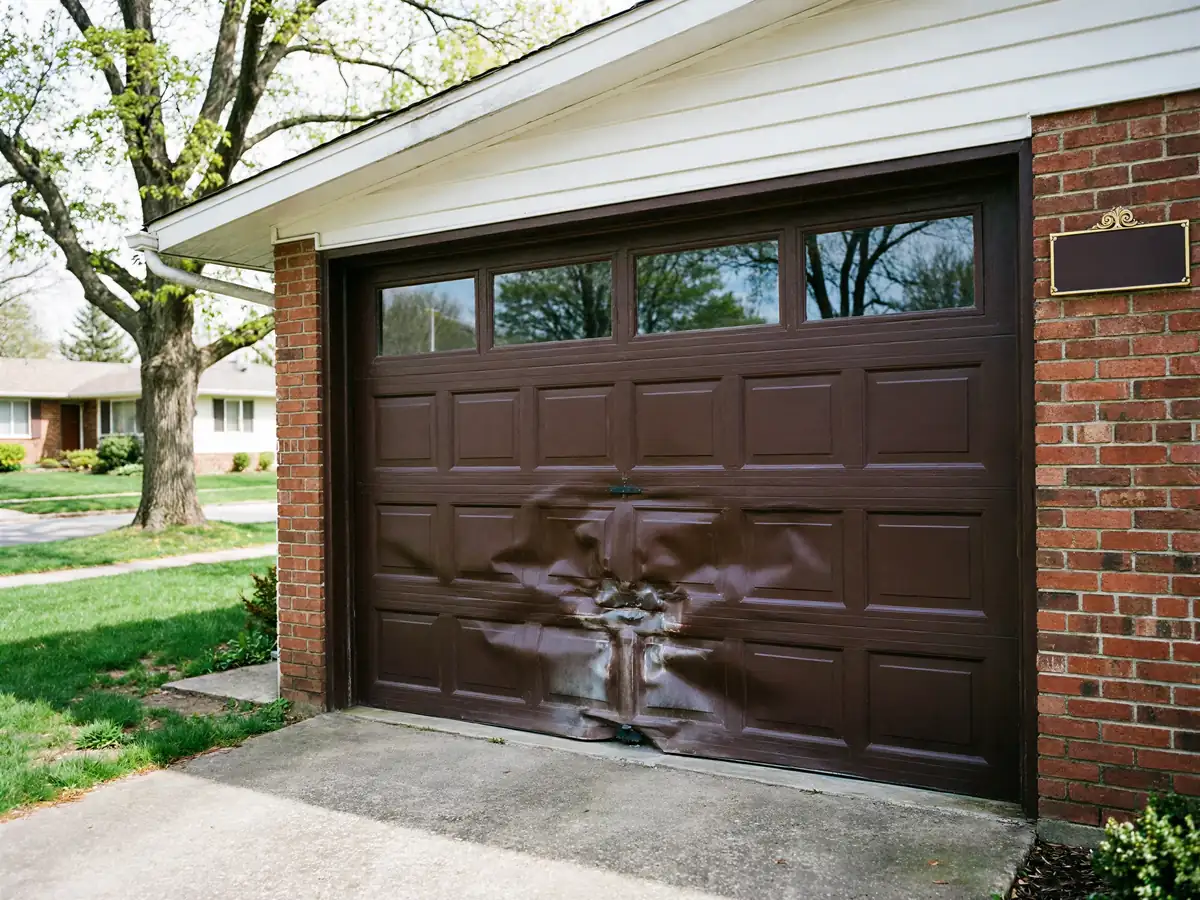
One honest limitation: if your track is bent or the rollers have chewed up the track channel, roller replacement alone won't fix the noise or the binding. At that point you're looking at track work too, and we'll tell you that straight instead of selling you rollers that won't solve it.
Getting It Booked In
01
Call or use the site to get a tech out to look at the door
We ask a few quick questions up front - how old the door is, whether it's grinding, sticking, or jumping track - so the tech shows up with the right rollers on the truck instead of guessing. Most roller jobs get done in one visit since the parts aren't specialty items.
02
Across our service area
Which runs from Indianapolis out through Carmel, Fishers, Zionsville, and Westfield, roller wear shows up at roughly the same age on houses built in the same era, so we stock common sizes rather than special-order each job. If your door is an unusual size or an older design, we'll let you know on the call whether we need to order anything, so there are no surprises when the tech arrives.
Why It Happens Here
A big share of the housing stock in this area went up between 1997 and 2008, with four named areas still mostly built out in that 2000s window. Doors from that era commonly shipped with plastic or basic nylon rollers - fine for the first decade, but they harden and crack with age, especially once they've been through fifteen or twenty winters.
That matters here because the climate band for this area is classified severe cold. Cold doesn't just slow the opener down - it makes nylon rollers brittle. A roller that flexes fine at 70 degrees can crack or flat-spot at 10 degrees, and that flat spot is what you hear as a thump every time the door cycles. Houses built in the late '90s and 2000s are now old enough that the original rollers are past their service life right when winter is putting the most stress on them. That combination - original-era plastic rollers plus a real cold season - is why roller failure calls cluster hard in late fall and midwinter across this service area, more than you'd see in a region with a milder climate band or newer housing stock.
What You Are Seeing
The classic sign is noise that wasn't there before: a rhythmic thump or grinding sound that times with the door's travel, worse at the top or bottom of the cycle where rollers carry the most load. You might also see the door hesitate or jerk slightly as it moves, especially in cold mornings before things warm up.
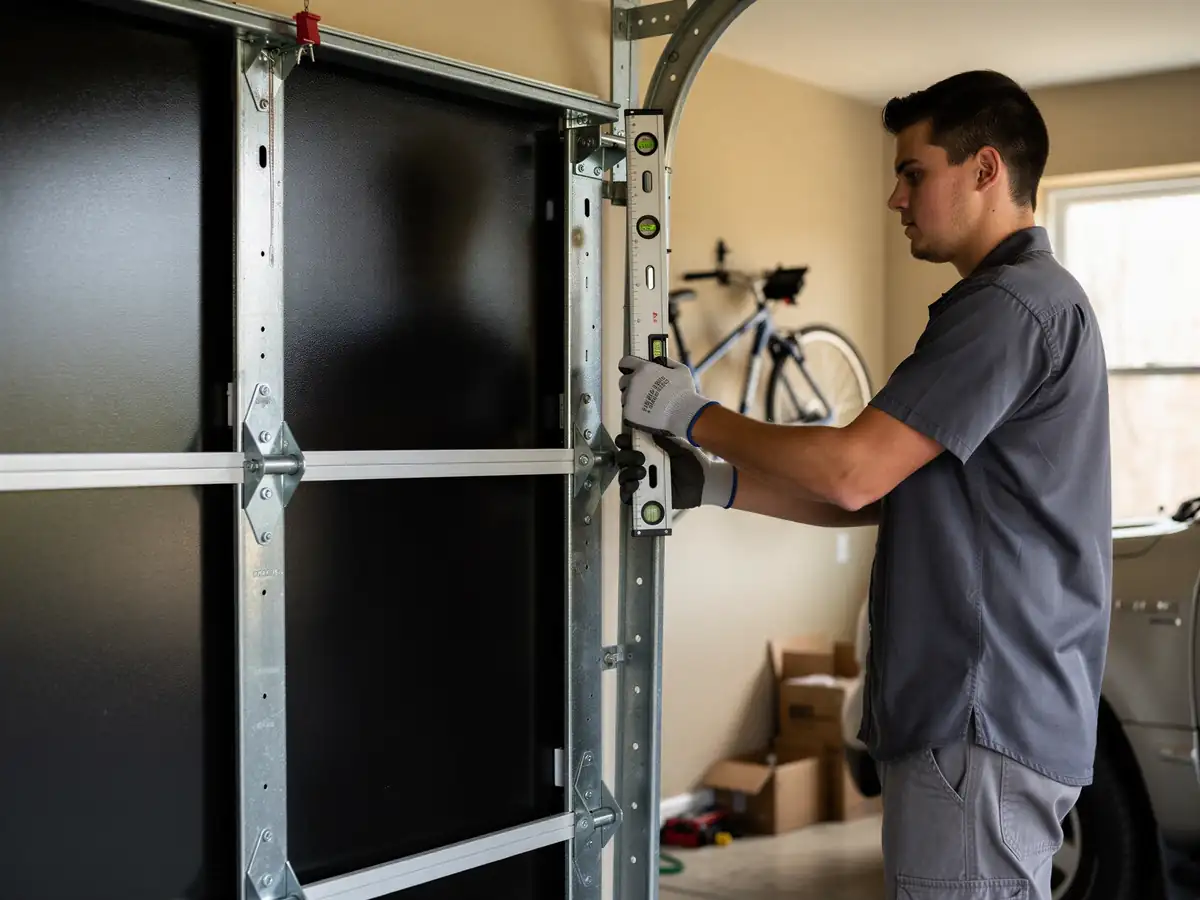
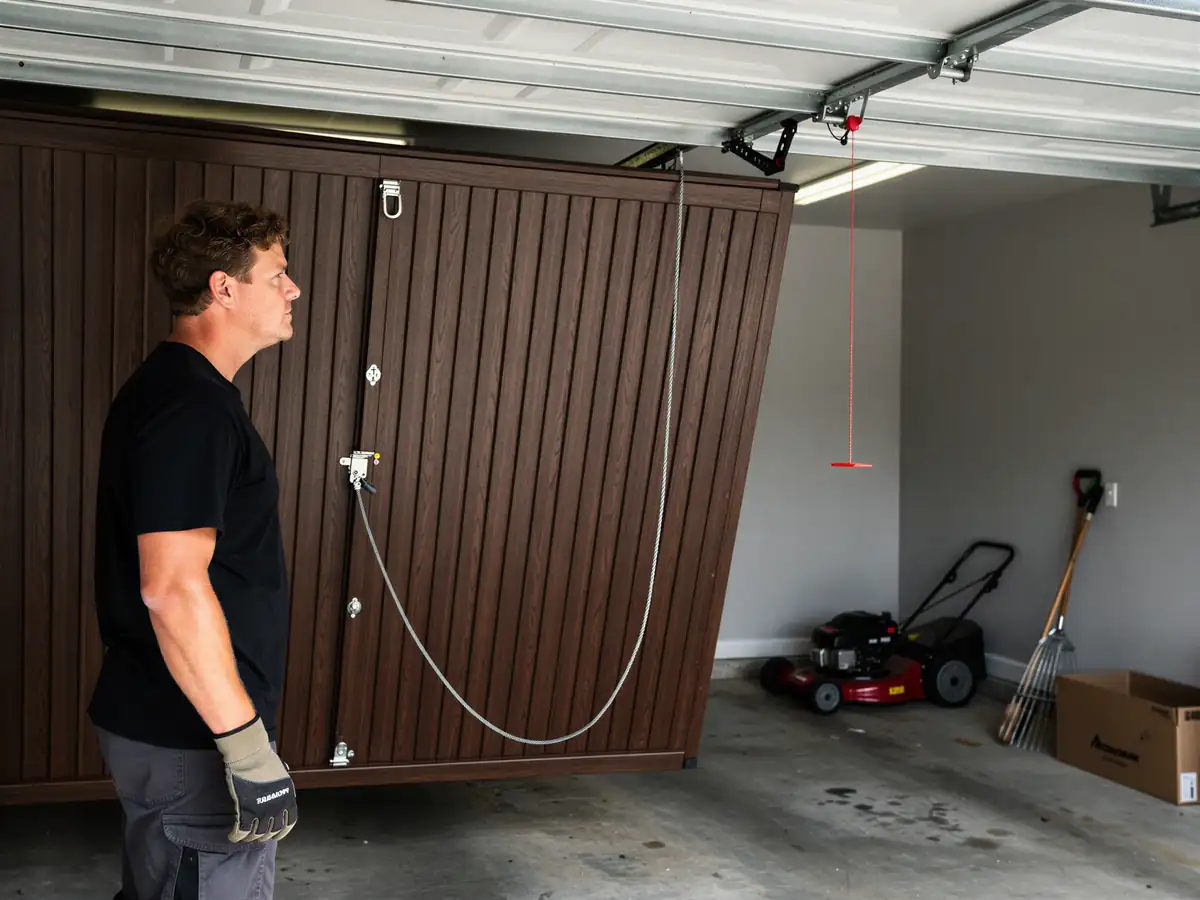
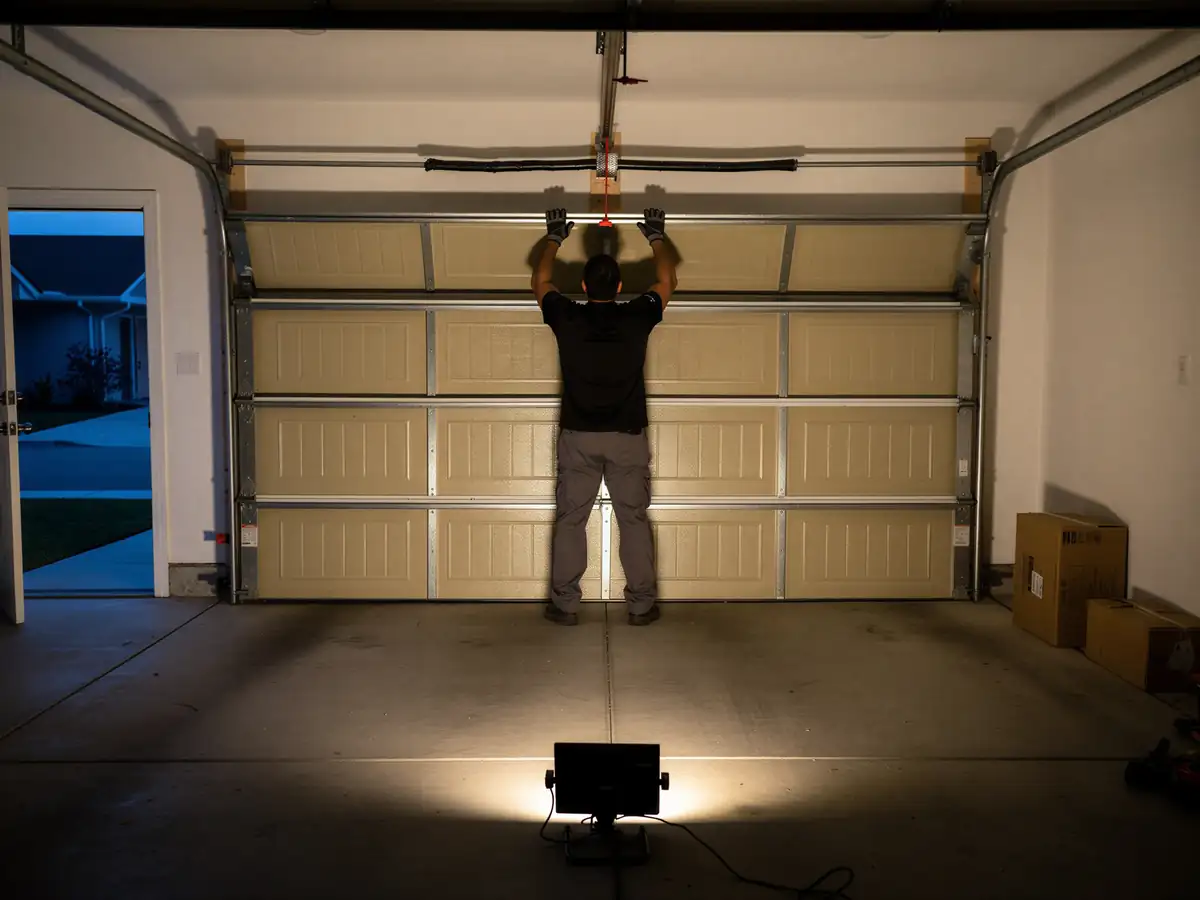
Look at the rollers themselves if you can see them from inside the garage. Cracked, flat on one side, or visibly worn down from their original round shape - any of those means they're done. If the door has started to lean or bind in the track, or a cable has come loose at the bottom bracket, that's past roller wear and into something a tech needs to look at in person before touching anything. Don't keep running the opener if the door is visibly off-track; that's how a roller failure turns into a spring or cable repair.
How it works
From “it’s stuck” to “it’s fixed”
01
Tell us what’s wrong
Describe the symptom - won’t open, loud bang, opener runs but the door won’t move.
02
On-site diagnosis
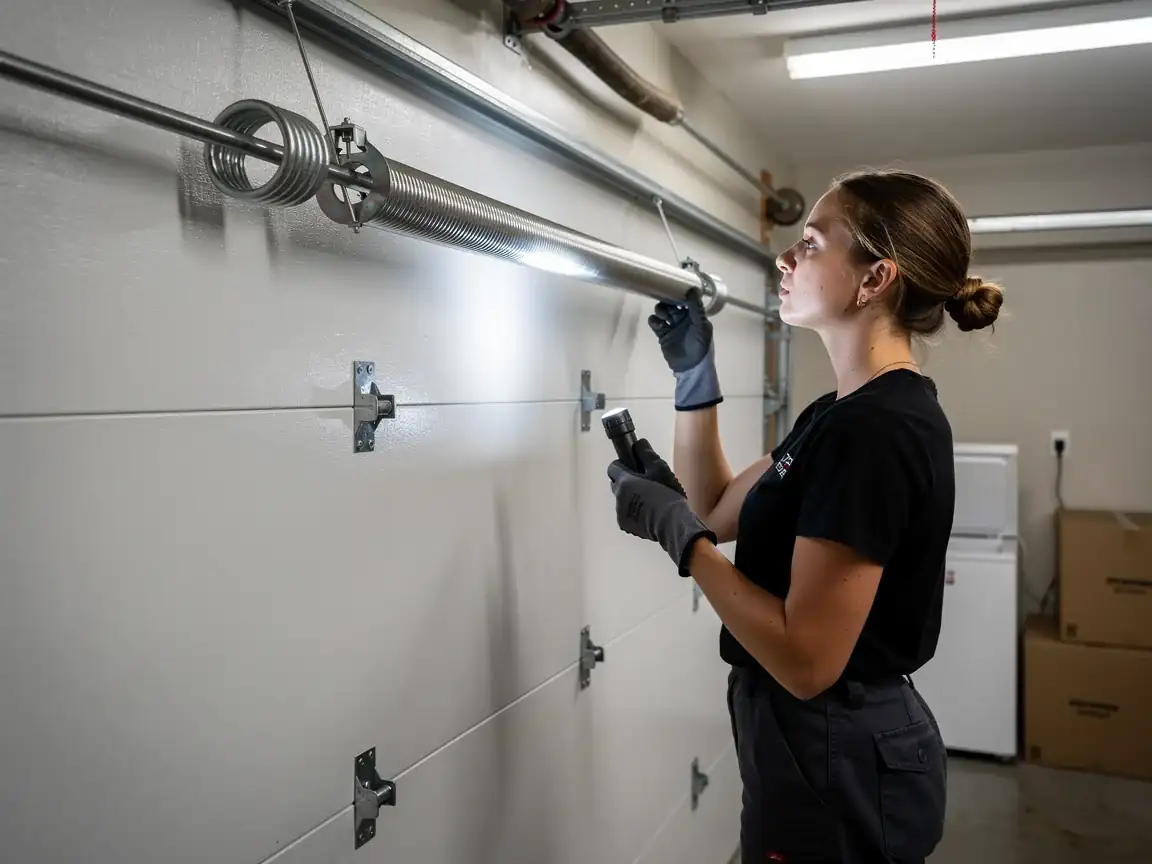
A technician tests the door under power and by hand and finds what actually failed.
03
Clear, up-front plan
You get the fix that’s needed and what drives the cost - before any work starts.
04
Repaired & tested
The repair is done, the door is set true and tested, and the work area left clean.
Not sure which repair your door needs in Indianapolis, IN? Describe what it’s doing - every job starts with a diagnosis.
Straight answers about garage door repair in Indianapolis. Still unsure? Ask us directly.
How do I know if it's the rollers and not the opener?
If the noise happens as the door physically moves - thumping or grinding in rhythm with travel - it's almost always rollers or track, not the opener motor. Opener problems usually sound different: humming without movement, or the door not responding to the remote at all.
Will steel rollers fix the noise for good?
Steel rollers with sealed bearings run quieter and last longer than the nylon rollers many doors in this area shipped with, especially given our cold winters. They won't fix a bent track or a misaligned bracket, so if the noise continues after replacement, something else is contributing.
Can I just replace the worst rollers instead of the whole set?
You can, but rollers on the same door usually wear at close to the same rate since they've seen the same age and the same winters. Replacing only the obviously bad ones often means a second call in a year or two when the rest catch up.