Garage door repair and opener service for Carmel homeowners, built mostly in the late 1990s. We travel 14 miles from Indianapolis for springs, openers, and panel work.
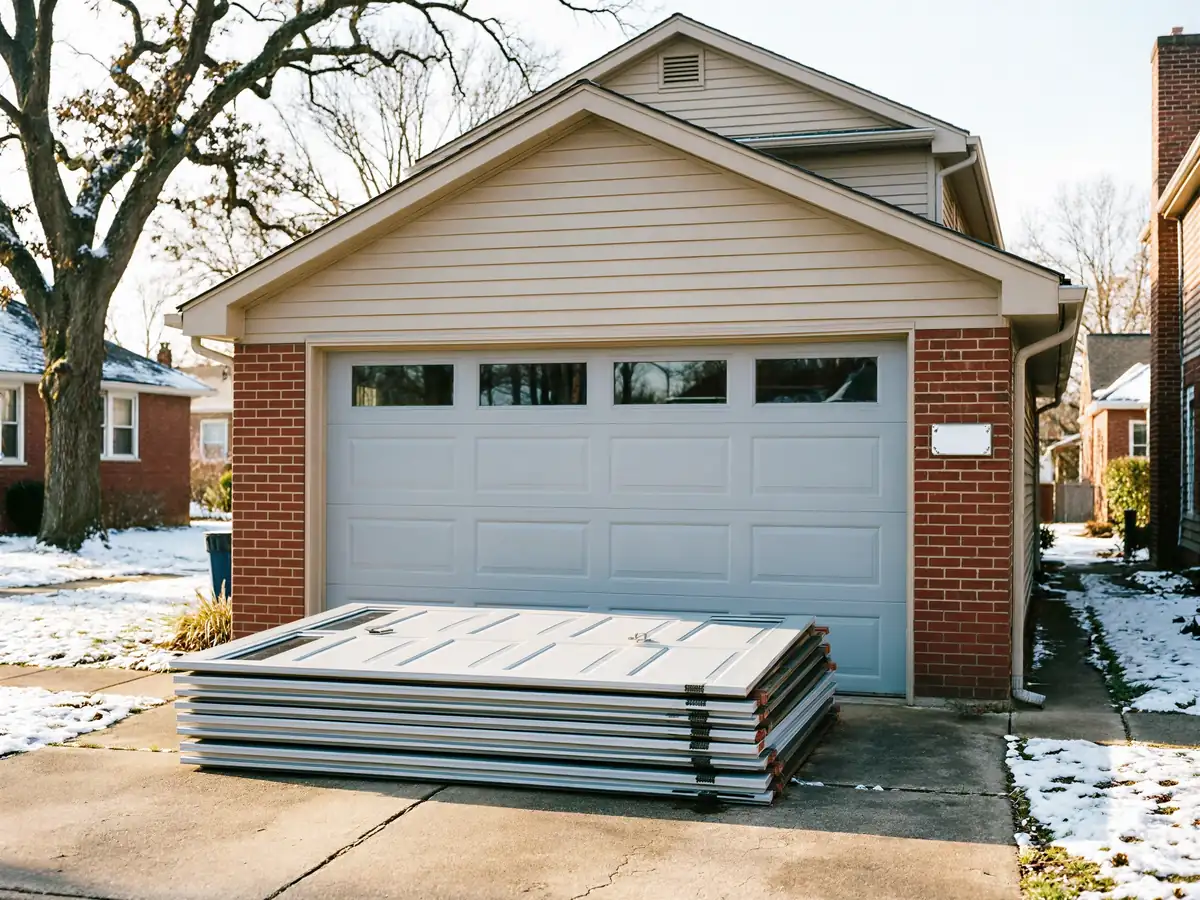
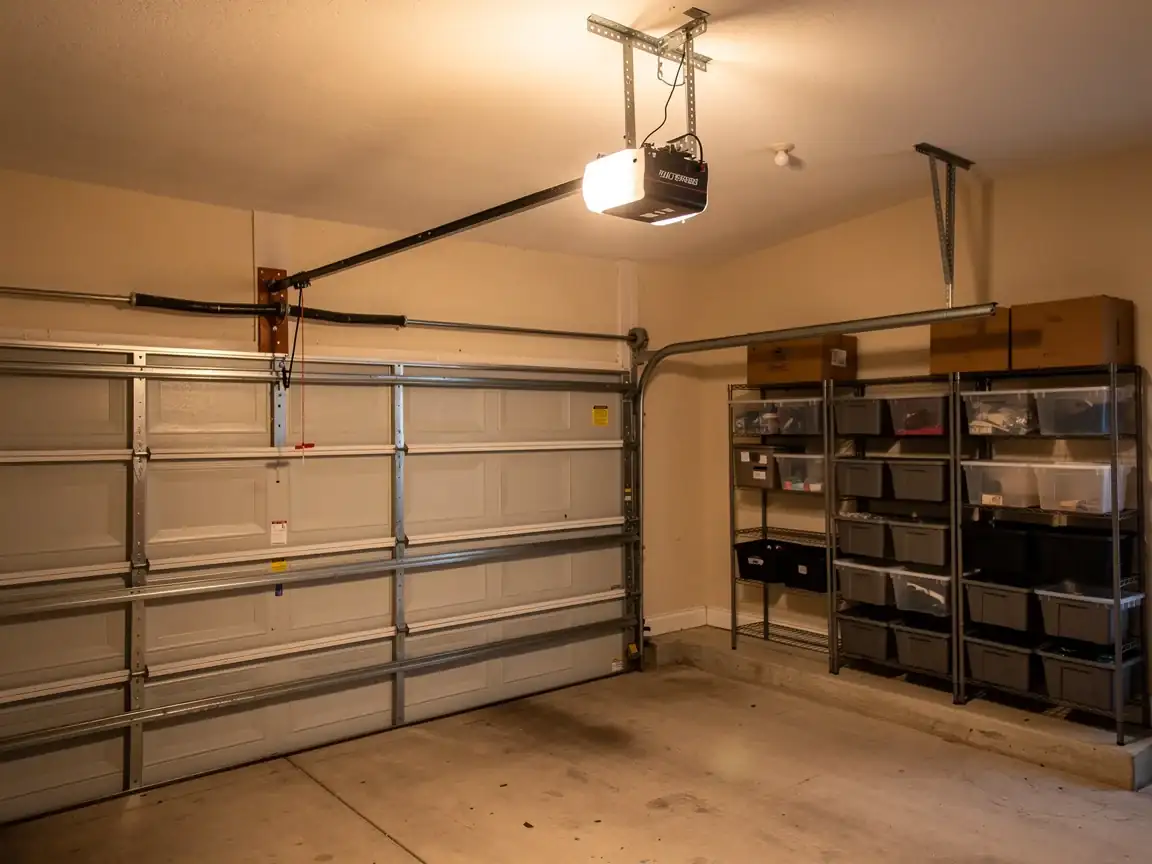
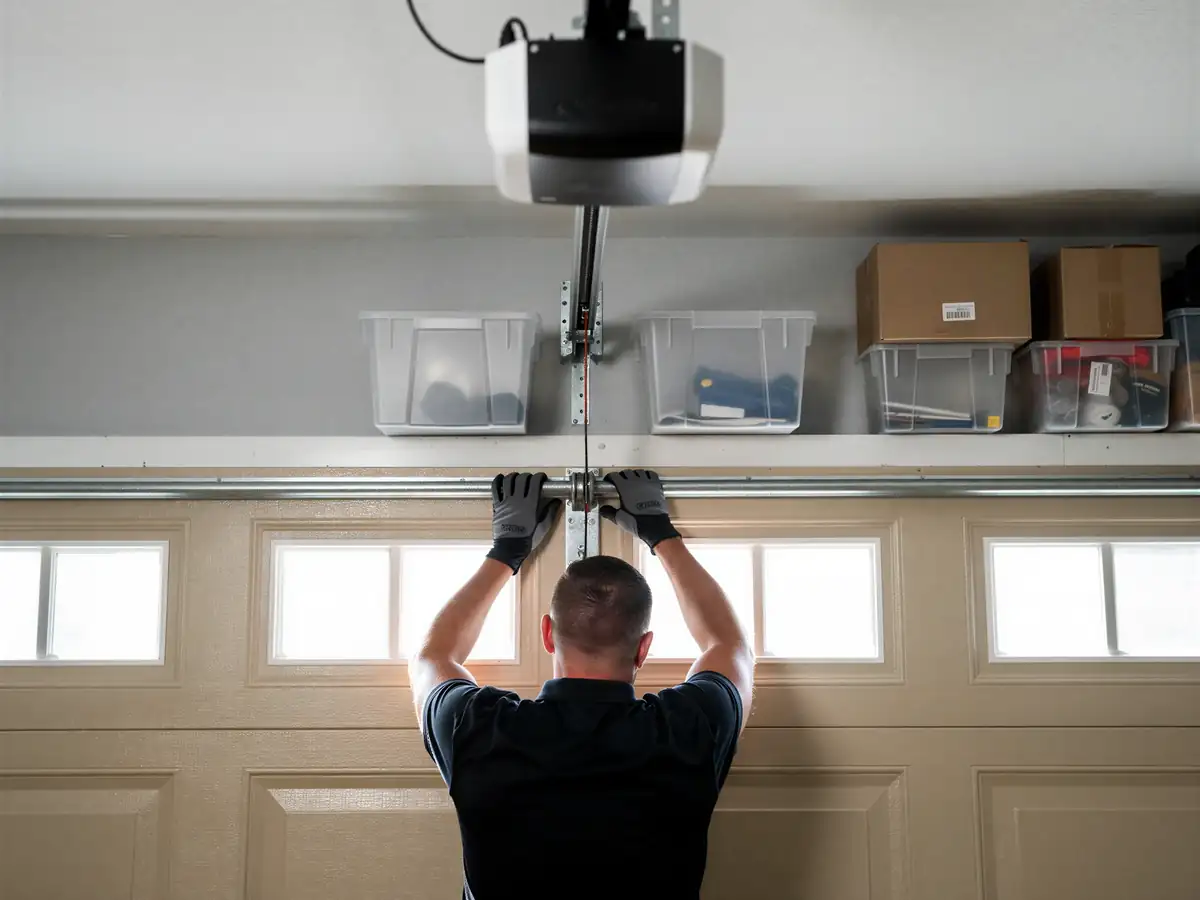
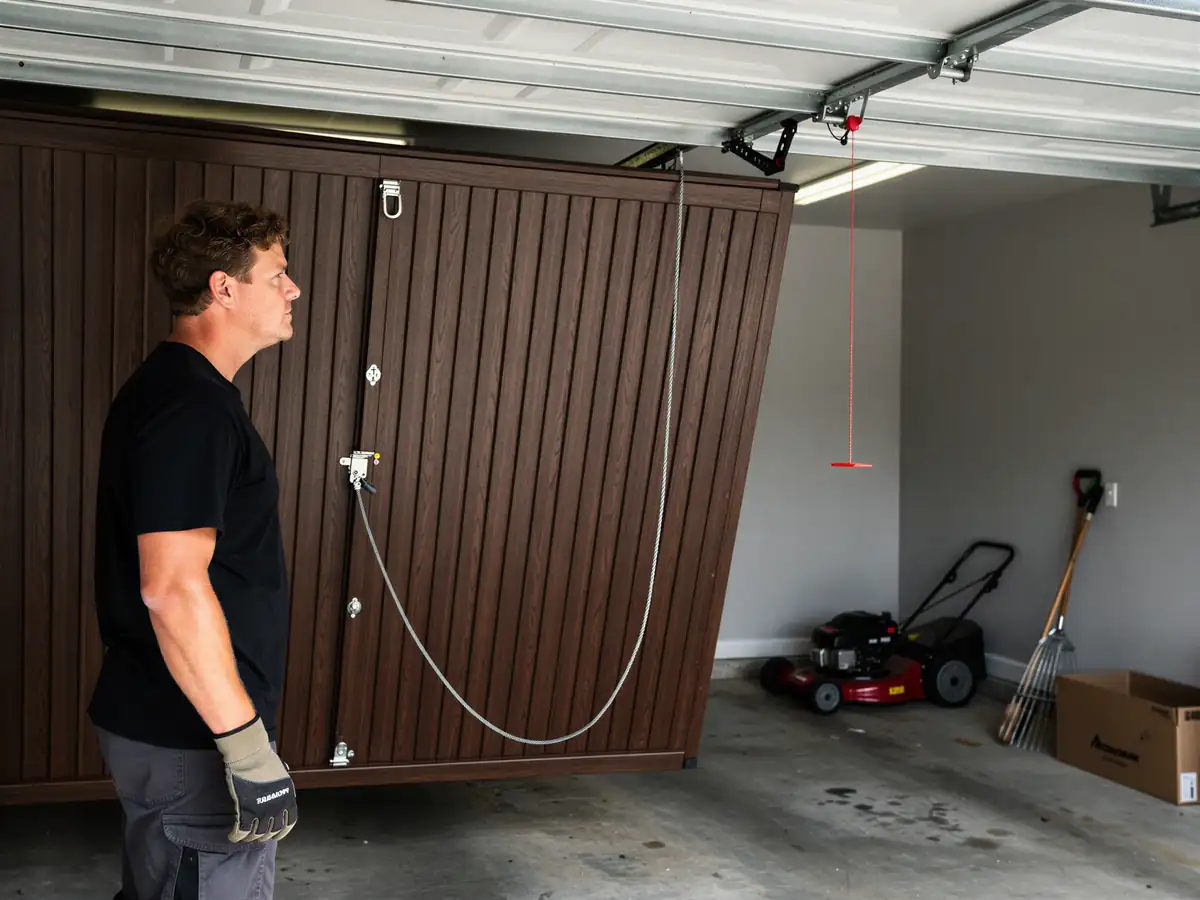
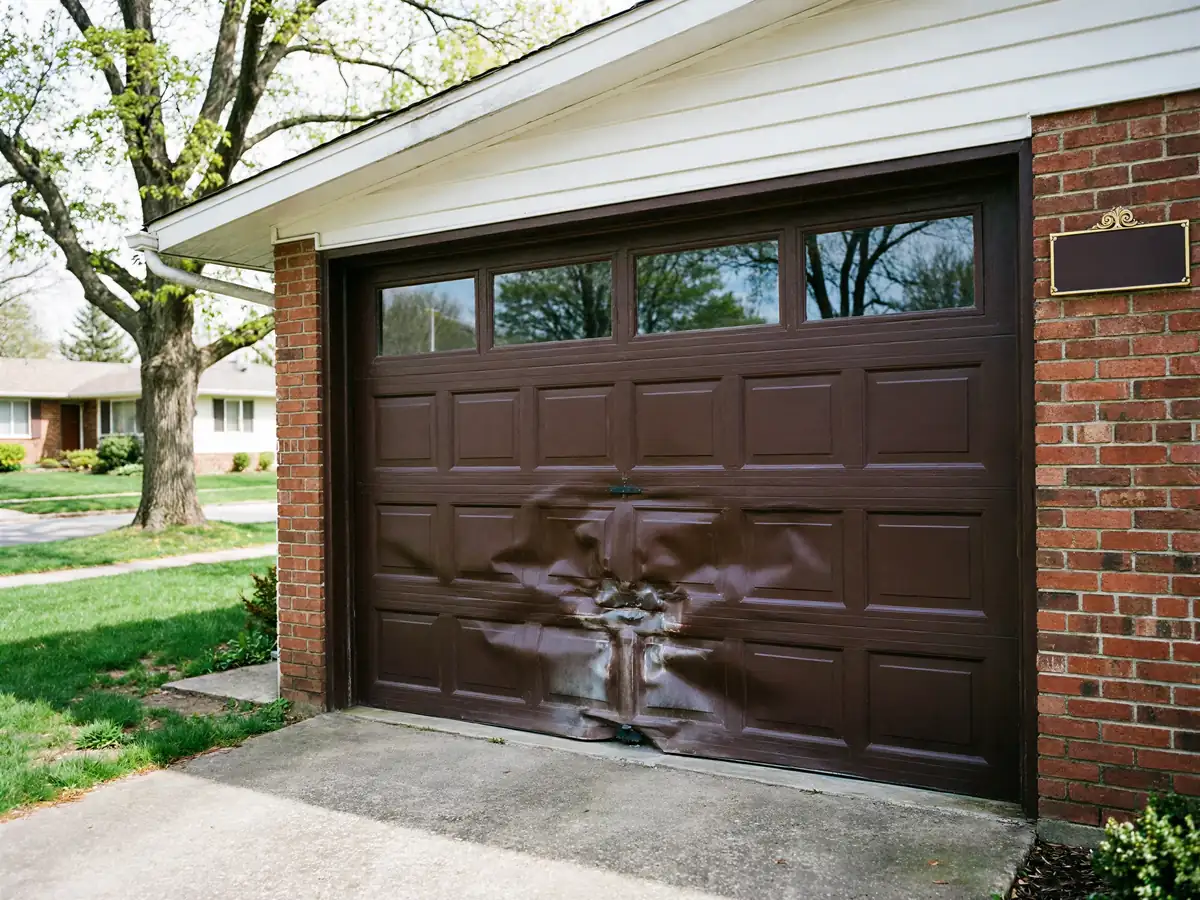
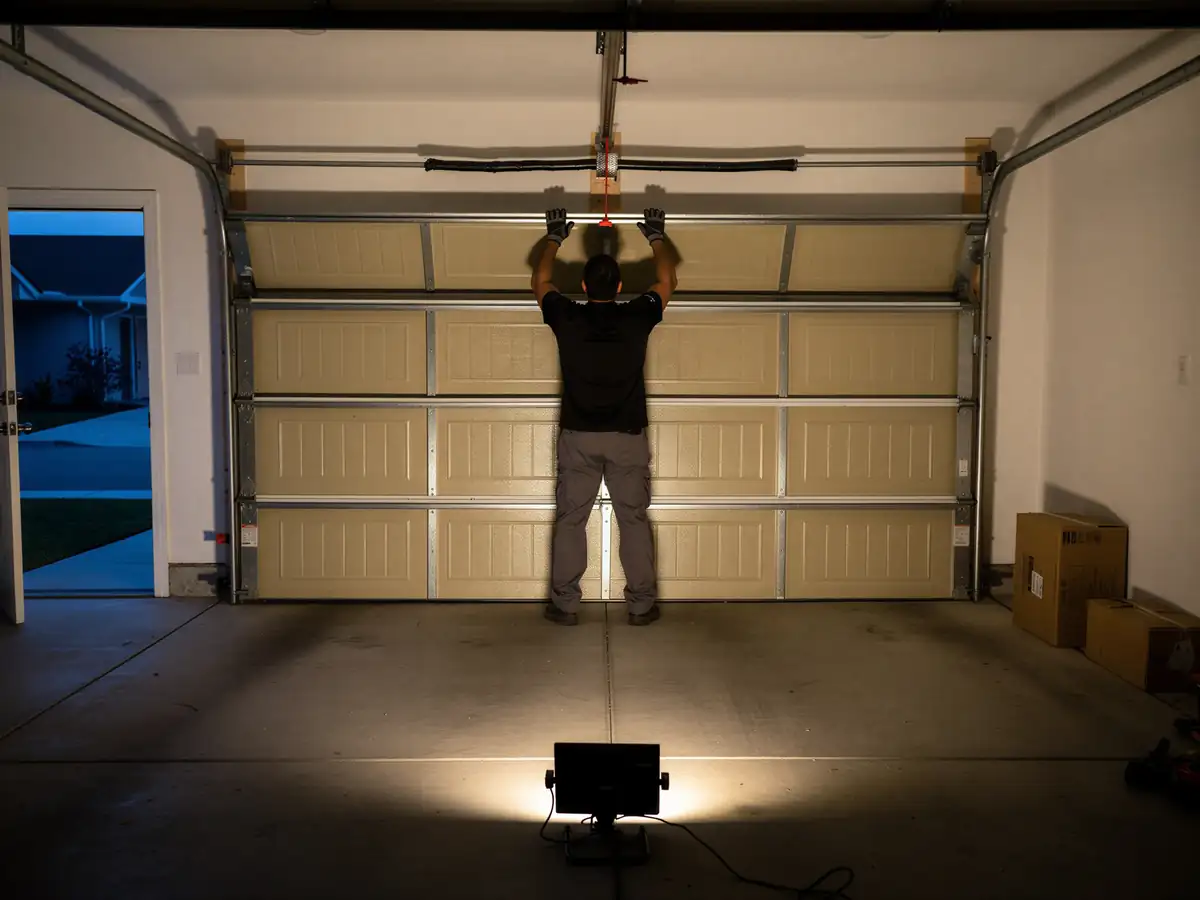
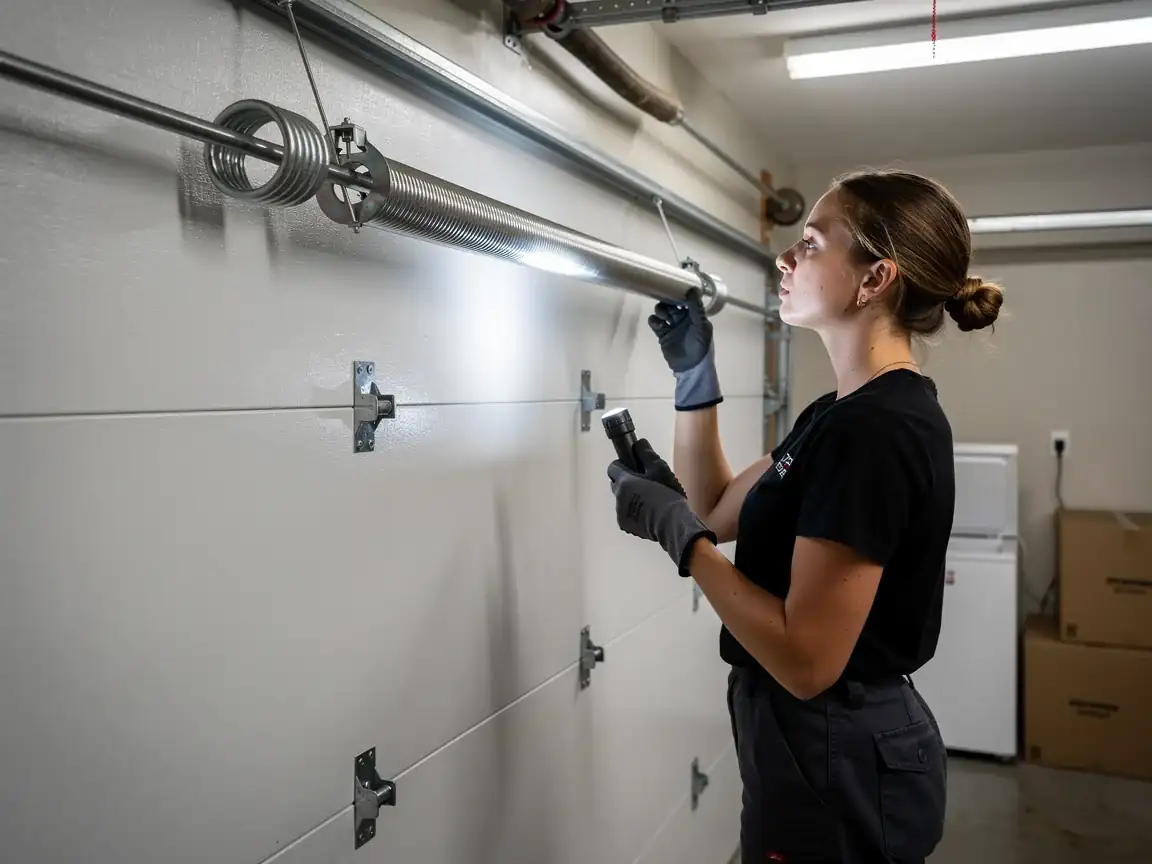
Carmel's median home was built around 1997, which puts most garage doors here right at the edge of their expected service life. The springs that shipped with a late-90s build are past the point where anyone should trust them without a second look, and that's the call we get most from this area: a torsion spring that let go on a cold morning, or an opener logic board from the original install finally giving out. We also see a fair number of openers that have been replaced once already but on the original track and rollers, which is its own kind of mismatch - a modern opener fighting hardware that's 25-plus years old doesn't last. Panel damage shows up too, usually from a backed-into door rather than weather, since this area doesn't get the hail or wind-driven debris that tears up doors in more exposed parts of the region. Across Carmel's roughly 38,160 households, the homes skew newer than a lot of the surrounding service area, so the failures we see are less about rot or warped wood doors and more about steel sectional doors reaching the end of their factory spring cycle count at close to the same time, street by street.
How We Get to You
We run out of Indianapolis, about 14 miles from Carmel, and that drive is part of how we schedule the day - not something we pretend isn't there. There's no Carmel depot and we won't tell you otherwise. What that means in practice is we batch calls in this area when we can, so if your spring breaks on a morning we're already routing trucks up this way, you're not waiting behind a half-day of city traffic. We don't promise a same-day window on every call; parts availability and how the rest of the day is routed both factor in. If you need an exact time, ask when you call and we'll tell you straight rather than guess.
The Houses Here
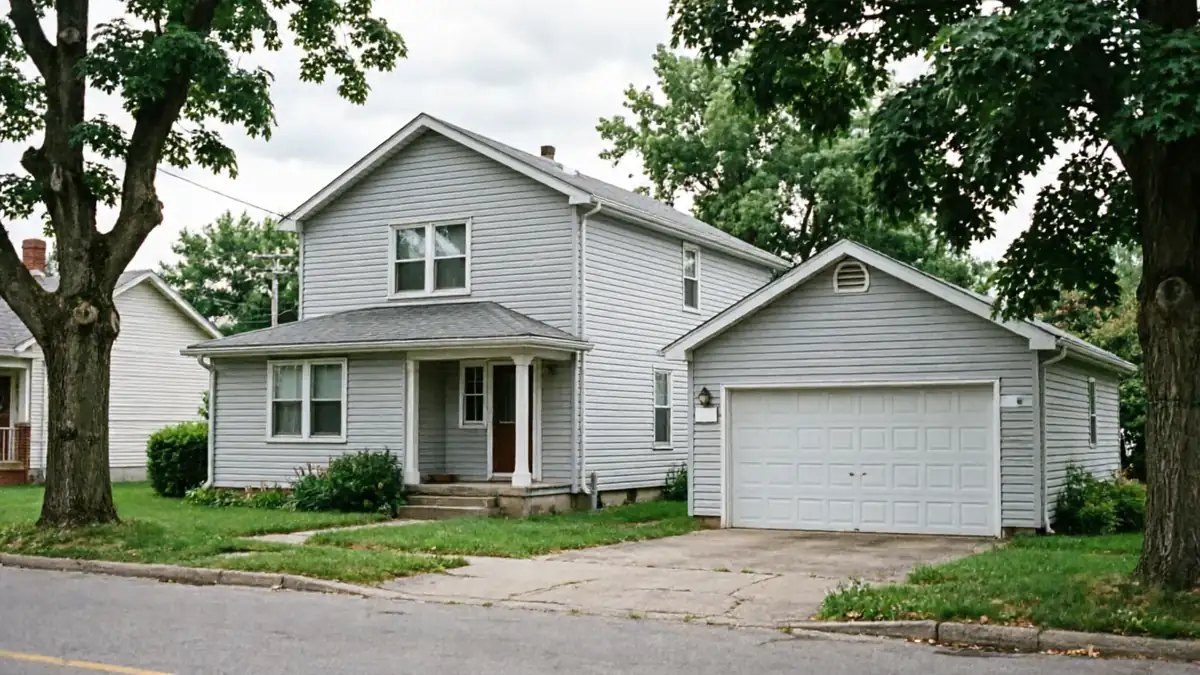
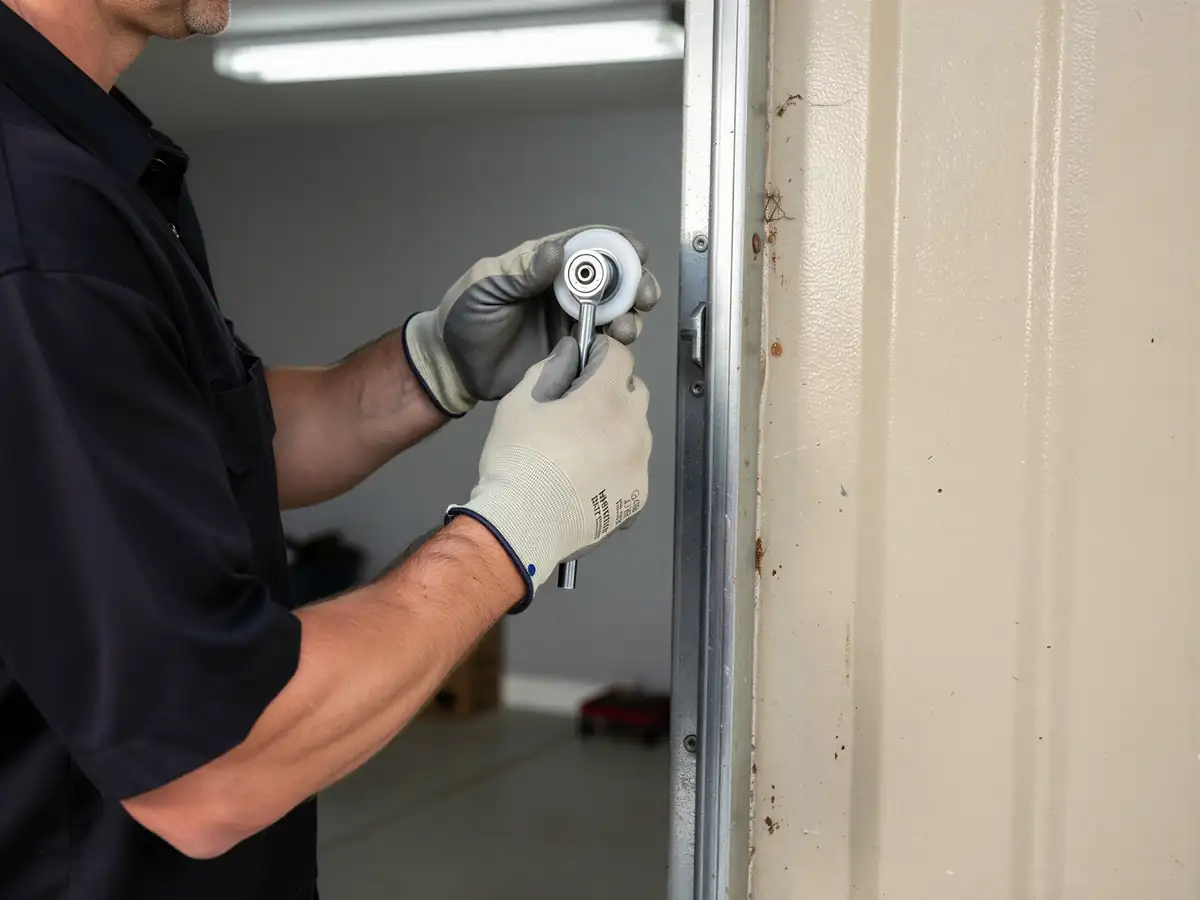
Carmel's housing stock centers on a median build year of 1997, and the broader service area runs 1997 through 2008 across its named sections, so Carmel sits on the early end of that range. That matters because garage door hardware specs shifted more than once in that decade - torsion spring wind counts, track gauge, and opener safety-reversal standards all moved during that window. A door installed in 1997 is running first-generation photo-eye safety sensors and a spring set sized to the original door weight, which isn't always what's hanging on the track today if a homeowner swapped to a heavier insulated door at some point. With median household income at $134,602 here, we also see more owners opting for full door replacement rather than patching an aging unit, since the cost difference between a repair and a new insulated door is smaller relative to the budget. Still, replacement isn't automatic - plenty of 1997-era doors are structurally fine and just need a spring, cable, or roller swap to run another decade.
What the Housing Means for Your Door
Given this region's cold winters, a late-1990s steel door without added insulation lets a lot of heat walk straight out of the garage, and that's worth knowing before you decide between fixing and replacing. Original springs from a 1997 install are well past the cycle count they were rated for, so if yours hasn't broken yet, it's closer to that point than a newer home's would be. One honest limitation: we don't stock every opener logic board model from that era on the truck, since manufacturers discontinue parts, and a same-visit fix sometimes isn't possible if your board is obsolete - in that case we'll talk through whether a new opener makes more sense than hunting for a part. If your home is one of the newer ones built toward 2008 in other parts of our coverage area, the hardware generation is different and the common failures skew more toward opener electronics than spring fatigue.
How it works
From “it’s stuck” to “it’s fixed”
01
Tell us what’s wrong
Describe the symptom - won’t open, loud bang, opener runs but the door won’t move.
02
On-site diagnosis
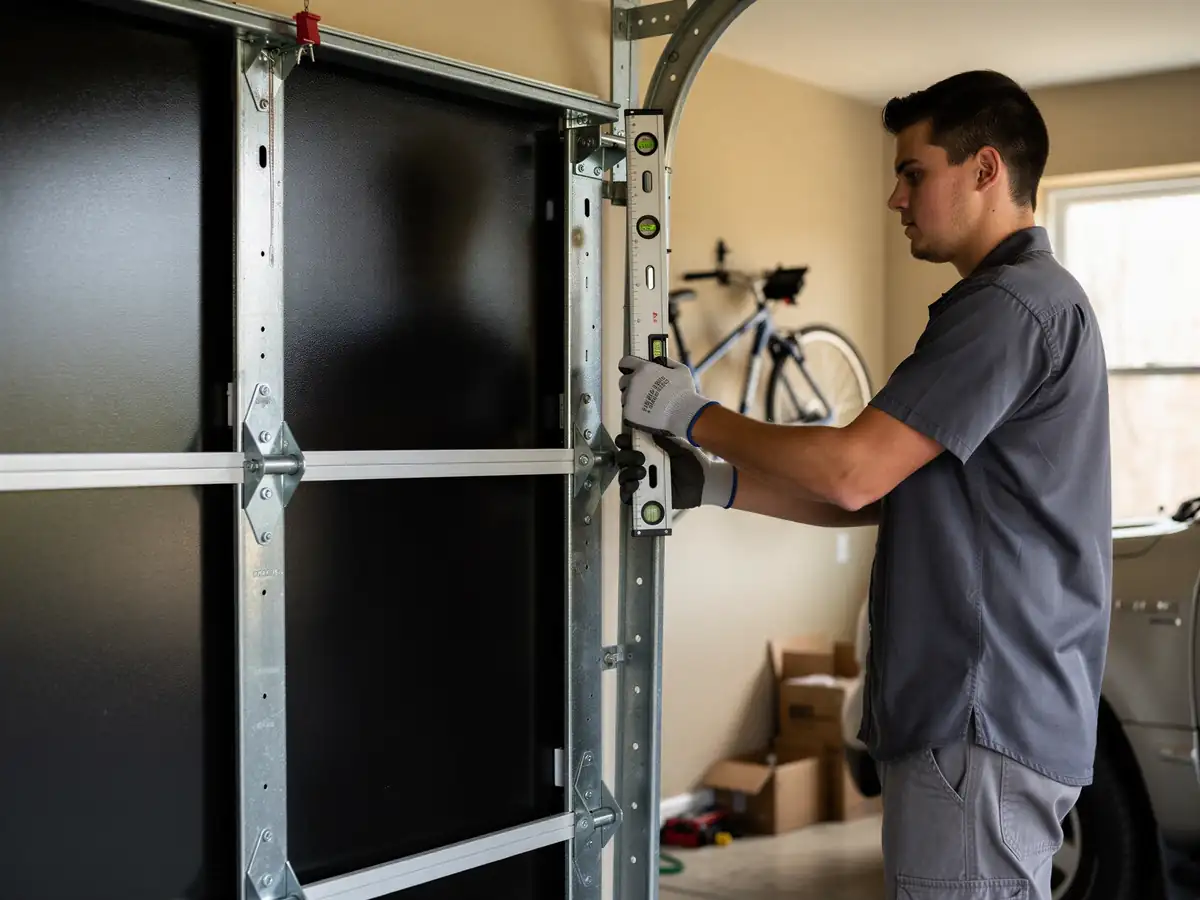
A technician tests the door under power and by hand and finds what actually failed.
03
Clear, up-front plan
You get the fix that’s needed and what drives the cost - before any work starts.
04
Repaired & tested
The repair is done, the door is set true and tested, and the work area left clean.
Not sure which repair your door needs in Indianapolis, IN? Describe what it’s doing - every job starts with a diagnosis.
Straight answers about garage door repair in Indianapolis. Still unsure? Ask us directly.
Why do so many Carmel garage doors need springs around the same time?
Most houses in Carmel were built close to 1997, and torsion springs are rated for a set number of open-and-close cycles, not years. Doors installed in the same construction wave tend to hit that cycle limit in the same stretch of years, which is why spring failures in this area often cluster rather than happen one-off.
Do you have a shop in Carmel?
No. We run out of Indianapolis, about 14 miles away, and travel to Carmel for calls. We don't keep a local depot here, so scheduling depends on how the day's routes line up.
Is it worth replacing a 1997-era door instead of repairing it?
It depends on the door. If the panels and track are sound, a spring or roller repair can add years of service. If the door lacks insulation and you're dealing with repeated hardware failures, replacement often makes more financial sense here given the age of the original equipment.
Can you fix an opener from the original home build?
Usually, but not always. Opener logic boards from the late 1990s are sometimes discontinued, and we don't carry every obsolete part on the truck. When that happens we'll walk you through repair options versus replacing the opener outright.