Garage Door Service for Zionsville's Original Hardware
Zionsville homes built around 1998 still run original springs and openers. We drive 18 miles from Indianapolis to fix the hardware builders installed, not swap it blind.
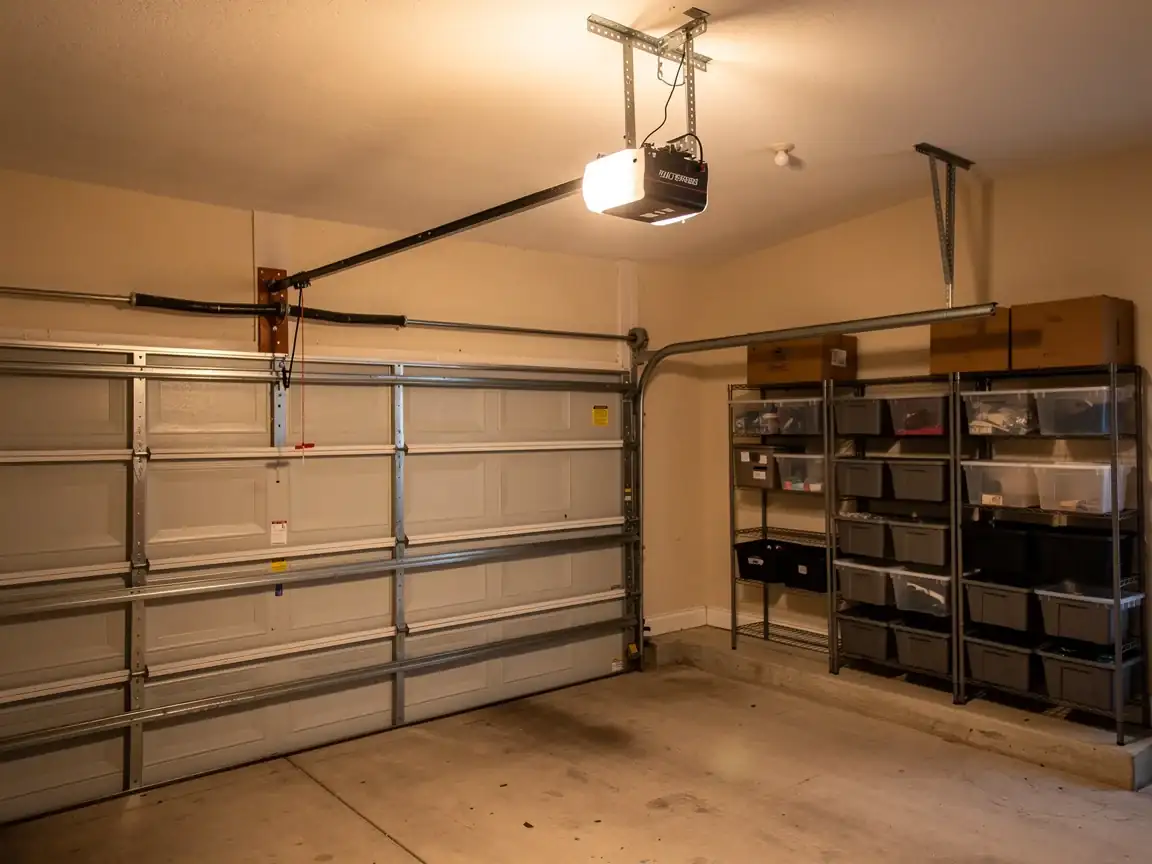
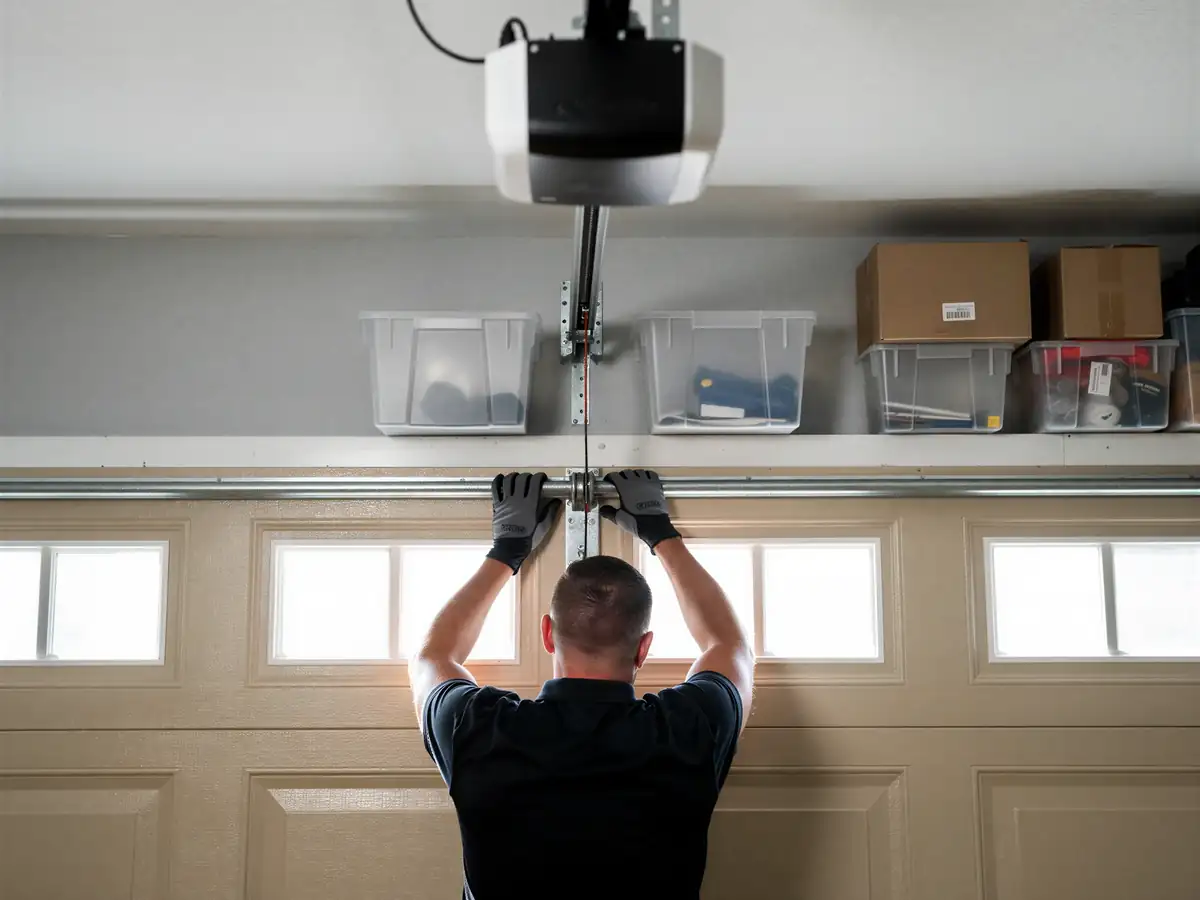
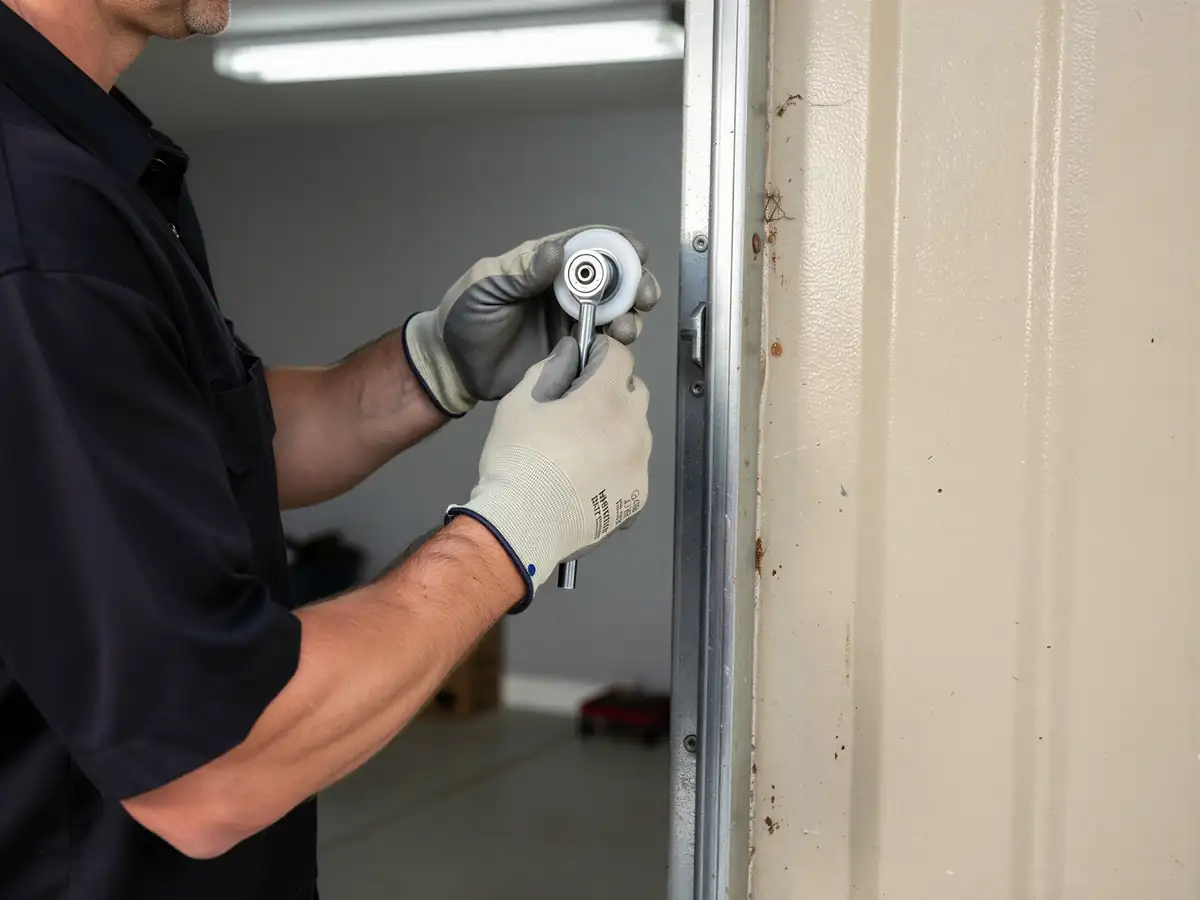
Most of Zionsville went up around 1998, which means the garage door hardware on a lot of these houses is the same hardware the builder hung, not a replacement. We carry torsion springs sized for the double and single door spans that were standard in that era, plus the steel rollers and lift cables that wear out first on a door nobody has touched in over two decades. We also stock the common opener drive gears and belt kits, because a 1998-era chain drive opener is usually on its second or third gear set by now, if it's been serviced at all. What we don't carry is anything exotic - these are standard residential torsion setups, not custom estate doors, so the truck is built around parts that fit what's actually out there, not a guess.
The Complications
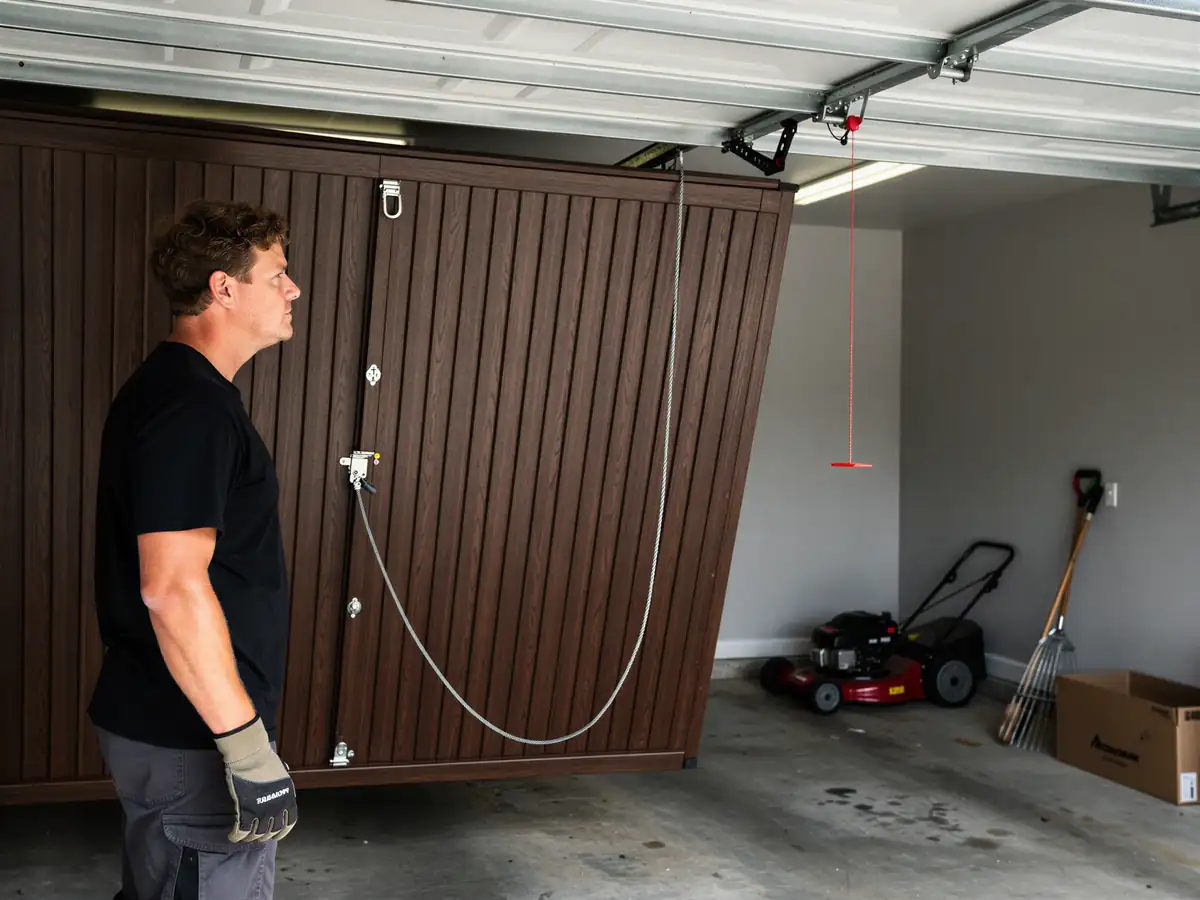
The complication in a neighborhood built mostly in one stretch of years is that everything fails around the same age. A spring rated for 10,000 cycles installed in 1998 is well past its rated life by now whether or not the door shows any sign of trouble, and a lot of homeowners don't know that until the spring snaps and the door won't budge. On top of that, winters here are classified as cold-severe, and steel springs that have never been replaced lose temper faster through repeated freeze-thaw cycling than people expect. The other wrinkle is that original rollers on a 25-year-old track have usually worn the track lip just enough that swapping in modern nylon rollers alone doesn't fix the binding - the track itself sometimes needs adjustment or replacement at the same visit, which is a different job than the homeowner called in for.
Why It Happens Here
Zionsville's housing stock clusters tightly around a build year of 1998, almost two decades ahead of the newer construction you'd find in some of the other towns we cover, and a household income median over $159,000 here means a lot of these garage doors were the mid-to-upper trim level sold at the time - heavier insulated panels, double-car spans, openers with the features that were premium then and are baseline now. Heavier original doors put more strain on springs that were never upgraded. Combine a cold-severe climate with hardware that's outlasted its intended service life by a decade or more, and you get a town where the failure we see most isn't a new installation issue, it's metal fatigue in parts nobody thought to check because the door still opens most of the time, until it doesn't.
What the Fix Involves
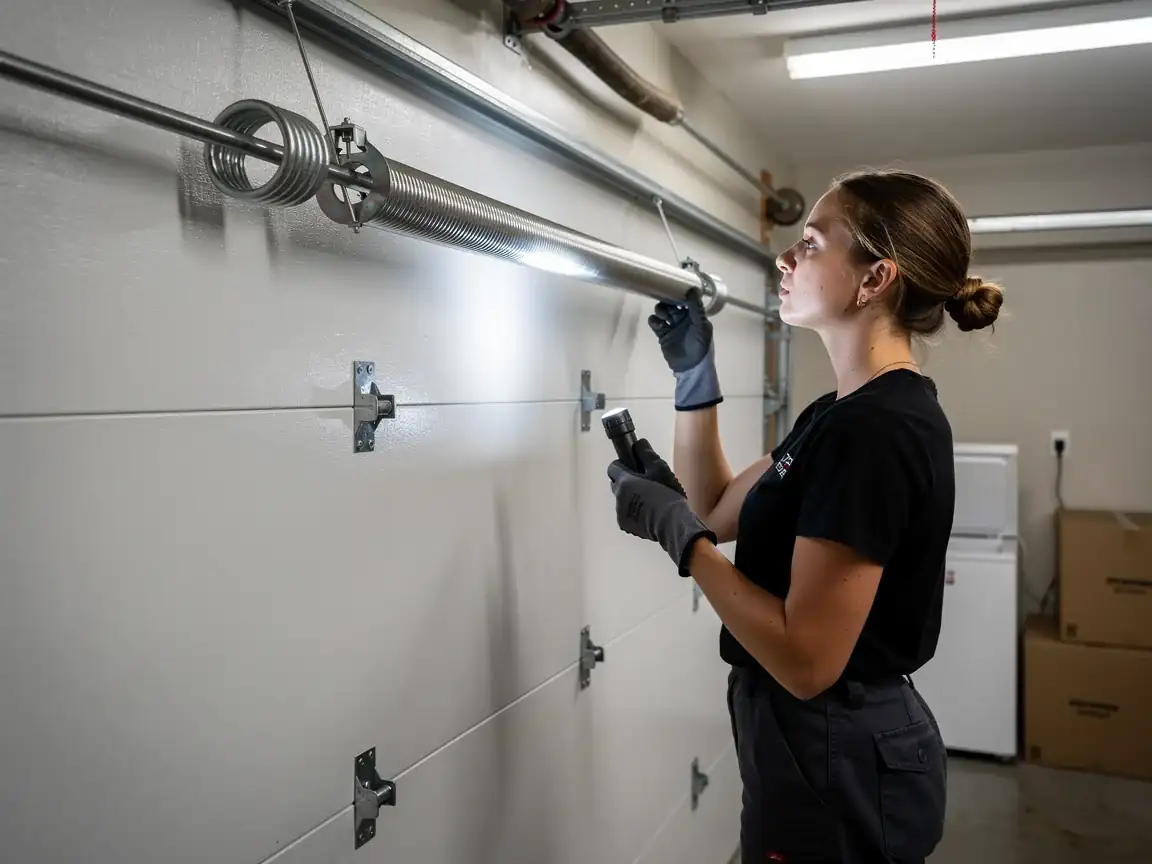
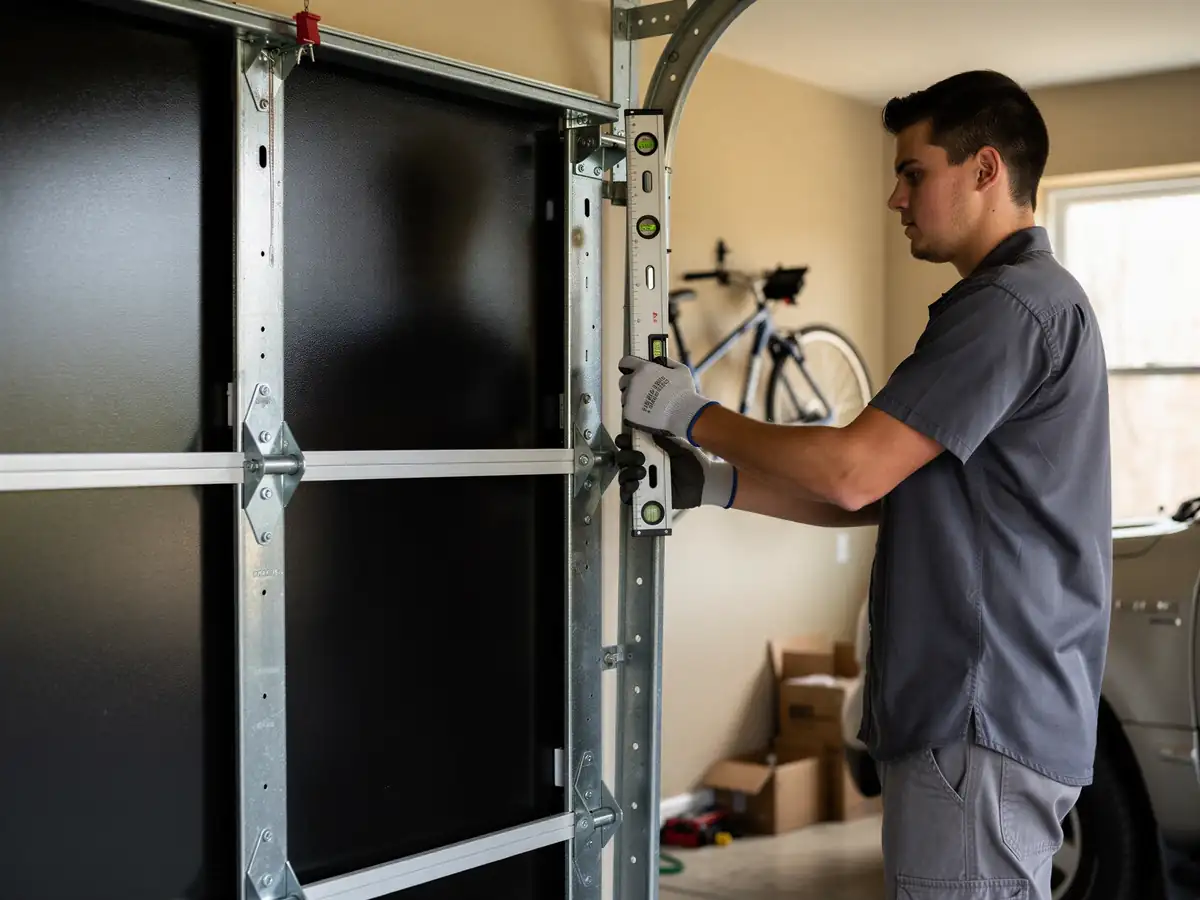
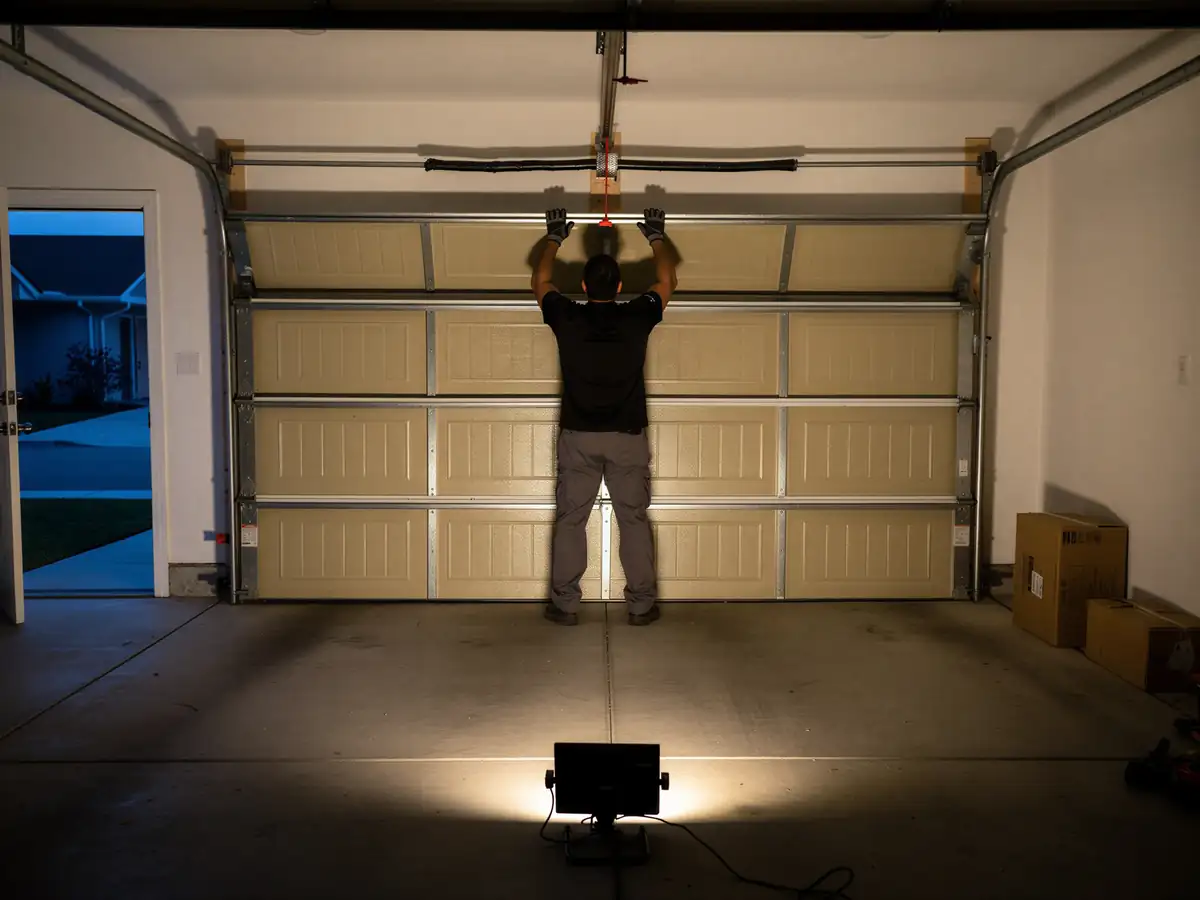
On a call like this we start by identifying what's original versus what's been touched - cable fraying, roller wear pattern, and spring coil spacing tell us most of that without needing any paperwork. If the springs are original to a 1998 install, we replace them as a pair even if only one has failed, because the other is on the same clock. We check the track alignment while the door's open, since a track that's been quietly bending for twenty-plus years under a heavier insulated panel won't show up until the new springs put full tension back on it. Openers get a gear and belt inspection as part of the same visit if the unit itself is original, since a new spring set under an old, worn opener drive just moves the next failure down the road a few months.
How Long It Takes
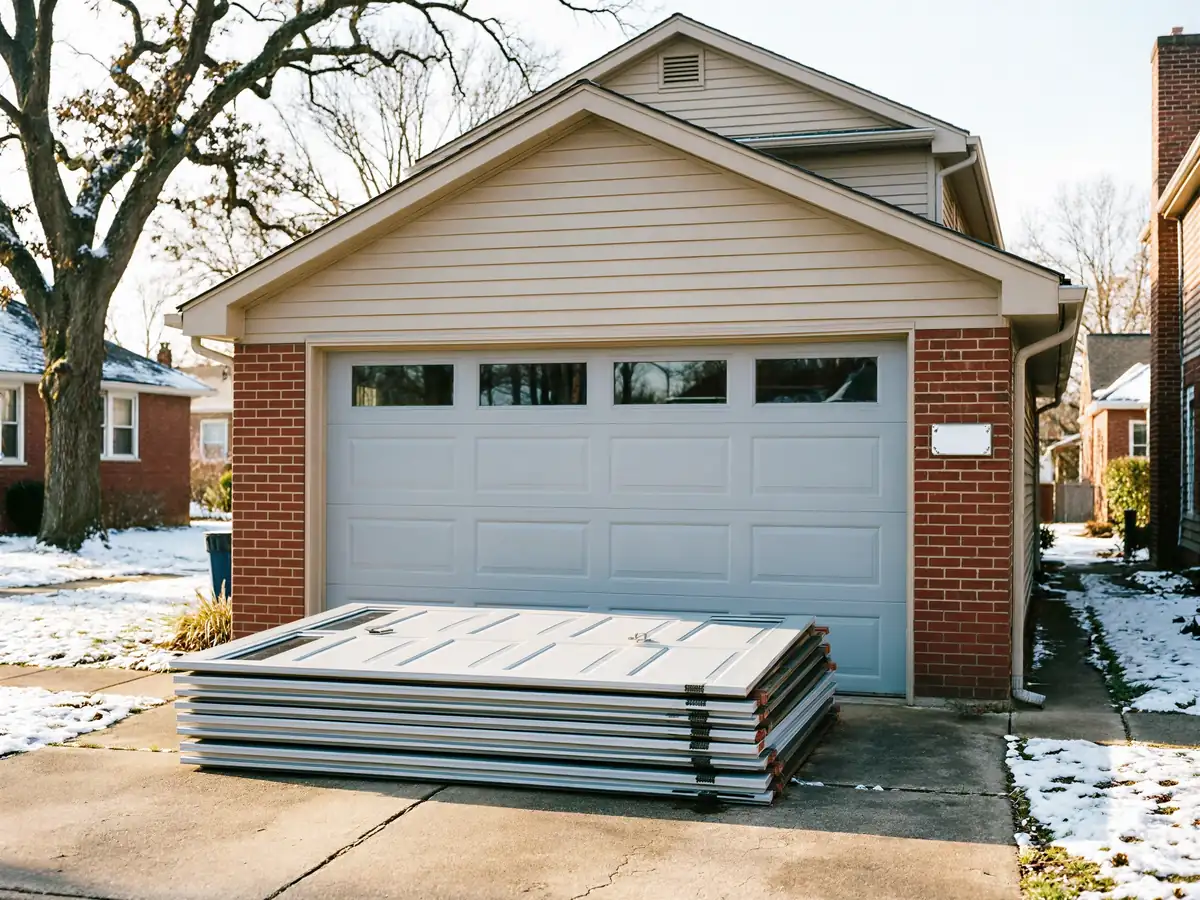
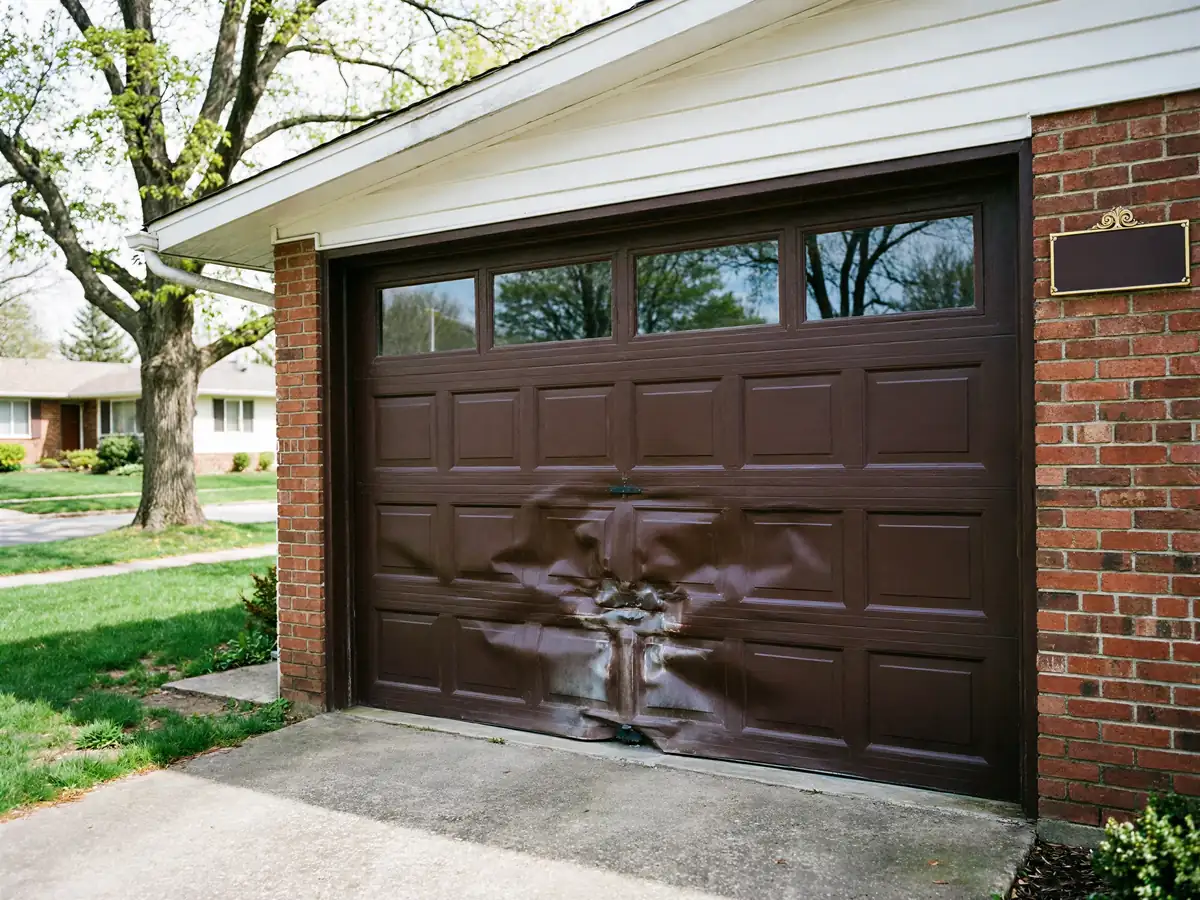
We work out of Indianapolis, about 18 miles out, so the drive itself adds a bit of time compared to a call closer in, but it's not a factor we build the job estimate around - the work on the door takes the same amount of time whether we drove 5 miles or 18. A straight spring replacement on original hardware is usually a same-visit job. Where it runs longer is when the track needs correction or the opener gear has stripped, since that's a second repair stacked on the first rather than a quick swap. One honest limit: if the original door panels themselves are warped or the insulation has broken down after this many years, replacement is usually the better call than continuing to repair a door this old piece by piece, and we'll say so rather than keep patching it.
How it works
From “it’s stuck” to “it’s fixed”
01
Tell us what’s wrong
Describe the symptom - won’t open, loud bang, opener runs but the door won’t move.
02
On-site diagnosis
A technician tests the door under power and by hand and finds what actually failed.
03
Clear, up-front plan
You get the fix that’s needed and what drives the cost - before any work starts.
04
Repaired & tested
The repair is done, the door is set true and tested, and the work area left clean.
Not sure which repair your door needs in Indianapolis, IN? Describe what it’s doing - every job starts with a diagnosis.
Straight answers about garage door repair in Indianapolis. Still unsure? Ask us directly.
Is my garage door spring original to the house if it was built in the late 1990s?
Likely yes, unless a previous owner had it replaced after a failure. Torsion springs are rated for a cycle count, not a calendar date, but a spring installed around 1998 has almost certainly passed its rated life by now even if it hasn't broken yet. We check coil spacing and wear to tell you which you're dealing with.
Why does my opener grind but still open the door?
On original 1990s-era openers, that's usually a worn drive gear, especially on chain-drive units that have never had the gear replaced. The motor still runs fine because the gear is a separate wear part. We inspect it as part of any spring call if the opener looks original.
Do you have a shop in Zionsville?
No, we run out of Indianapolis, about 18 miles away. The drive doesn't change what the repair involves or how we price the parts and labor once we're there.
Should I replace or repair an original 1998 door?
If the panels are still straight and the track is sound, repairing the springs, rollers, and opener gear is usually the better value. If the panels are warped or the insulation has broken down, replacement tends to cost less over time than repeated patching.