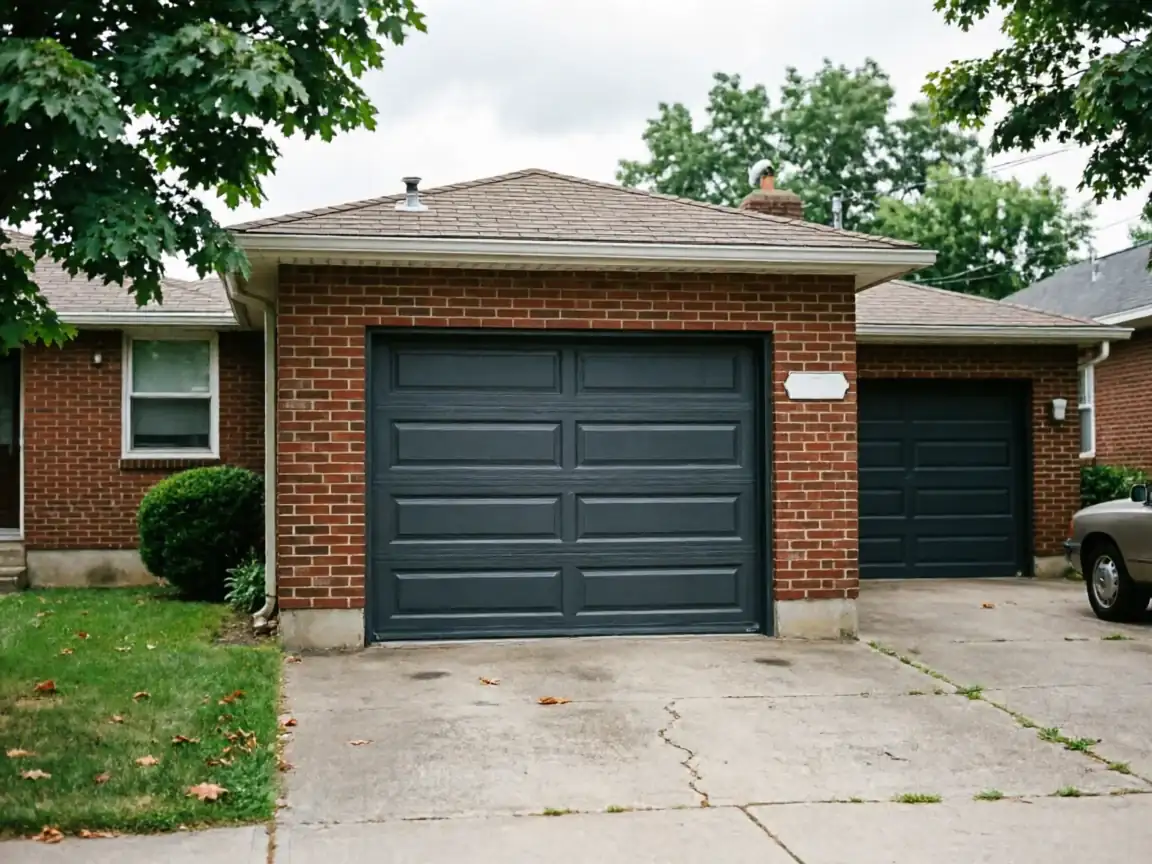
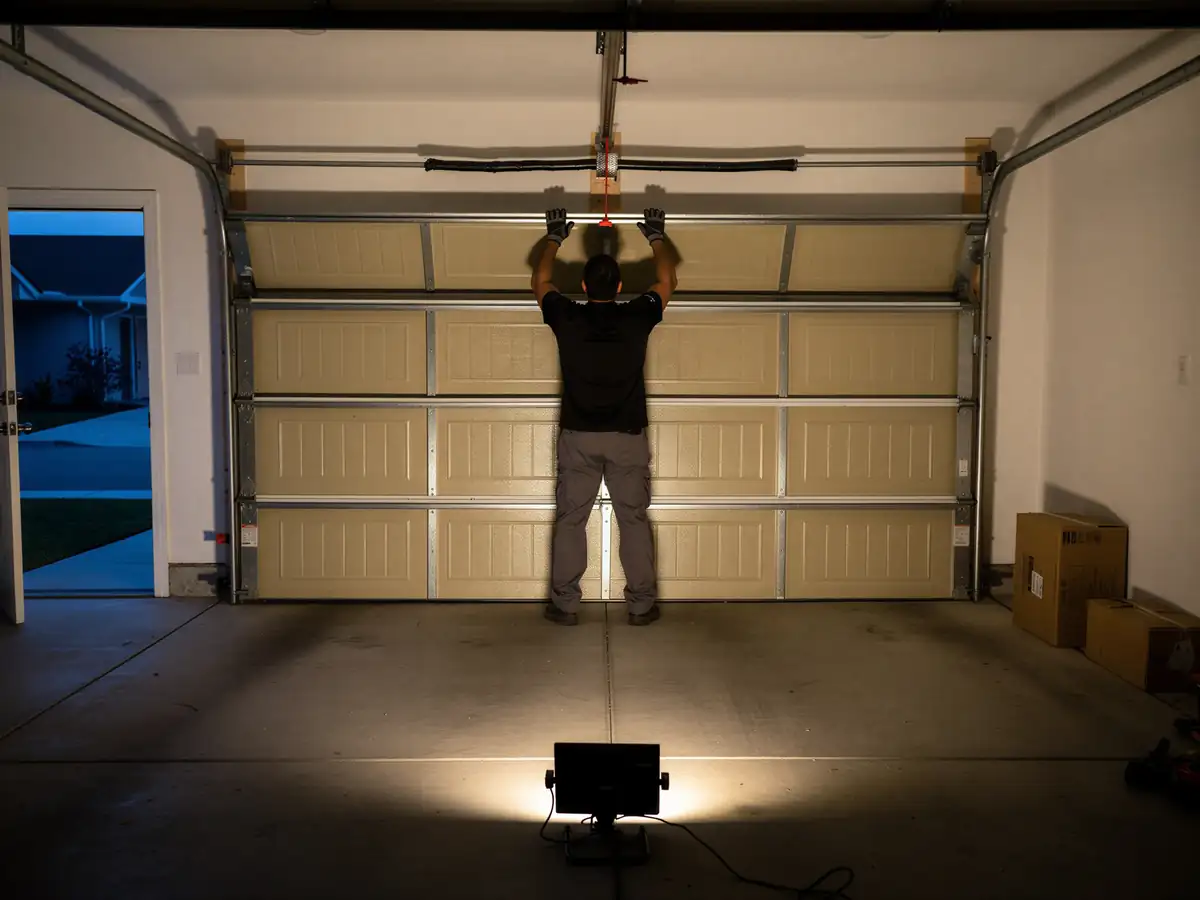
Zionsville homes built mostly around 1998 are hitting original-roller end-of-life. We drive the 18 miles from Indianapolis with steel and nylon rollers stocked and ready.
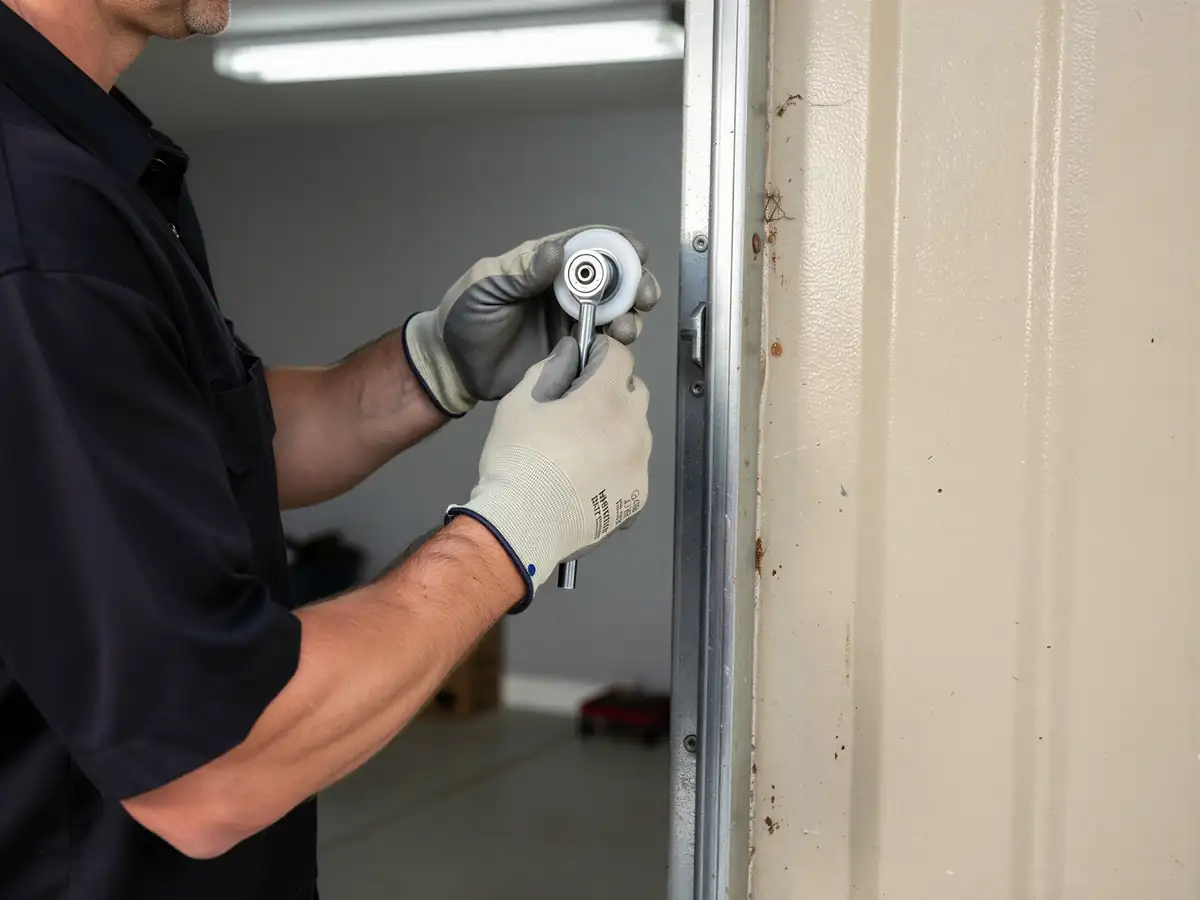
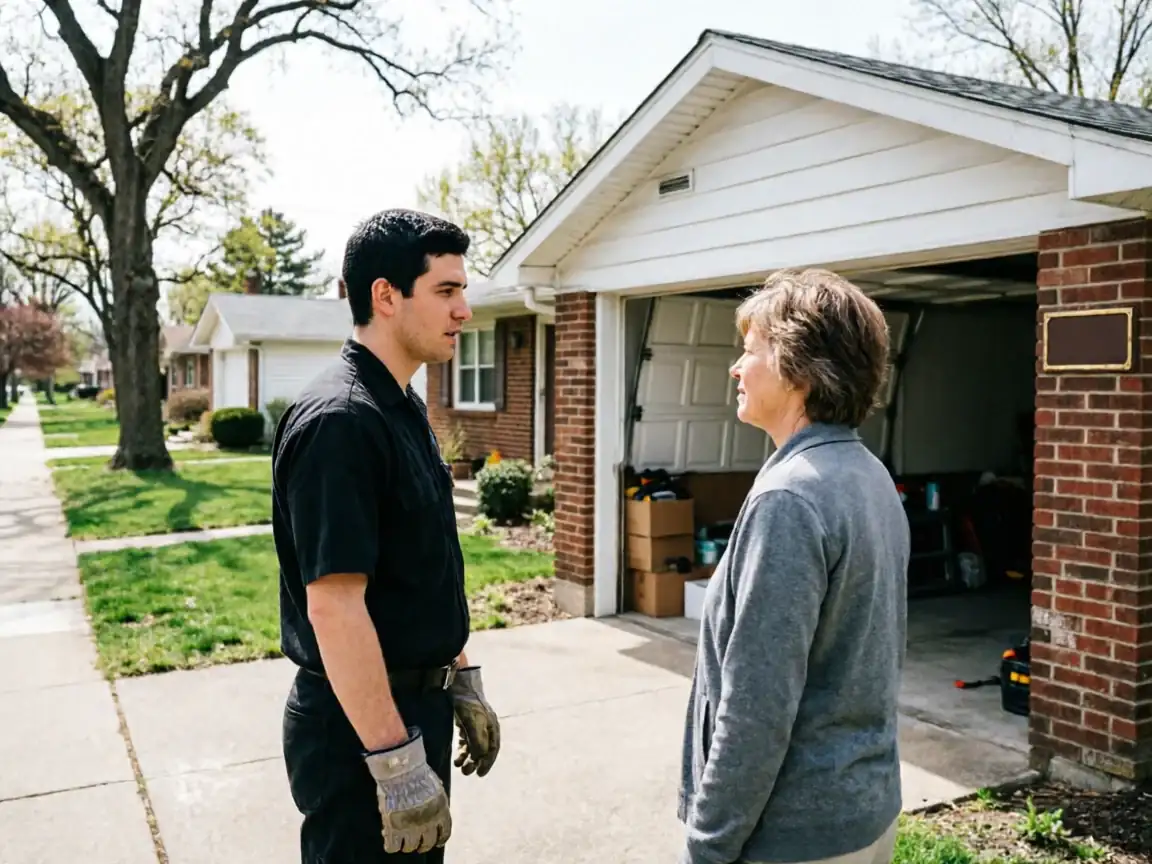
Zionsville sits about 18 miles from our Indianapolis shop, and the truck that makes that drive carries both roller types because the houses out here split between two eras. Most of the broader service area's stock dates from the 2000s, but Zionsville's median build year runs a touch earlier, around 1998, which puts a good share of garage doors right at the point where their original steel rollers are worn past the point of grease fixing anything. We carry sealed-bearing nylon rollers in the common stem lengths, galvanized steel rollers for owners who want to match what's already on the door, new roller brackets, and the stem clips and cotter pins that go with them. We also bring short lengths of track, because a roller that's been grinding for a year usually takes a bite out of the track flange on its way out, and swapping the roller without checking the track is half a repair.
We don't load every bracket style that exists. If a door uses a proprietary bracket from a builder-grade line that's been discontinued, we may need to order the part rather than carry it blind, and that's a lead-time conversation we'll have with you before we start, not after.
The Complications
01
A door built around 1998 has usually had its rollers running for over 25 years
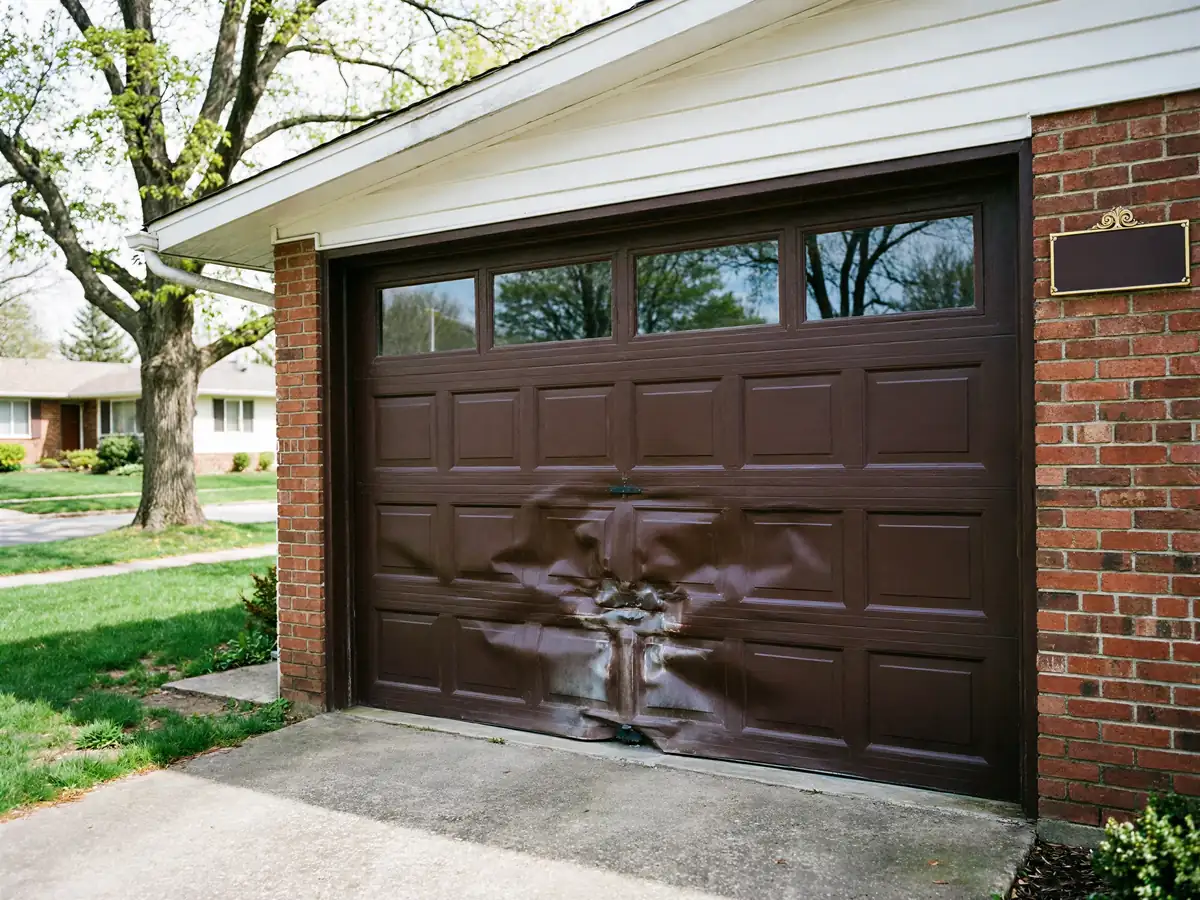
Which is long enough that the wear isn't limited to the roller itself. The stem can groove where it rides in the bracket, the bracket holes elongate, and the track - especially the bottom few feet where the door takes the most travel - picks up dents and rust pitting. Swap a roller into a damaged track and it'll ride rough for a month and fail again. We check all three before we quote the job as a roller swap instead of a roller-plus-track repair.
25 years
02
The other complication in this climate band is cold-weather stiffening
Grease that's thickened by a hard winter makes a worn roller feel like a seized one, and a homeowner calling about a 'frozen' door in January sometimes has a roller problem that's been building for two winters, not a new failure. We separate the two before quoting anything.
Why It Happens Here
Zionsville's housing stock centers on 1998, slightly ahead of the 2000s-heavy pattern that covers most of this service area. That earlier build date means more doors are now past the original hardware's working life, and original builder-grade rollers were rarely the sealed-bearing type - they were plain steel on a steel track, which wears faster and louder. Add a cold-and-severe climate band, where winter temperature swings make the steel contract and expand against the track dozens of times a season, and you get roller wear that shows up as noise and rough travel well before the roller actually seizes.
Household income here runs well above the regional median, and we mention that only because it changes what people ask for: more Zionsville owners opt for the nylon upgrade across all four rollers rather than a steel-for-steel swap, since the quiet ride matters to them and the price difference is small against the rest of the job.
What the Fix Involves
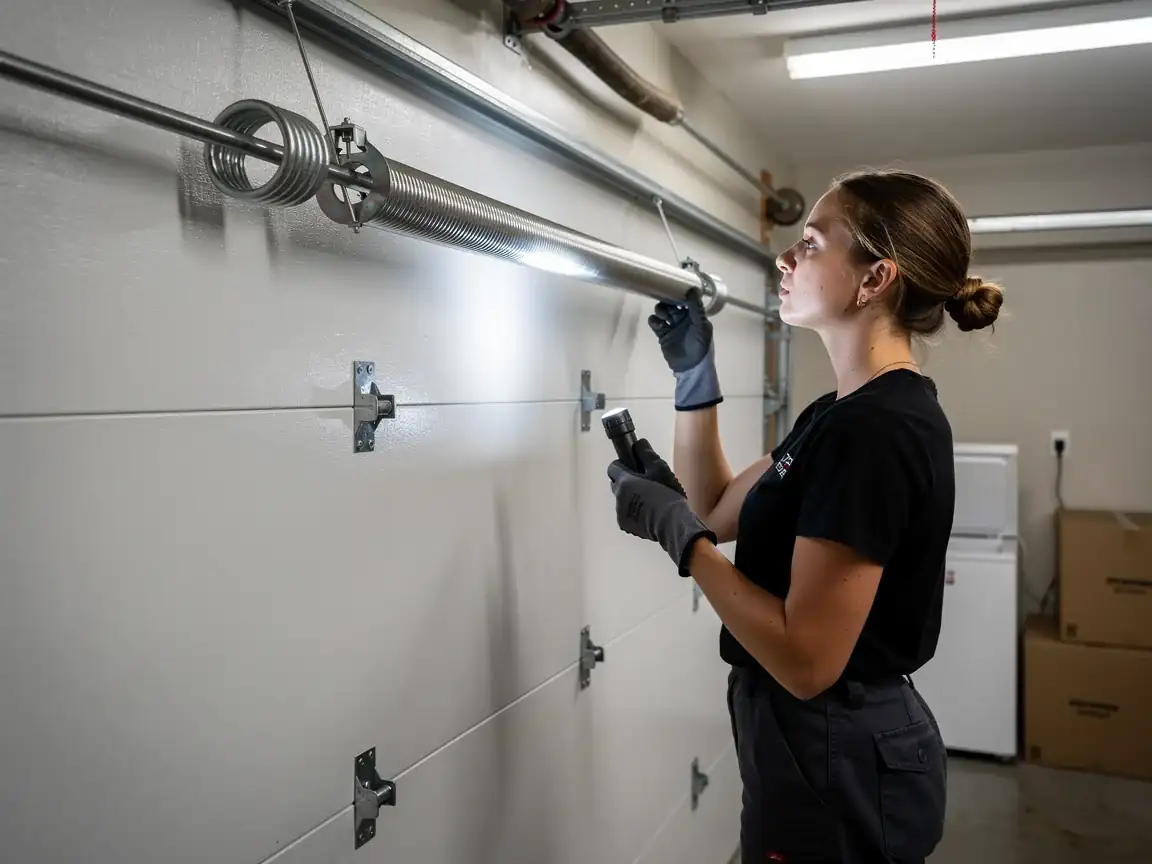
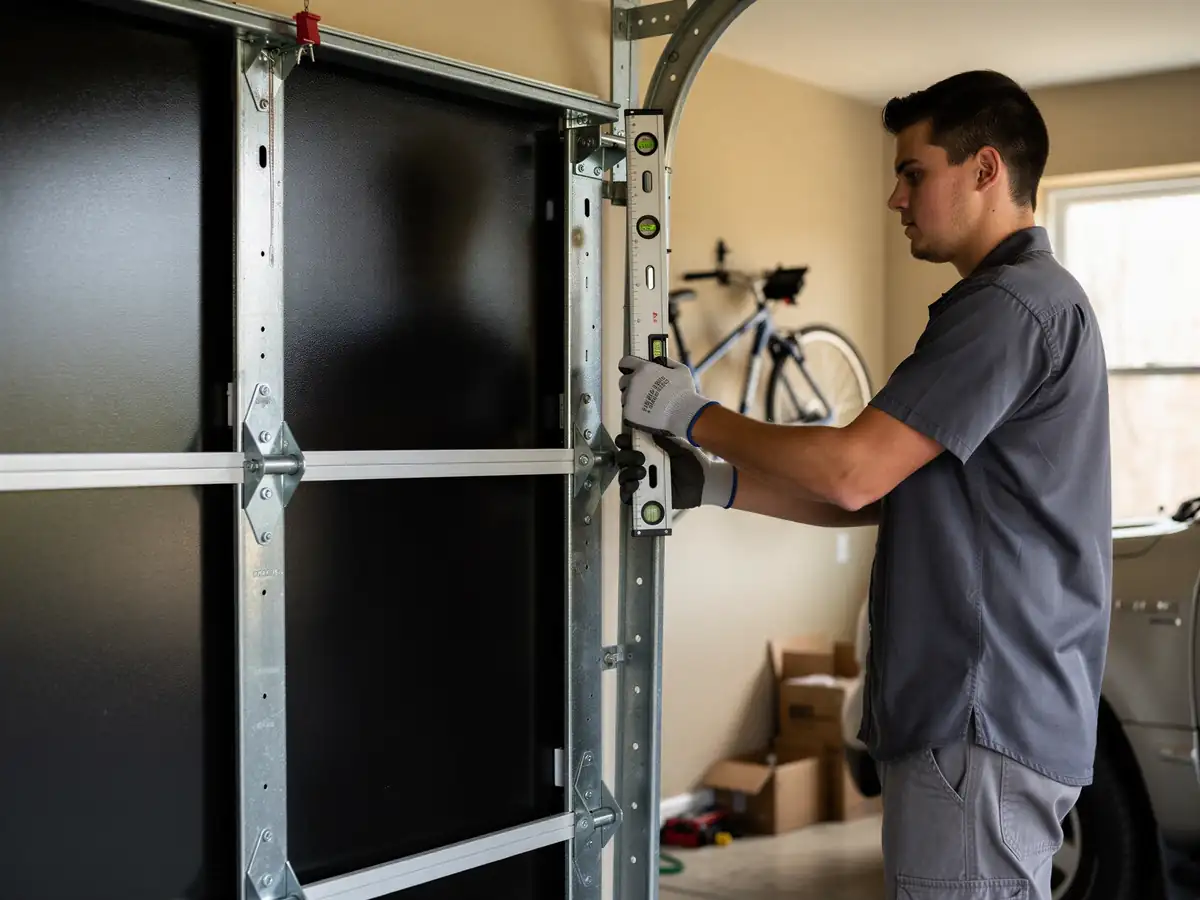
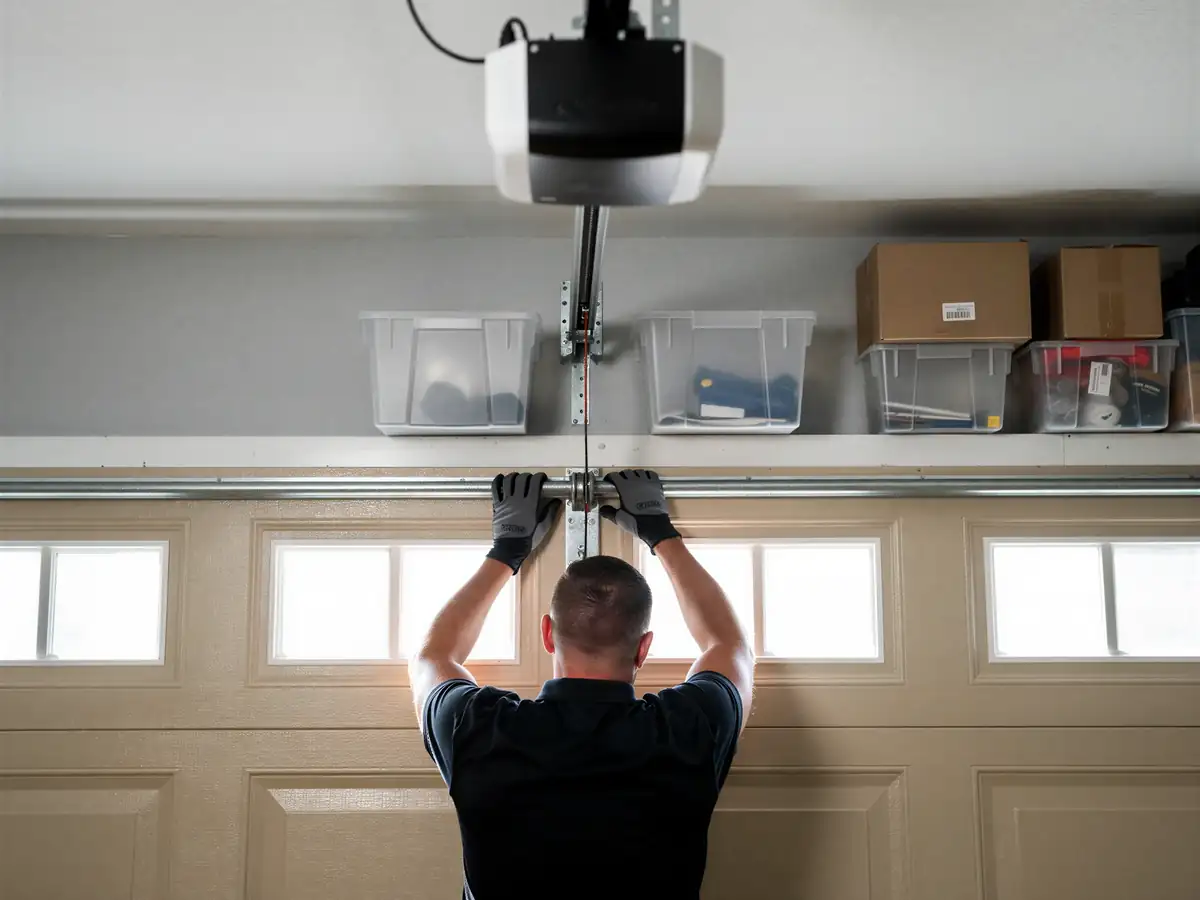
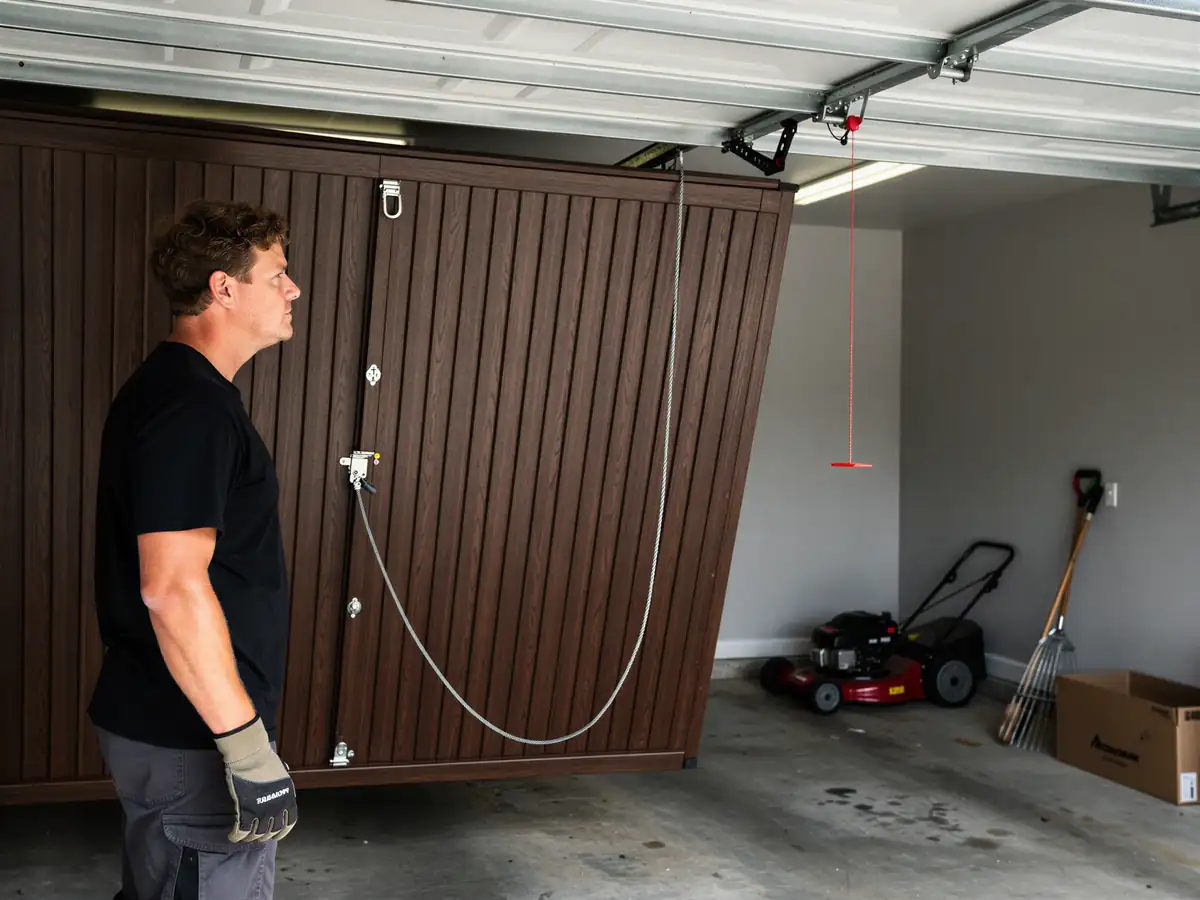
We release spring tension, disconnect the opener arm, and walk the door up by hand so nothing is under load while we work. Each roller comes out of its bracket one at a time - we never pull all four at once, since that lets the panel shift out of alignment in the track. We inspect the stem and bracket as each roller comes out, and we check the track section it rode in for dents, rust, or bowing.
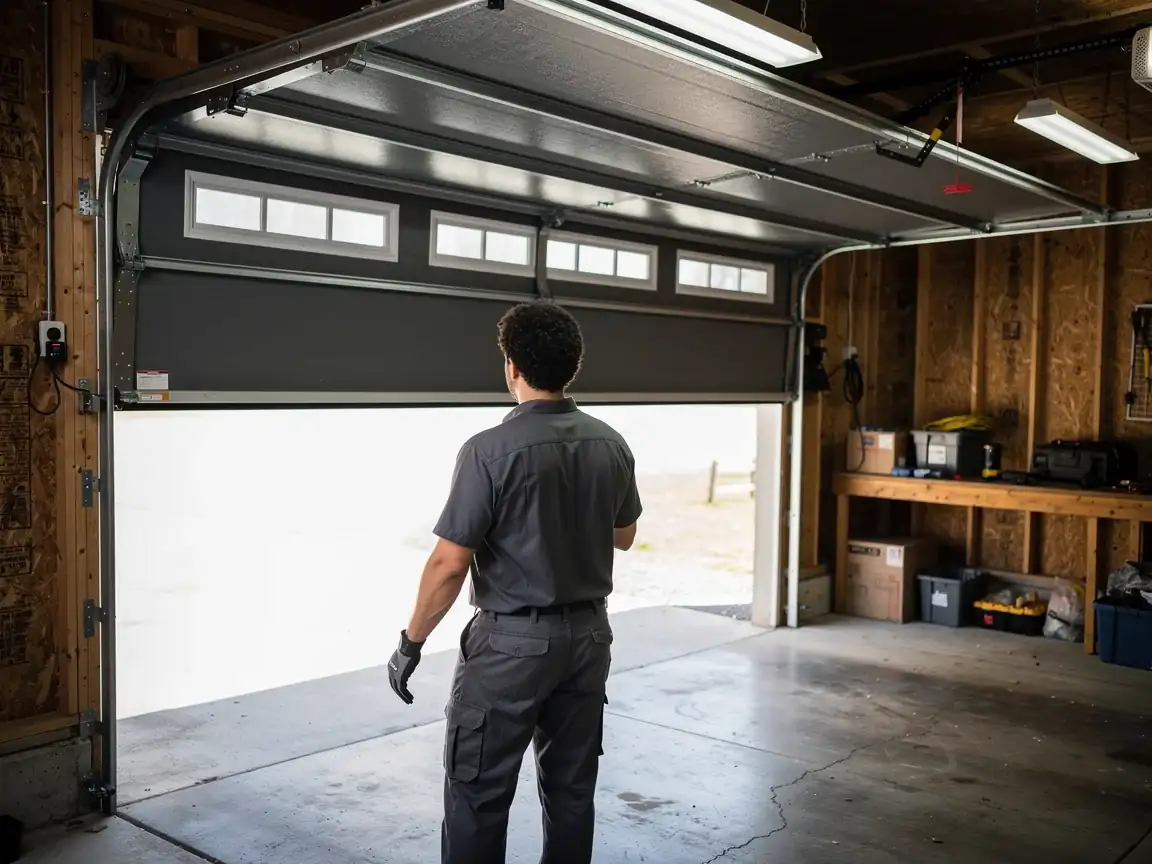
If the track is sound, the new roller goes in, the bracket gets re-seated and torqued, and we test travel through a full open-close cycle by hand before reconnecting the opener. If a section of track is bent or pitted, we replace that section rather than hammer it straight, since a hammered track holds the dent's memory and fails again within a year. We balance the door and reset spring tension last, because a roller swap on an unbalanced door just transfers the wear to the next weak point.
How Long It Takes
A straight four-roller swap on a door with sound track runs under two hours once we're on site, including the balance check at the end. Add a damaged track section and you're closer to three, since cutting and fitting replacement track takes more care than it looks. We won't rush the bracket torque or the balance step to hit a shorter number - a roller job done fast and wrong just means a second call.
How it works
From “it’s stuck” to “it’s fixed”
01
Tell us what’s wrong
Describe the symptom - won’t open, loud bang, opener runs but the door won’t move.
02
On-site diagnosis
A technician tests the door under power and by hand and finds what actually failed.
03
Clear, up-front plan
You get the fix that’s needed and what drives the cost - before any work starts.
04
Repaired & tested
The repair is done, the door is set true and tested, and the work area left clean.
Not sure which repair your door needs in Indianapolis, IN? Describe what it’s doing - every job starts with a diagnosis.
Straight answers about garage door repair in Indianapolis. Still unsure? Ask us directly.
Why are my rollers wearing out when the house isn't that old?
Zionsville's housing stock centers on 1998, so a lot of original garage door hardware is now past 25 years of use. Add this area's cold winters, which make steel rollers contract and expand against the track all season, and that hardware wears faster than owners expect from a house this age.
Do you carry parts for older builder-grade doors out here?
We stock common roller and bracket sizes on the truck, including both steel and nylon. Some proprietary builder-grade brackets from discontinued lines aren't something we carry blind - if yours is one of those, we'll tell you before starting and order the part if needed.
Is nylon worth the upgrade over steel rollers?
Nylon sealed-bearing rollers run quieter and need less maintenance than steel, and the price difference on a four-roller job is small. Plenty of Zionsville owners choose it for that reason, but steel-for-steel is a fine choice if you're matching existing hardware or keeping cost down.
How far out do you come for this, and does that add to the cost?
We're based in Indianapolis, about 18 miles from Zionsville. The quote we give covers the job itself; we don't add a separate travel charge on top of the roller replacement price.