Spring snapped or opener dead in Fishers? Most homes here date to the early 2000s, old enough that original torsion springs are wearing out. We come from Indianapolis.
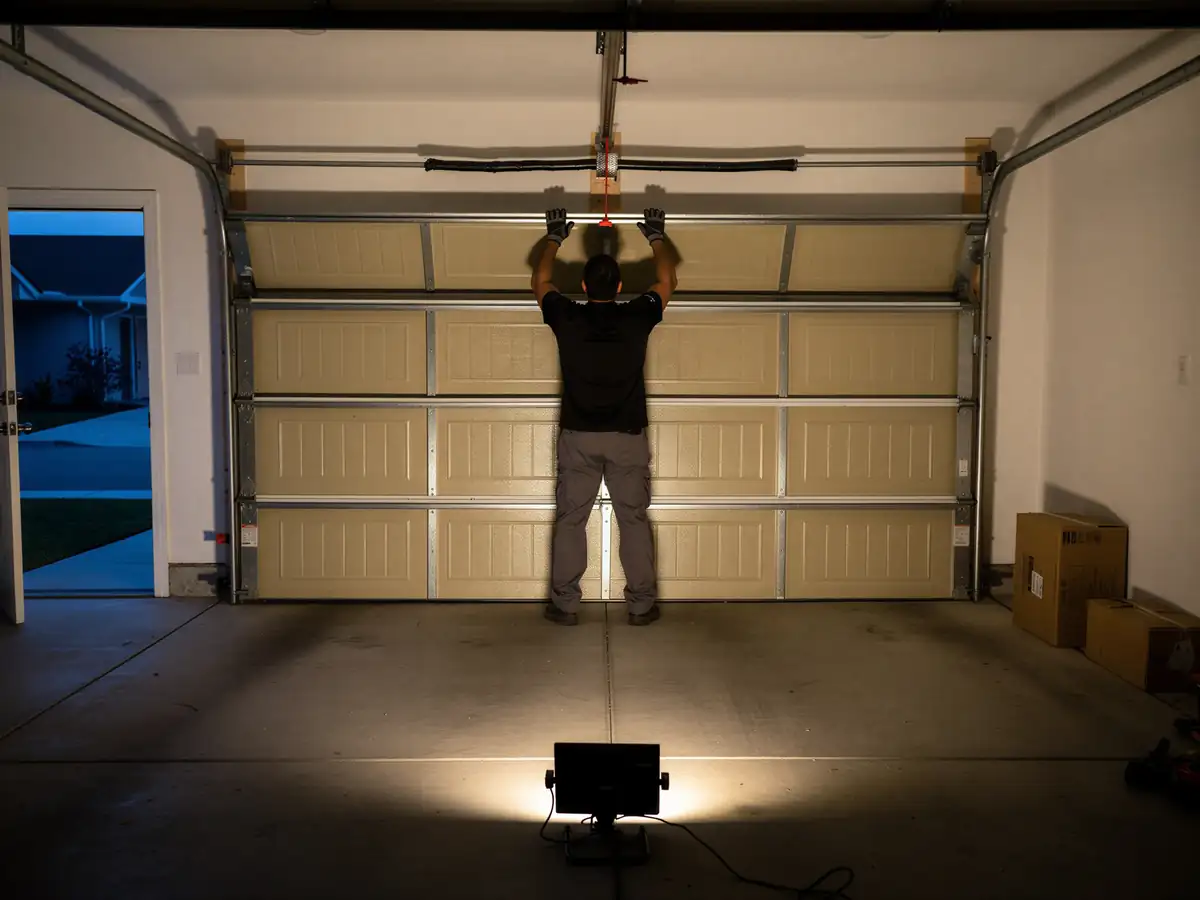
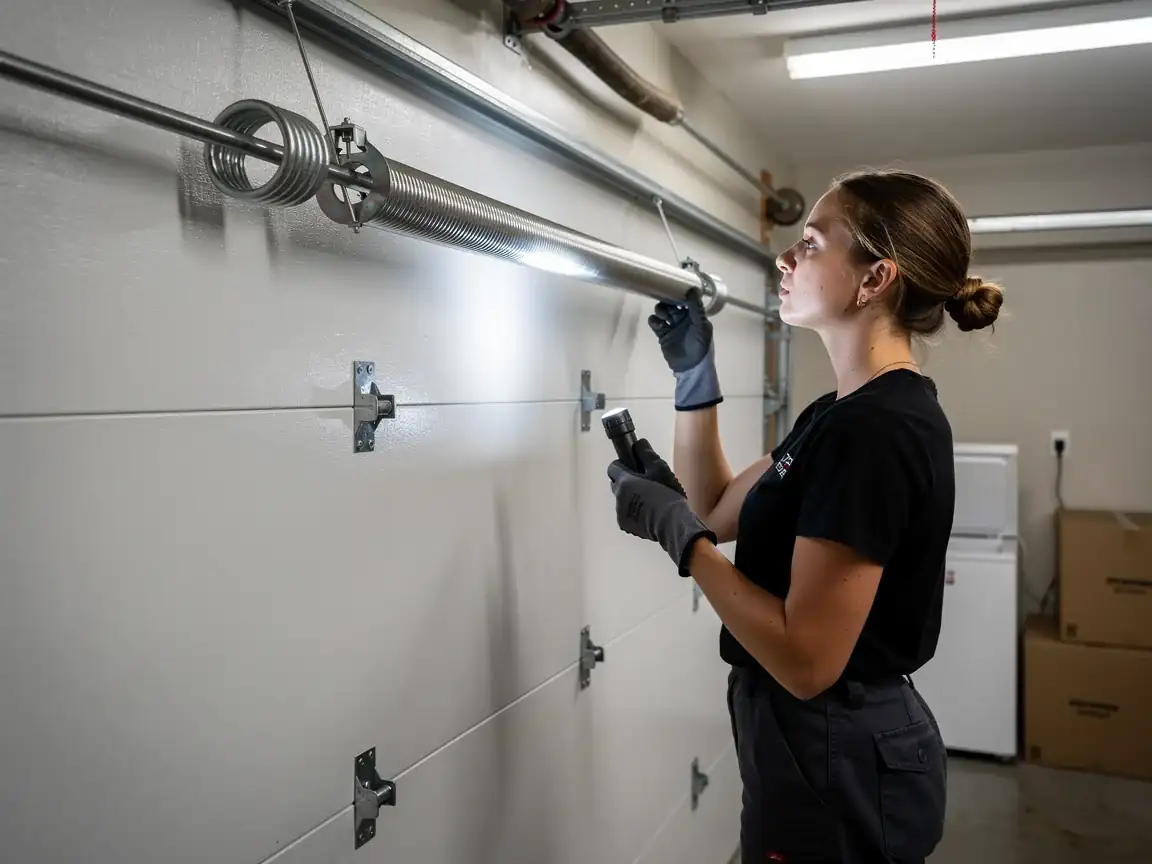
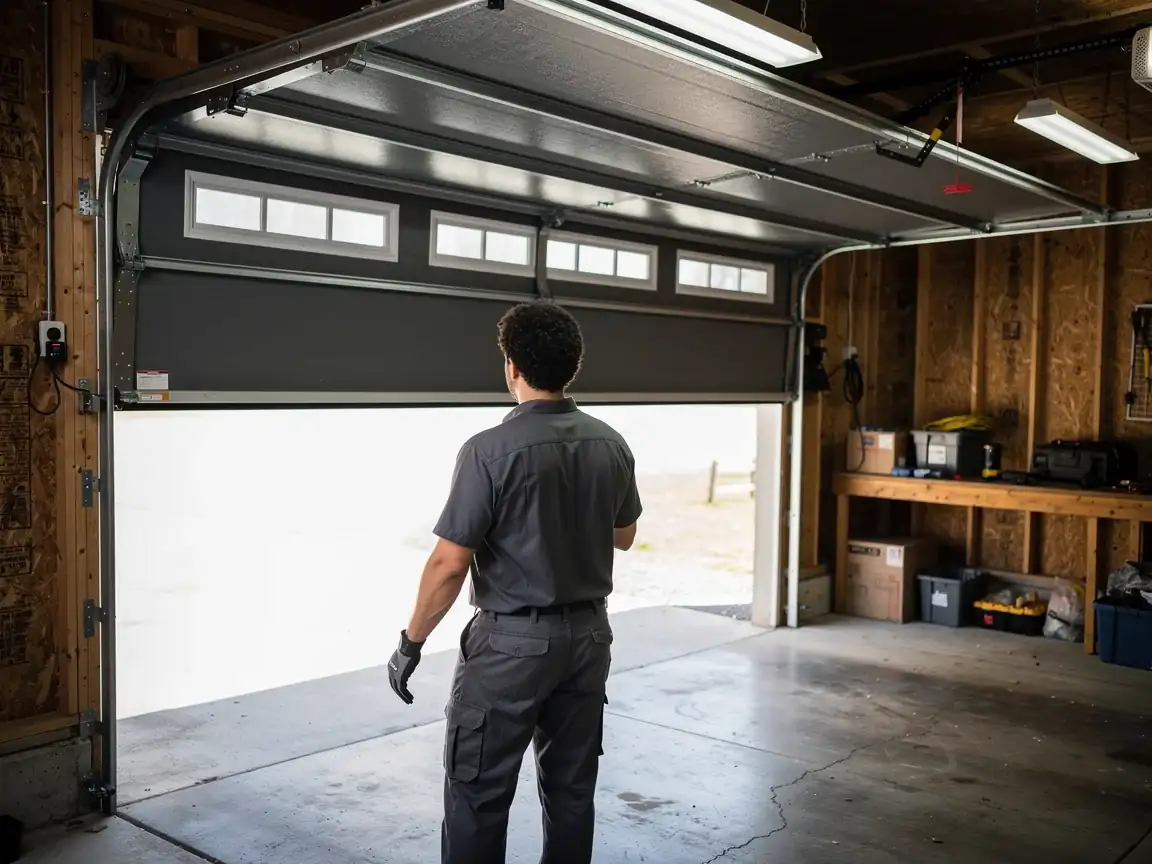
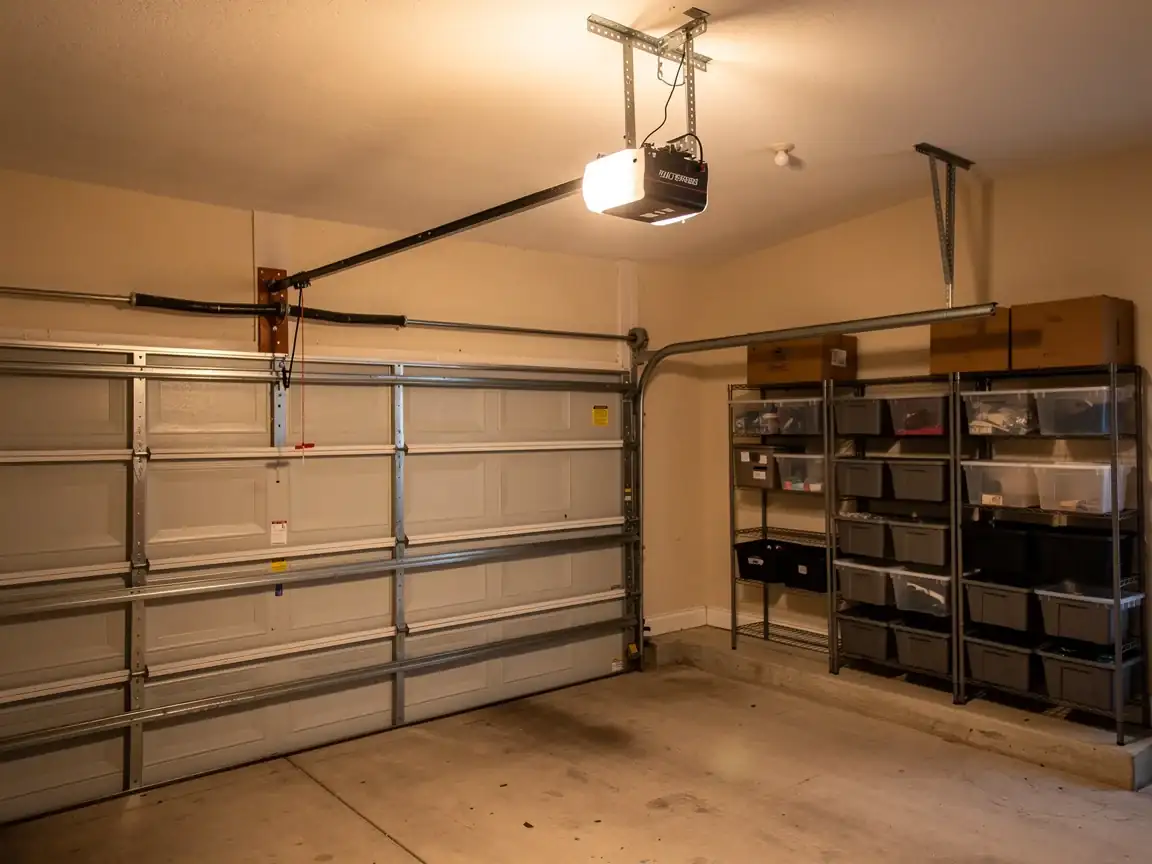
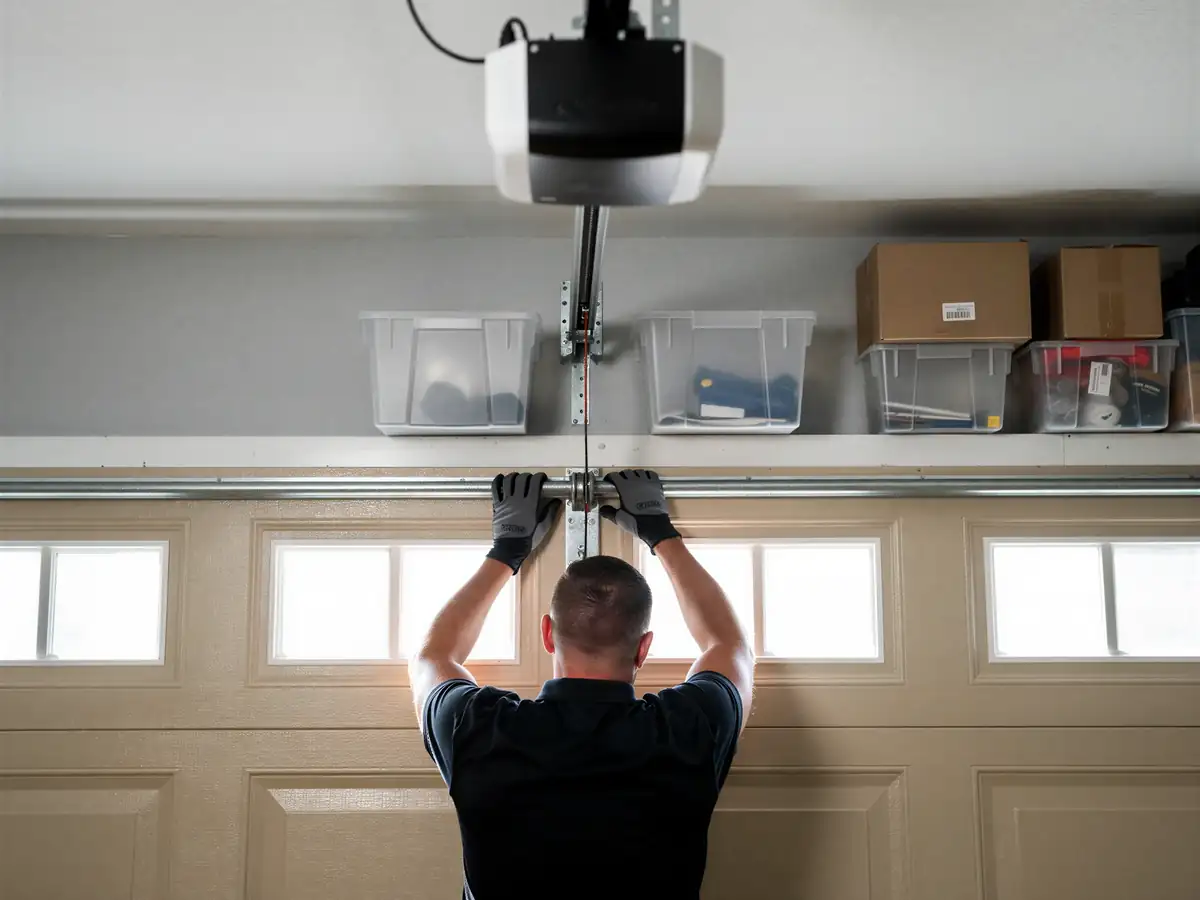
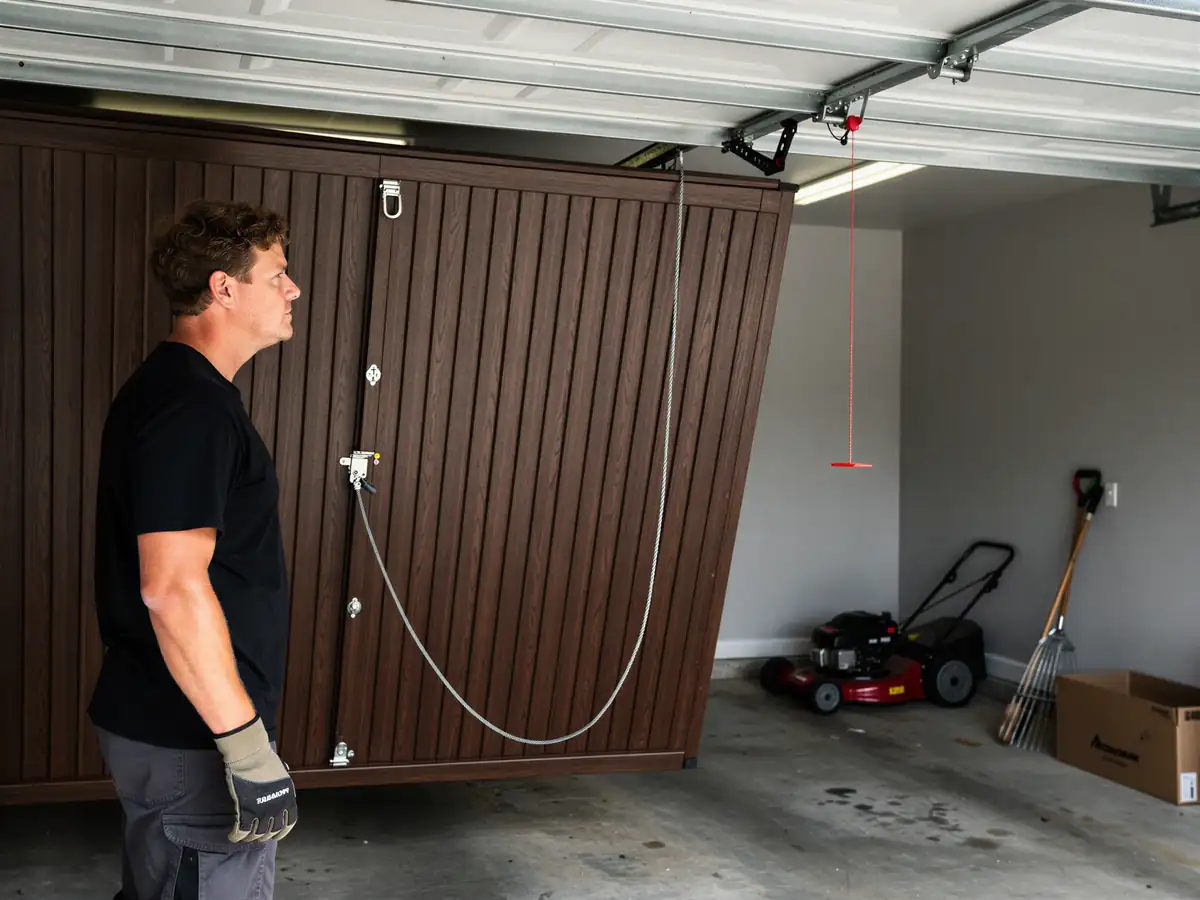
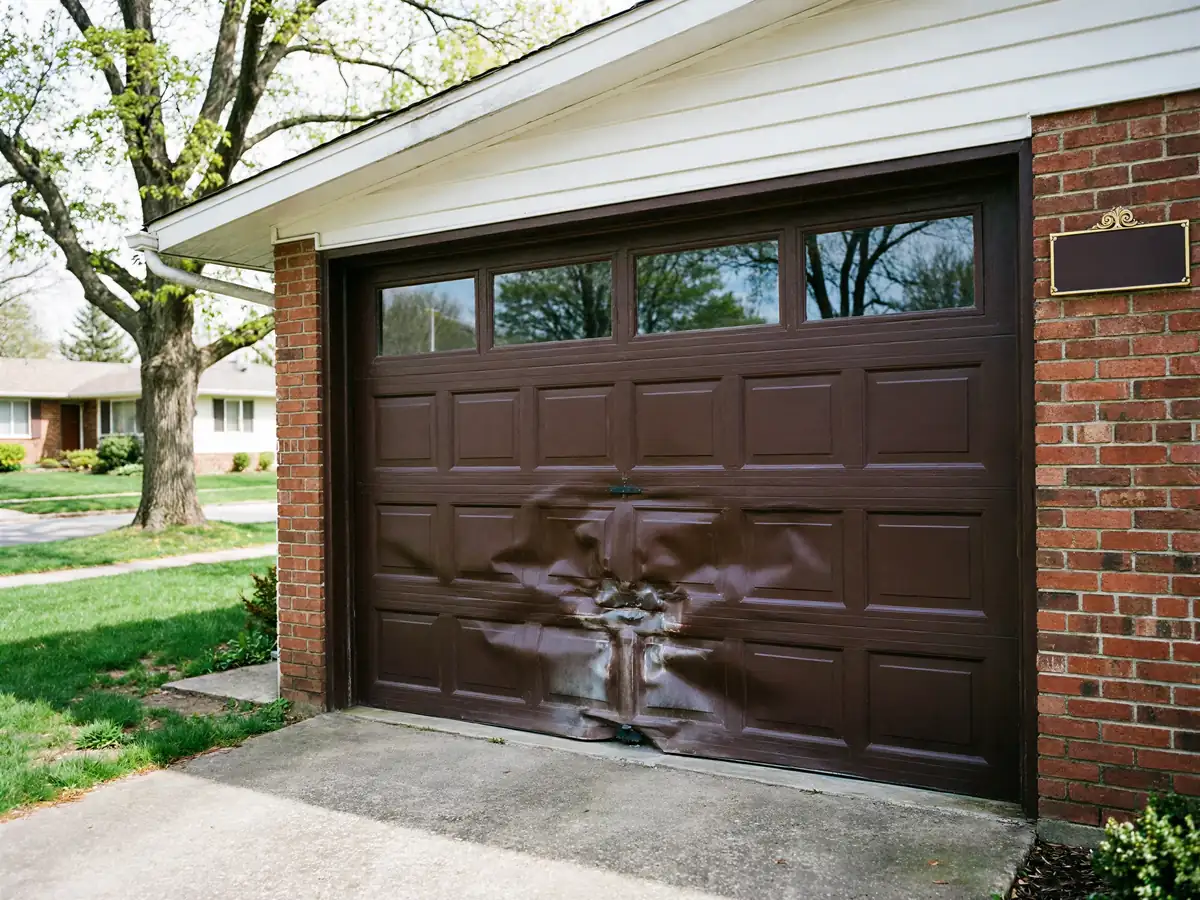
The call we get most from this part of the area is a door that won't move at all, or one that lurches up a few inches and stops. Usually it's a torsion spring that's let go - you'll hear it before you see it, a bang that sounds like a car backfiring in the garage. Sometimes it's a cable that's jumped the drum, which looks similar but is a different fix.
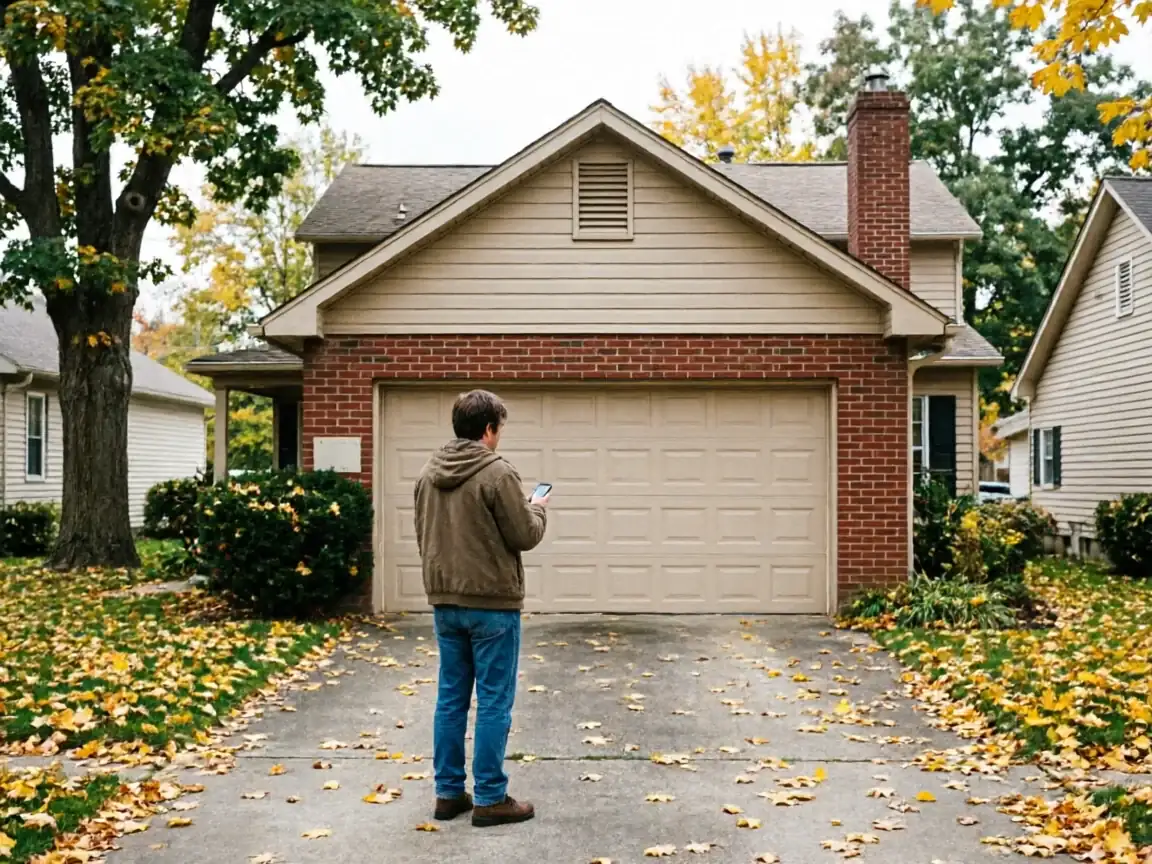
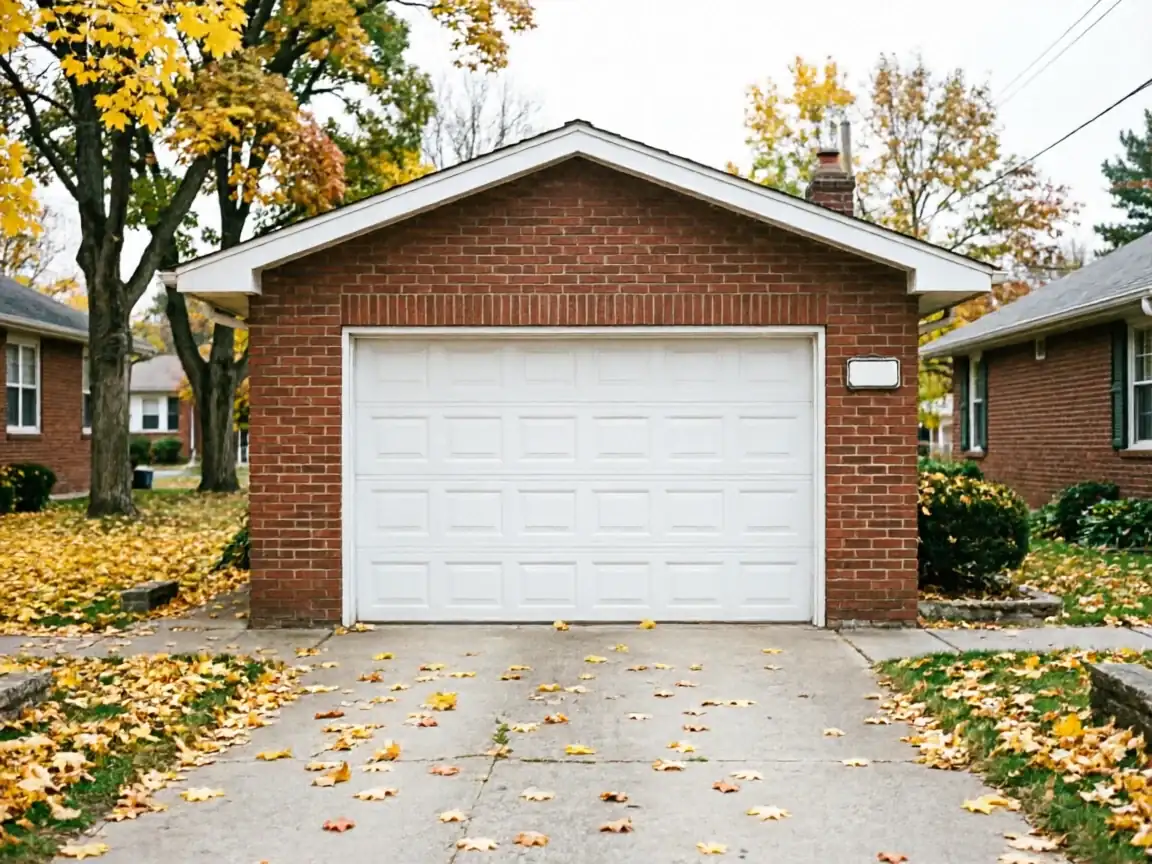
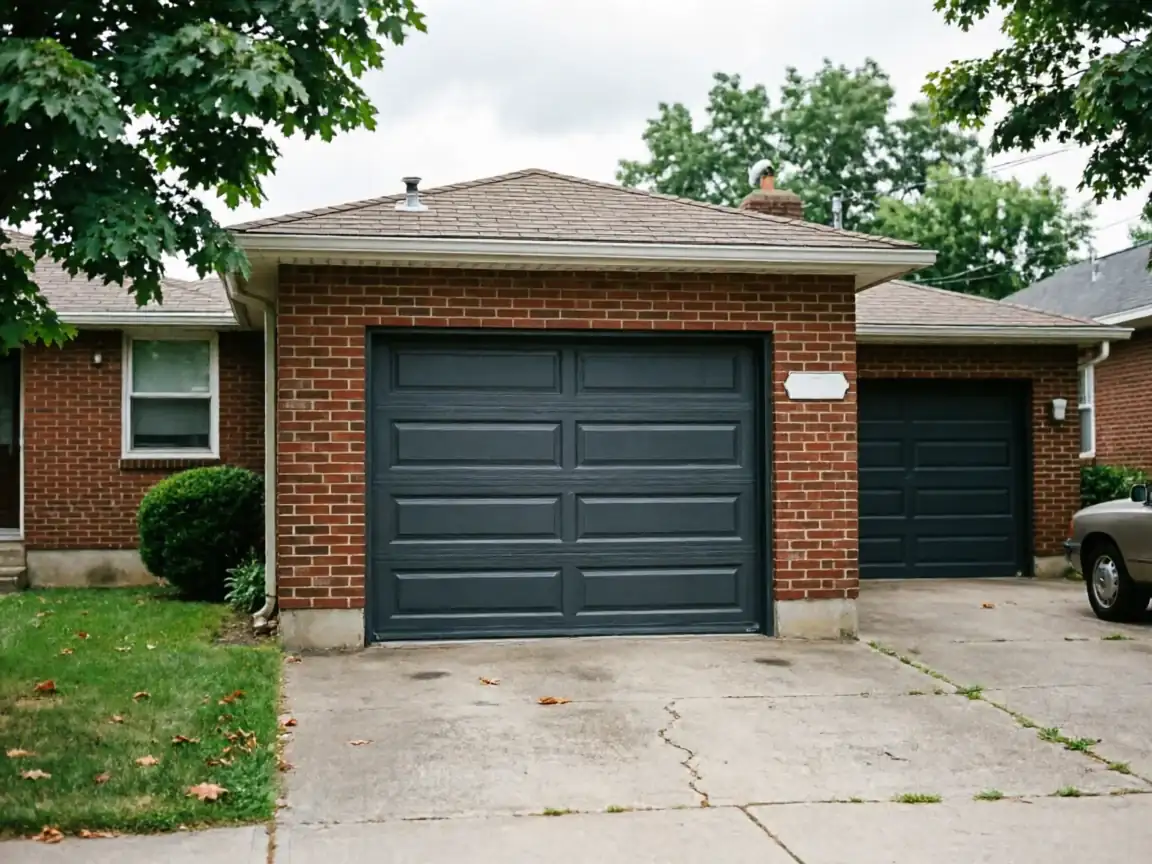
Here's why that fault shows up so often in Fishers specifically: median year built across this part of the service area is around 2002, which puts most of the housing stock squarely in the 2000s wave. A torsion spring is rated for a set number of open-close cycles, and homes built in that window are now old enough that their original springs are reaching the far end of that rating. You're not dealing with decades-old hardware the way some older neighborhoods are, but you're also past the point where a builder-grade spring has much life left. That's the fault pattern we plan around here - not opener electronics, not rot in an old wood jamb, just metal that's done its job and quit.
Getting It Booked In
01
We run out of Indianapolis, roughly 17 miles from Fishers
So when you call with a door stuck open or shut, tell us which it is right away - that changes what we load on the truck before we leave. A door stuck open is a break-in risk and gets different urgency than one stuck shut that's just keeping your car parked outside for a few hours.
17 miles
02
We don't keep a separate branch or crew stationed in Fishers
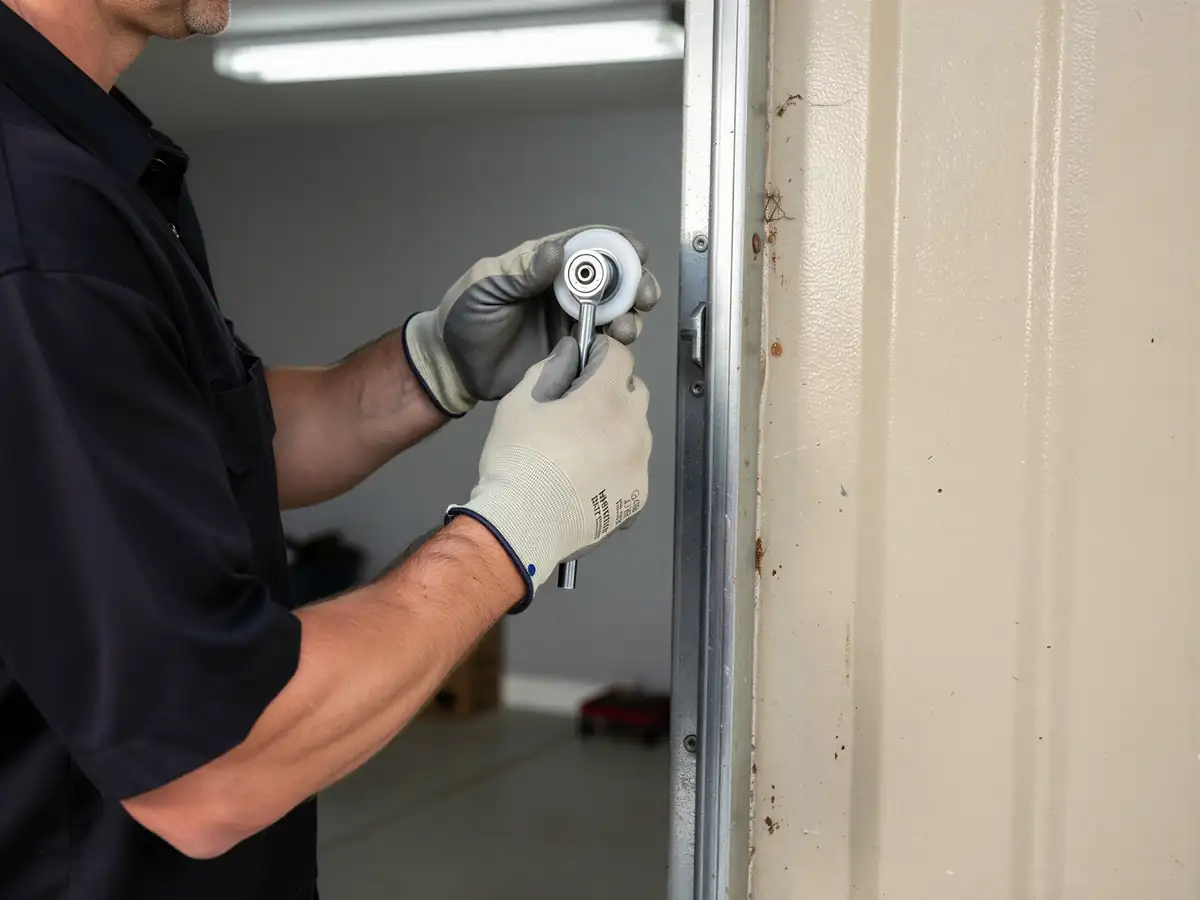
So we're honest about the fact that the drive is part of the job. We'd rather tell you that up front than promise a response window we can't back up. What we can tell you is that the parts we bring are chosen for what tends to fail on 2000s-era builder doors - standard torsion springs, lift cables, and the drum hardware that goes with them - because that's what this town's housing stock mostly runs.
The Complications
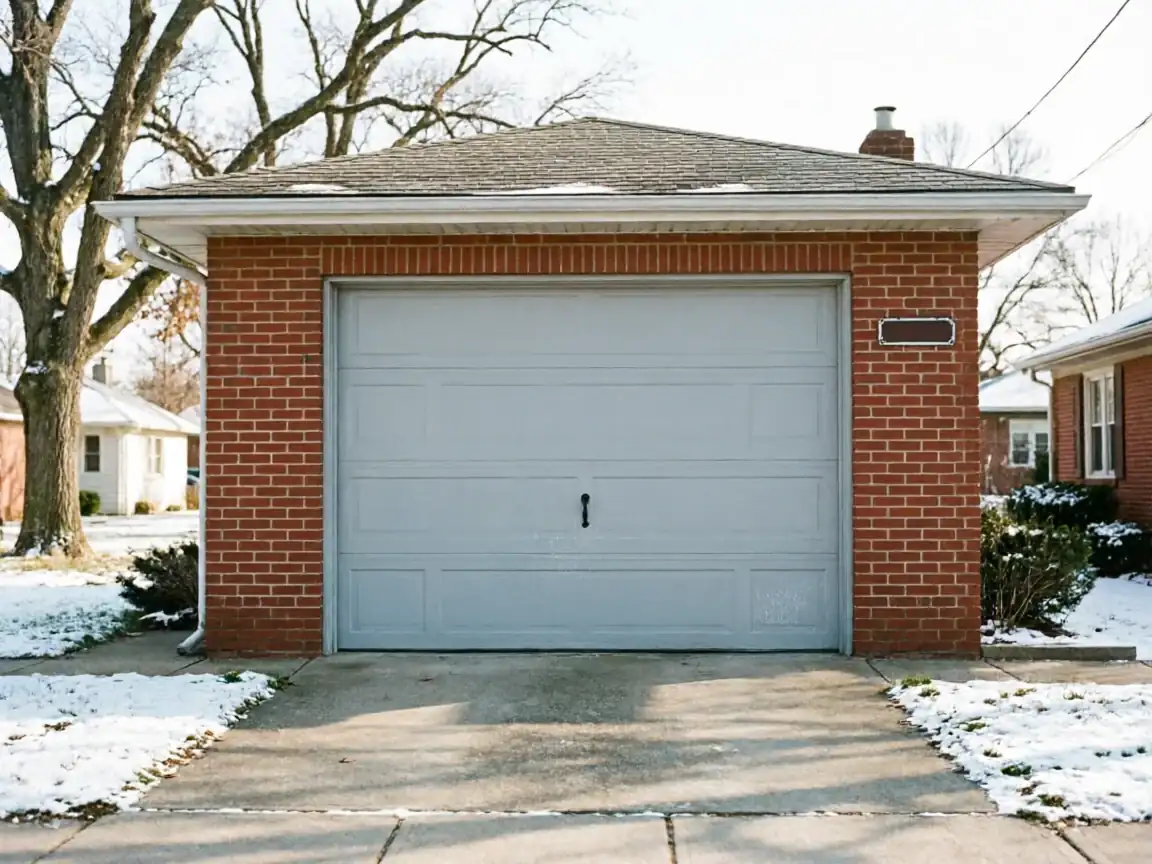
Winters here matter more than people expect. This area sits in a cold climate zone with real severe-weather stretches, and steel contracts when it's cold. A spring or cable that's already near the end of its cycle life is more likely to fail on a sub-freezing morning than a mild one, because the metal's lost some flexibility right when the door gets asked to do the most work - first thing in the morning, car still cold, door frozen slightly to the weatherstrip.
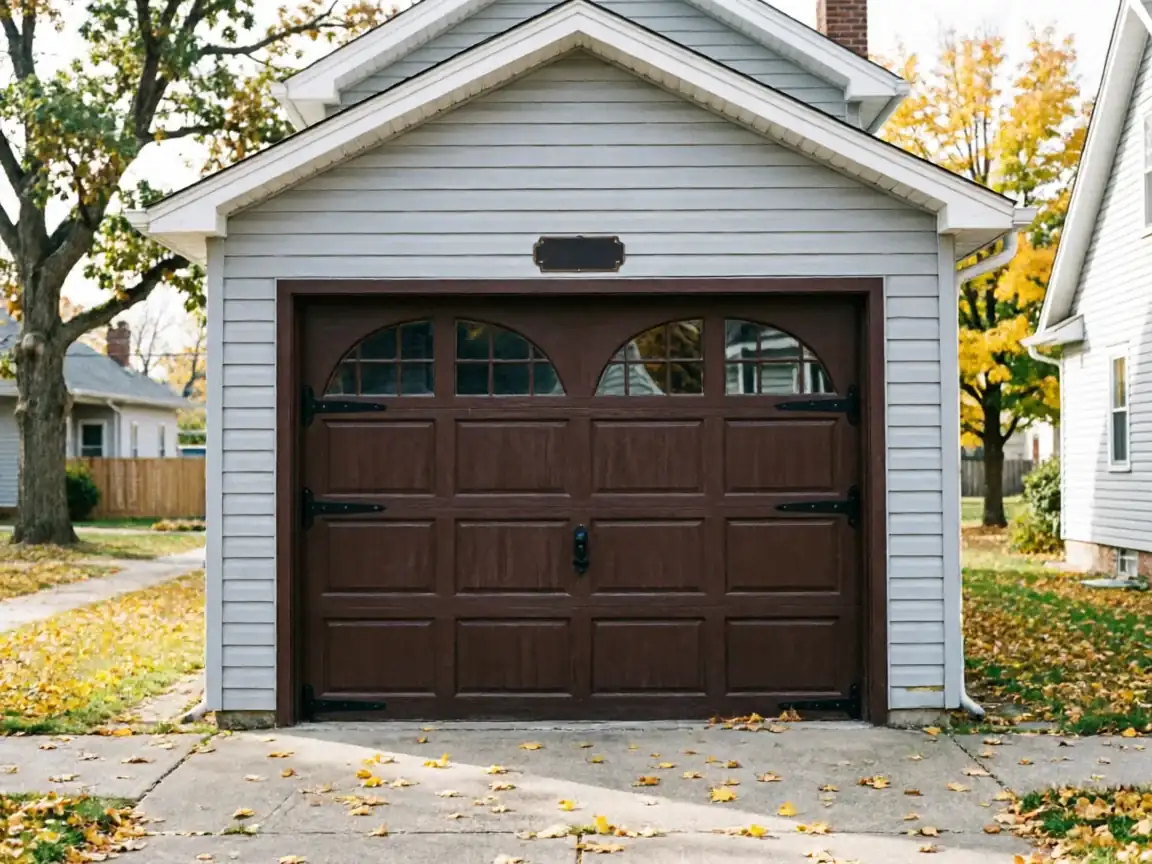
The other complication is less about weather and more about age matching. A 2002-built garage usually still has its original opener, or a first replacement from a decade or so back. If the spring goes and the opener's older hardware doesn't play well with a newer spring kit, that's a second conversation we have to have on site, not over the phone.
How Long It Takes
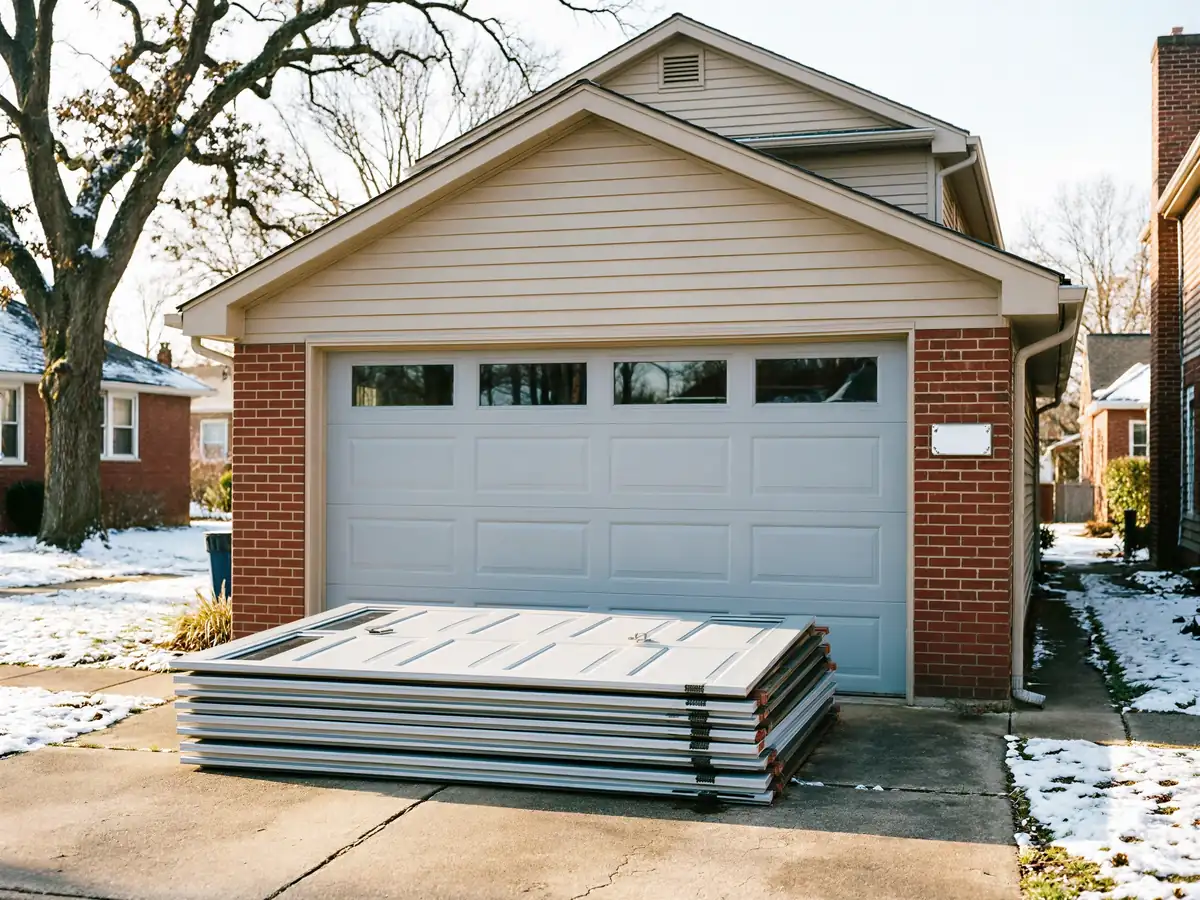
A straightforward torsion spring swap on a standard double door is usually a same-visit repair once we're on site - it doesn't require special-order parts for the builder-grade hardware that's common in this part of the area. Cable jobs run similarly. Where it stretches out is when the drum or the track has taken damage from the door dropping suddenly, which happens more often when a spring fails while the door's partway through a cycle instead of fully closed.
We can't give you a number over the phone before we've looked at the door, because a clean spring break and a spring break that's bent the track are two different jobs. We'll tell you which one you've got before we start, not after.
The DIY Question
01
Don't touch a torsion spring yourself
It's under enough tension to break a bone or worse, and that's true whether the house is brand new or forty years old. That's not us protecting the job - it's the one piece of advice that holds regardless of what's wrong with your door.
02
What you can safely do
Check whether the opener has power, check the wall switch, and look at the track for anything obviously bent before you call. If the door's a 2000s builder model like most in this part of the area, the fix is rarely exotic, but the spring itself is not a weekend project.
The Cost of This Job
We don't post a flat number here because spring jobs vary with door size, spring count, and whether the drums or track took damage on the way down - and we'd rather quote you after seeing the door than low-ball it and revise upward on site. What we can say is that parts for standard 2000s builder-grade doors, which describes most of what's in Fishers, are common stock, not special-order items, so the job itself usually doesn't carry a parts-delay markup.
How it works
From “it’s stuck” to “it’s fixed”
01
Tell us what’s wrong
Describe the symptom - won’t open, loud bang, opener runs but the door won’t move.
02
On-site diagnosis
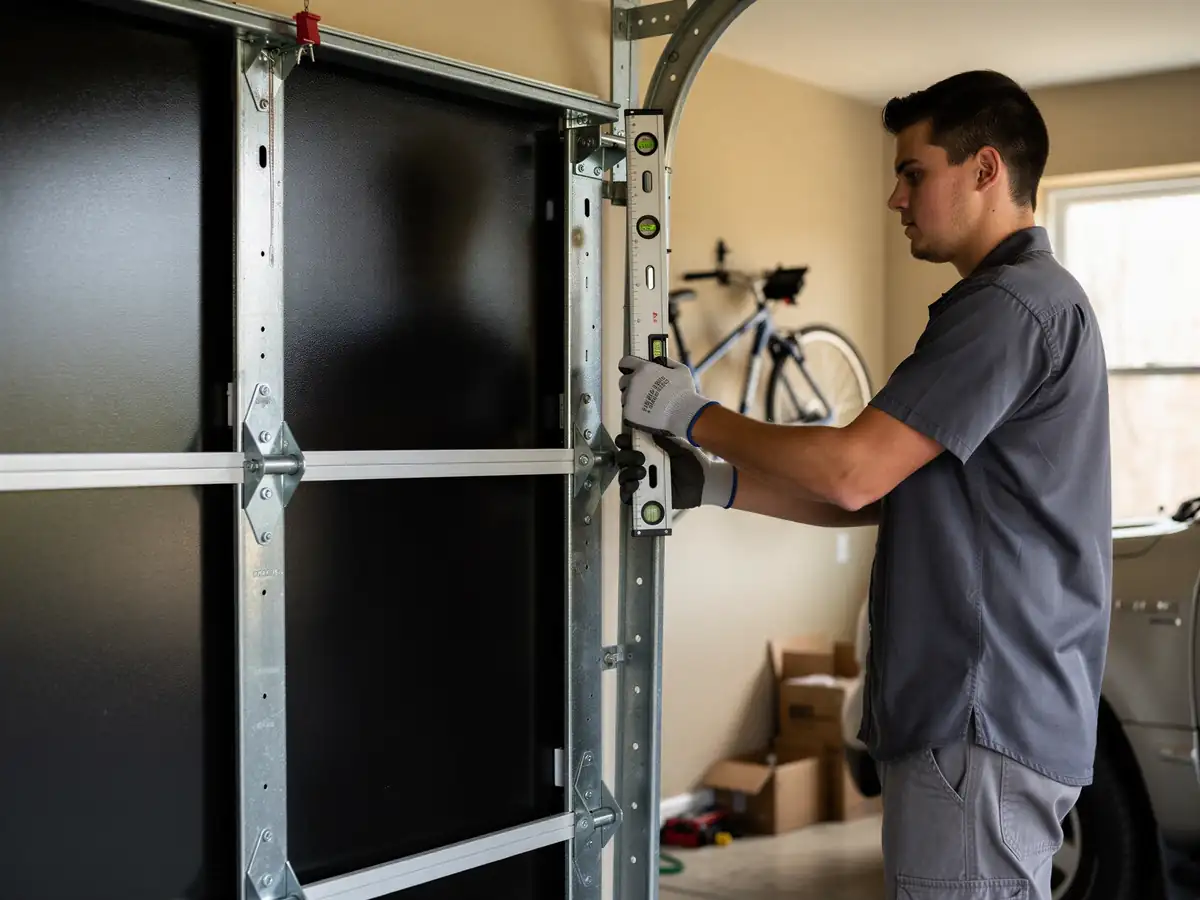
A technician tests the door under power and by hand and finds what actually failed.
03
Clear, up-front plan
You get the fix that’s needed and what drives the cost - before any work starts.
04
Repaired & tested
The repair is done, the door is set true and tested, and the work area left clean.
Not sure which repair your door needs in Indianapolis, IN? Describe what it’s doing - every job starts with a diagnosis.
Straight answers about garage door repair in Indianapolis. Still unsure? Ask us directly.
Why do so many Fishers garages have the same spring problem?
Most homes in this part of the area went up around 2002, so a lot of original torsion springs are hitting the end of their rated cycle life around the same time. It's less a Fishers quirk and more a wave of houses built in the same few years all aging out of their hardware together.
Do you have a crew based in Fishers?
No. We run out of Indianapolis, about 17 miles away, and drive out for calls here. We won't claim a local branch or a guaranteed response window we can't back up - we'll tell you honestly what the drive adds.
Does cold weather really make spring failure worse?
Yes. This area sits in a cold, severe-weather climate band, and steel loses some flexibility in freezing temperatures. A spring that's already near the end of its service life is more likely to snap on a cold morning than a mild one.
Can I replace a torsion spring myself?
We'd tell you not to, regardless of what town you're in. A torsion spring holds enough stored tension to cause a serious injury if it releases while you're working on it. Call it in instead.