Garage Door Opener Installation for Fishers' 2000s-Era Homes
Fishers homes mostly went up in the early 2000s, so the opener and track hardware behind the drywall is often the same gear the builder hung in 2002. Here's what that means for a new install.
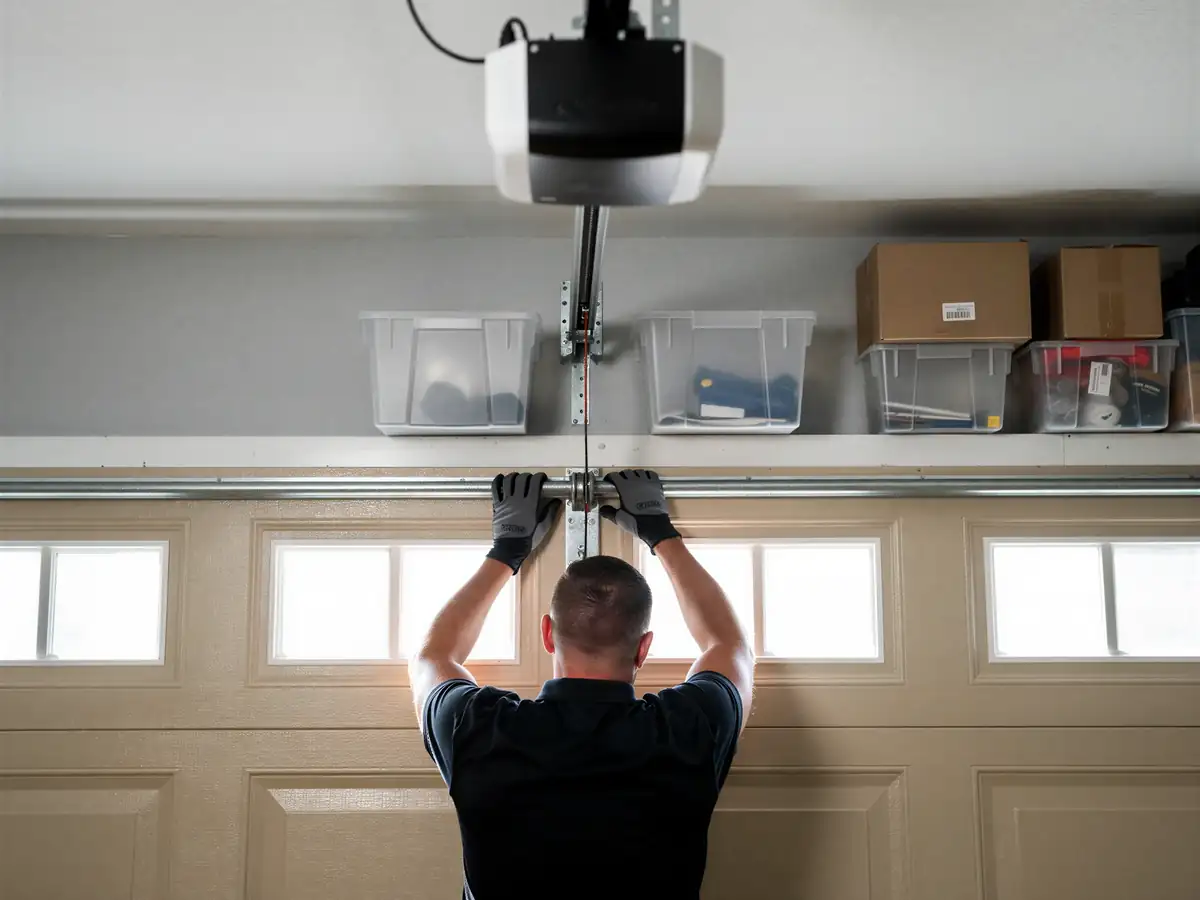
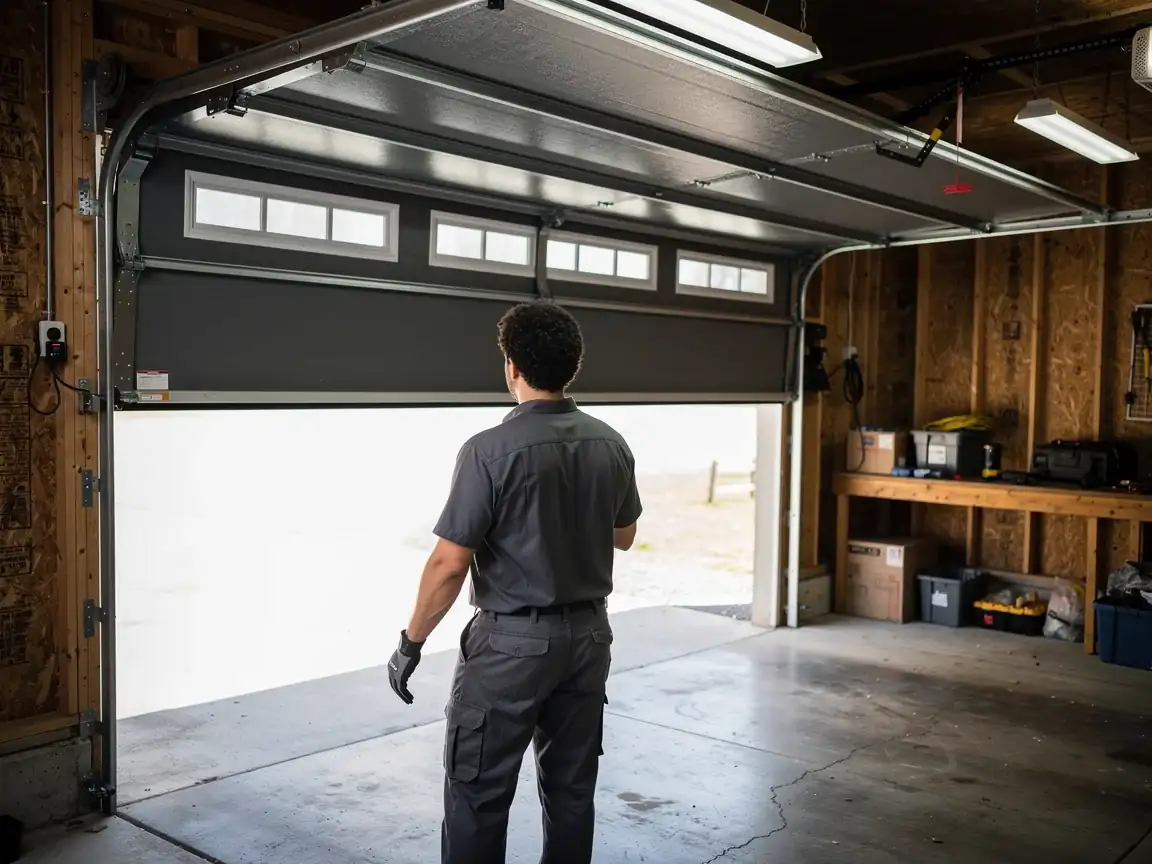
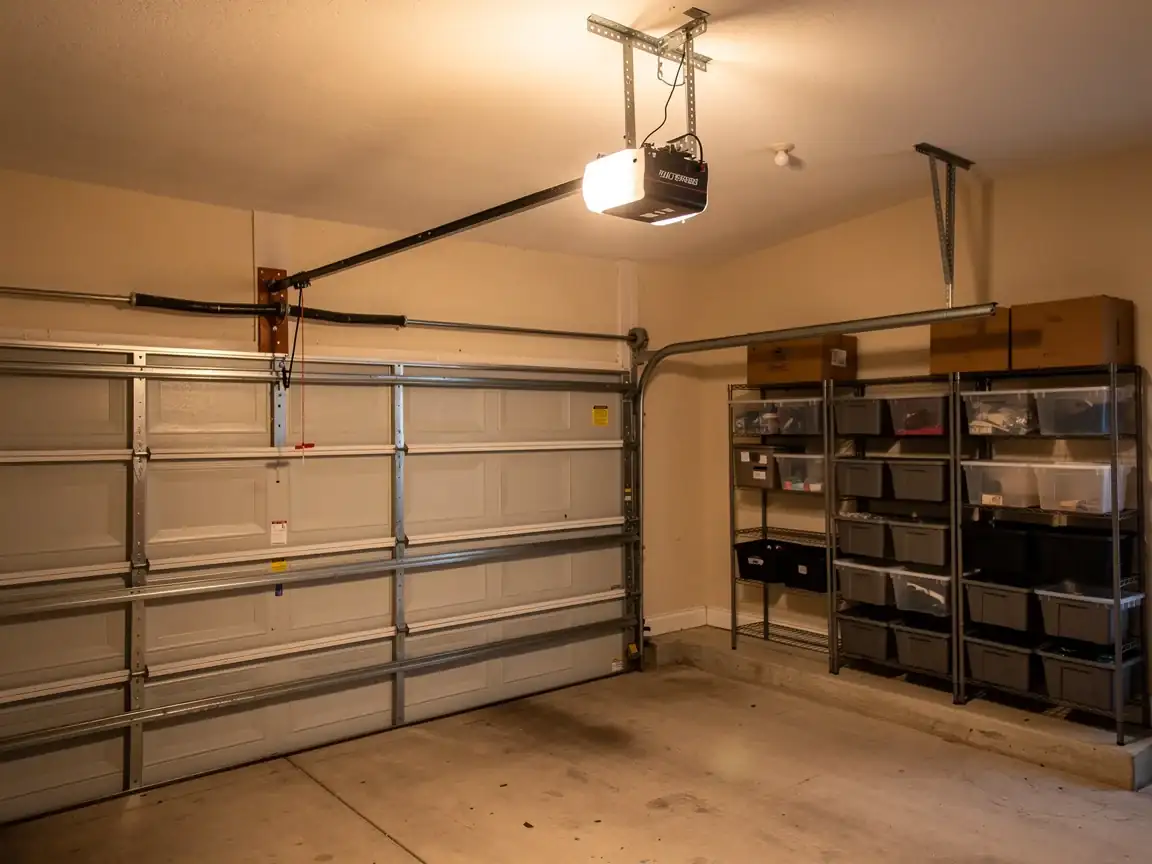
Fishers grew up fast in the late 1990s and early 2000s, with a median build year around 2002. That means a lot of garages here still have the opener the builder put in - a half-horse chain-drive unit on a steel rail, bolted to framing that's never been touched since. If your door still has a pull-cord light switch wired straight to the motor head and sensors mounted an inch or two off the slab, that's original gear pushing twenty-plus years of use. Chain drives from that era weren't built with rolling-code security or battery backup, both standard on anything sold today. The bracket hardware and the rail mount are usually fine. The motor, the circuit board, and the drive gear inside the housing are the parts that fail first, and on a unit this old, parts for the exact model are often gone. That's less a repair call than a swap - the hardware is sound, the electronics underneath aren't worth chasing anymore.
Getting It Booked In
We run out of Indianapolis, about 17 miles from Fishers, so a new opener install here gets scheduled rather than walked up to same-day. Tell us the door width, whether it's a single or double, and whether you want battery backup - that's enough for us to quote the unit and bring the right rail length on the truck. We don't keep a branch in Fishers, so every job is a scheduled trip from Indianapolis, not a drop-in.
The Complications
The complication in Fishers isn't the door - it's what's attached to the ceiling around it. Homes built in this window often have finished garages, with can lights, speaker wire, or a ceiling fan box crowding the space where a new rail needs to sit. We've also seen the original header bracket installed slightly off-center from the door's true center, which was fine for the chain drive it came with but can throw off a belt-drive unit's travel limits. None of that stops an install, but it does mean the tech checks the header and the ceiling clearance before mounting, not after. Winters here run cold enough that we recommend a cold-rated lubricant on the rail and gear at install, not the all-purpose grease some big-box kits ship with - it gums up and slows the carriage when temperatures drop.
How Long It Takes
A straight swap - same opener type, existing rail reused where it's sound - usually runs under two hours once the truck's on site. Add the drive to a belt system, or add battery backup wiring, and it runs longer because we're running new circuits, not just bolting on a new head. We don't quote a same-day window for Fishers since every visit starts with the drive from Indianapolis, so plan on a scheduled appointment rather than an emergency slot.
The DIY Question
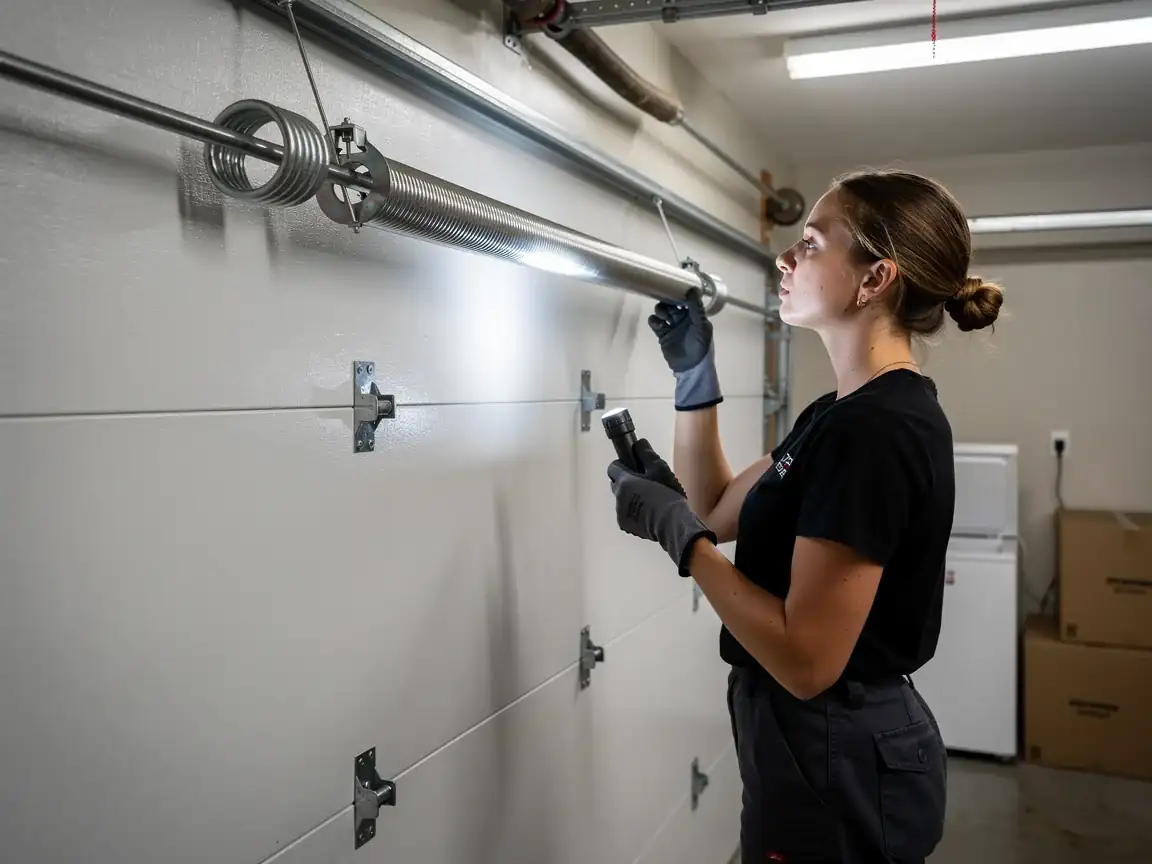
A boxed opener kit from a hardware store is a real option if your rail, header bracket, and wiring are already sound and you're comfortable on a ladder working overhead with a spring-loaded door. Where it goes wrong in houses this age is the header bracket - if it's not mounted dead-center or the wood underneath has dried and loosened over twenty years, a new opener will rack and jam within months no matter how well it's bolted to the rail. If you pull the old unit down and find cracked wood, rust streaks, or a bracket that wiggles, that's the point to call rather than push forward. We'll say plainly: if your door panels and springs are original too, a new opener on tired hardware is a short-term fix. Sometimes the right job is the door, not just the motor.
The Cost of This Job
We don't publish a flat number here because the spread between a basic chain-drive swap and a belt-drive unit with battery backup and smart controls is wide, and Fishers' household income - $128,141, just under the $131,371 average across our service area - means we see demand across that whole range, not clustered at the low end. What we can tell you is the quote is for the opener and install labor; if the header bracket or rail needs rework because of the house's age, that gets called out separately before we start, not added after.
How it works
From “it’s stuck” to “it’s fixed”
01
Tell us what’s wrong
Describe the symptom - won’t open, loud bang, opener runs but the door won’t move.
02
On-site diagnosis
A technician tests the door under power and by hand and finds what actually failed.
03
Clear, up-front plan
You get the fix that’s needed and what drives the cost - before any work starts.
04
Repaired & tested
The repair is done, the door is set true and tested, and the work area left clean.
Not sure which repair your door needs in Indianapolis, IN? Describe what it’s doing - every job starts with a diagnosis.
Straight answers about garage door repair in Indianapolis. Still unsure? Ask us directly.
Is my opener too old to repair instead of replace?
If it's the builder-installed unit from a Fishers home built in the early 2000s, almost certainly - the motor and board are past the point where parts exist, even though the rail and bracket are usually still good. We'll check the hardware on site before recommending a full swap.
Do you install the same day in Fishers?
No. We travel from Indianapolis, about 17 miles out, so opener installs here are scheduled appointments, not walk-up same-day service. Tell us your door size and opener preference up front and we'll bring the right unit on the first trip.
Will a new opener fit my original bracket?
Usually, but not always. Homes from Fishers' main building era sometimes have the header bracket mounted slightly off the door's true center, which worked fine for the original chain drive but can throw off a belt-drive unit's travel sensors. We check this before mounting.
Does cold weather affect the new opener?
Yes - this area sits in a cold climate band with real winter severity, and standard grease on a rail or gear can thicken and slow the carriage in low temperatures. We use cold-rated lubricant at install specifically for that reason.