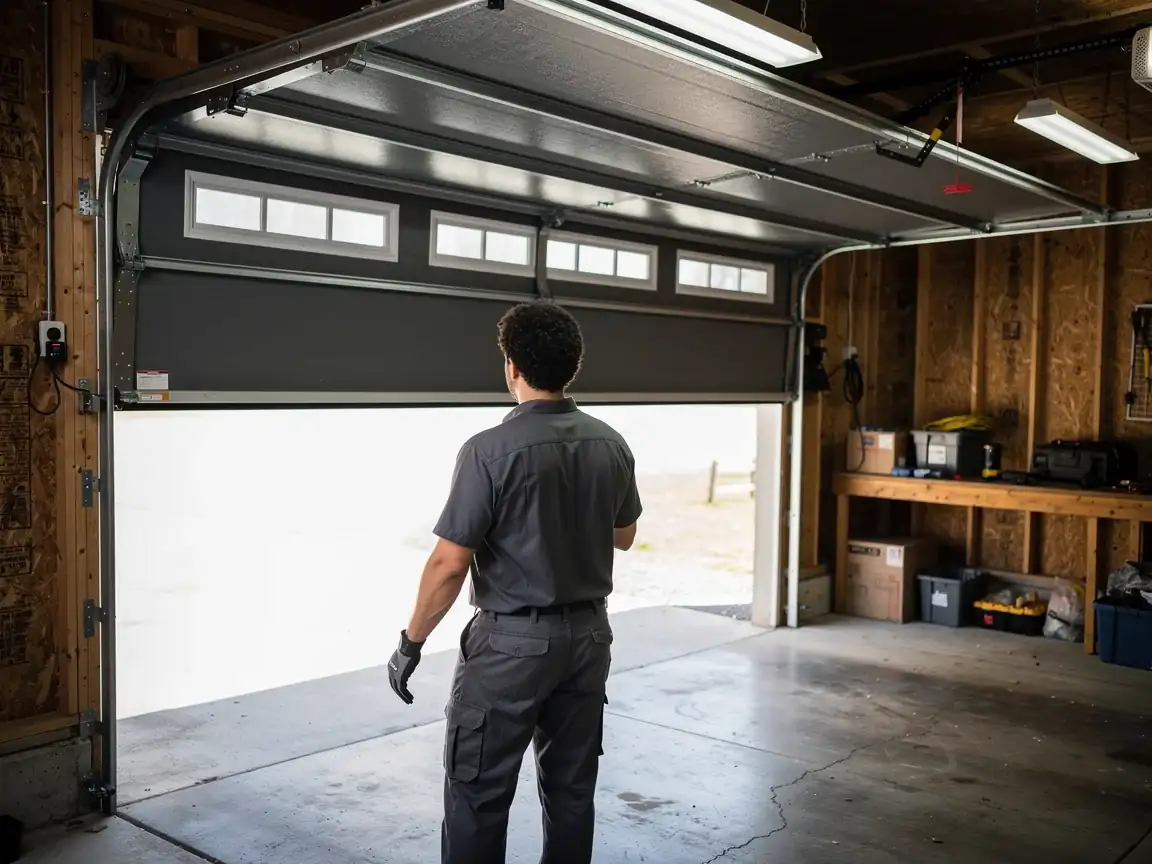
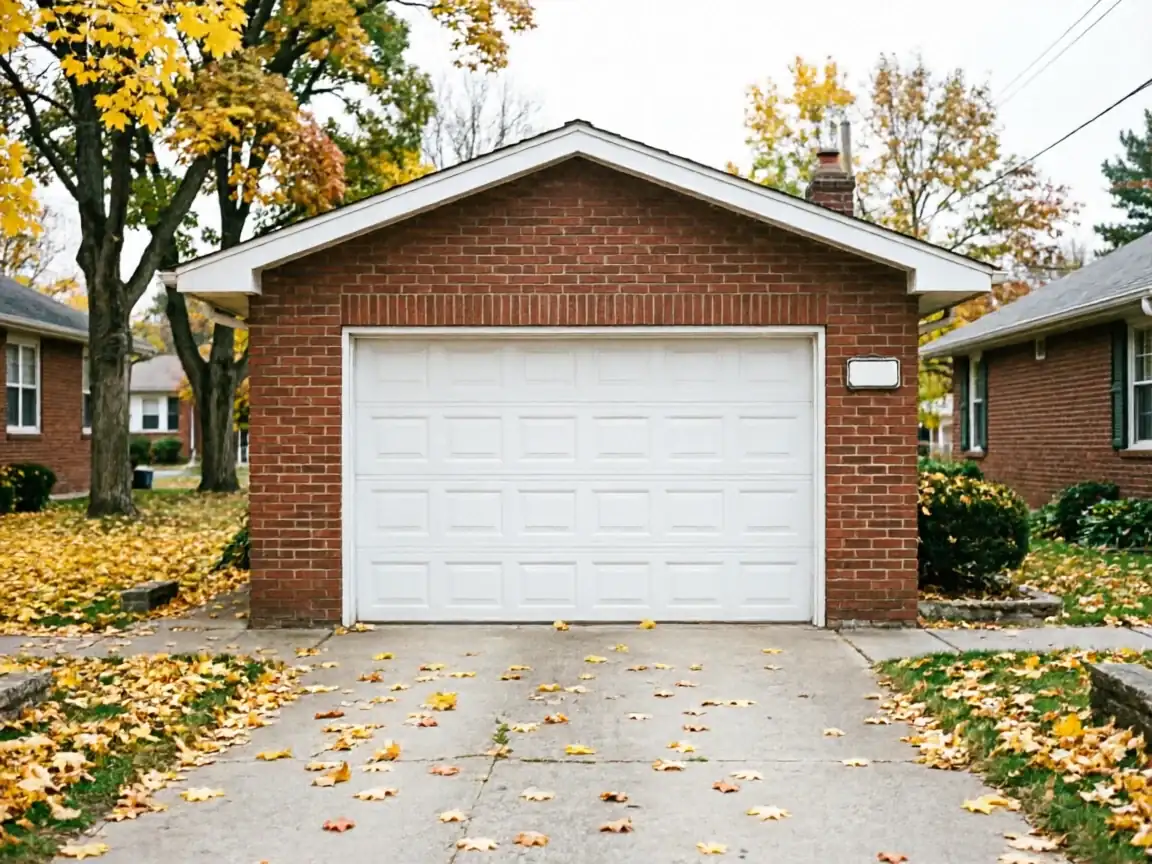
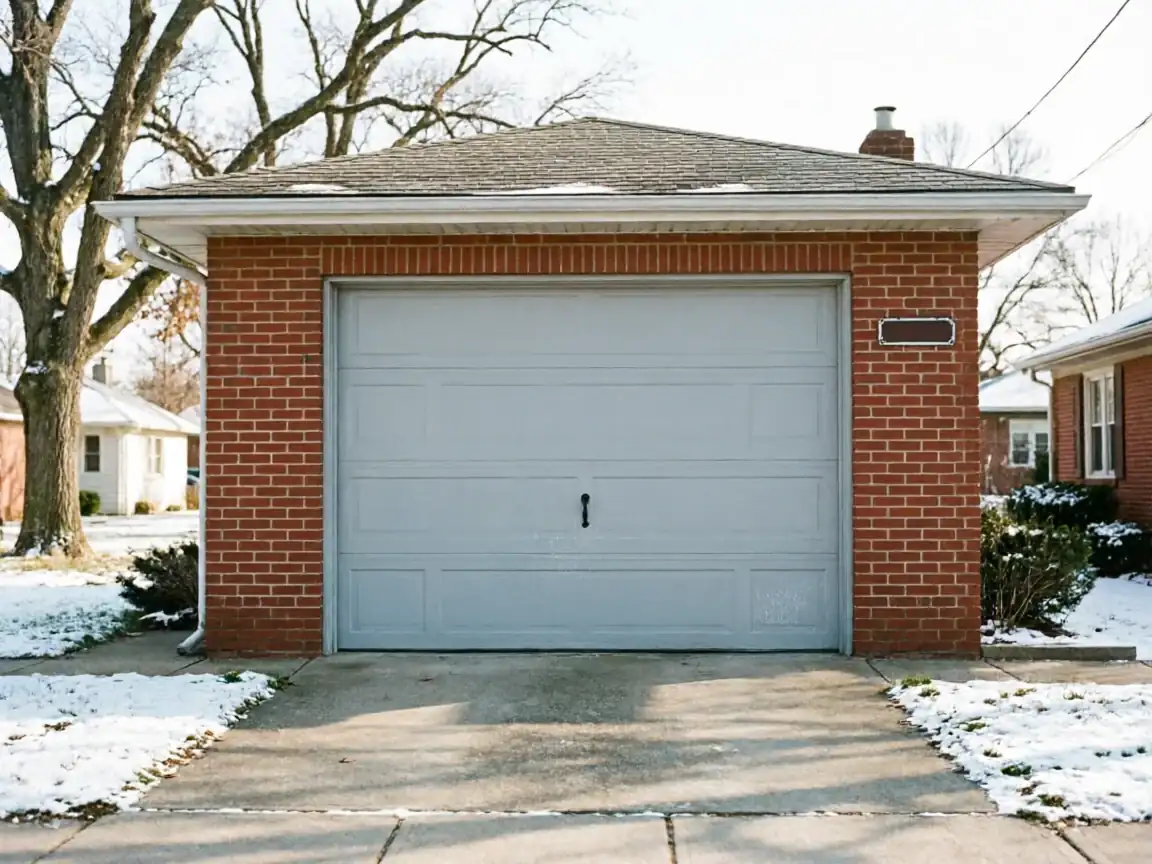
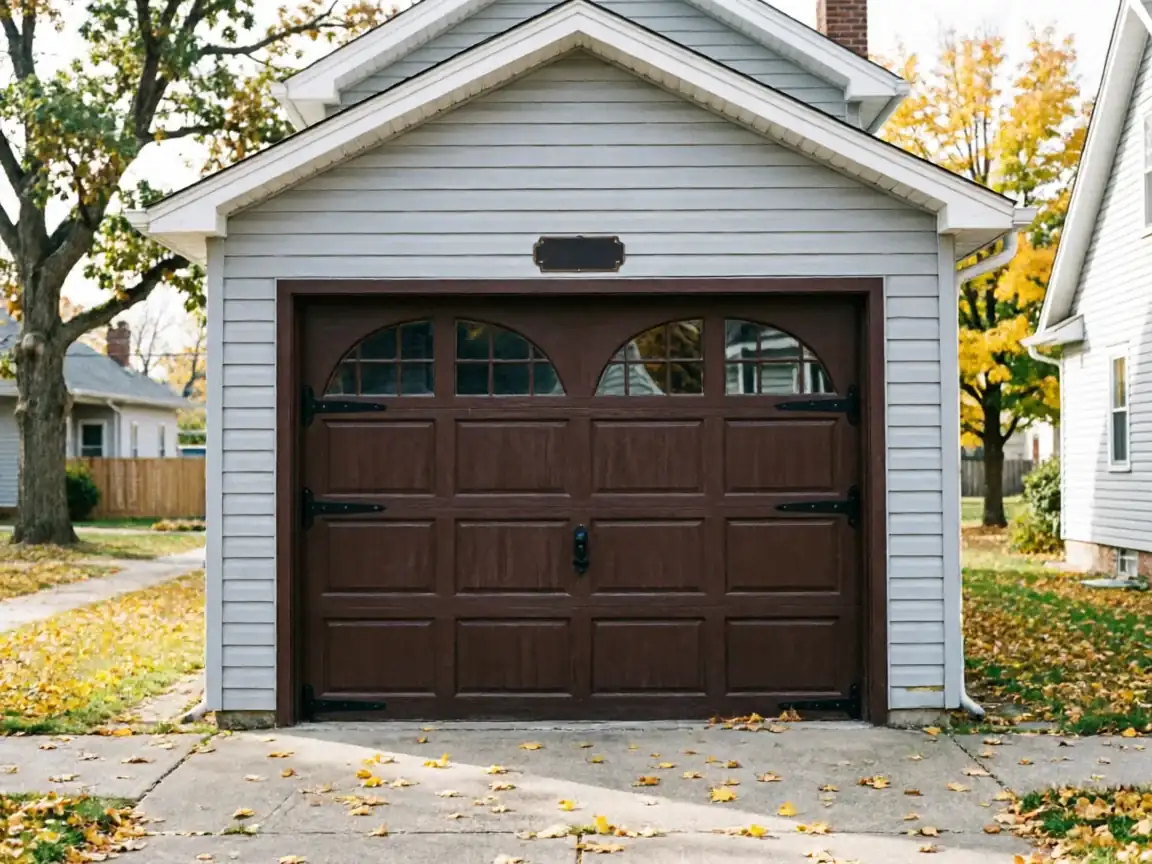
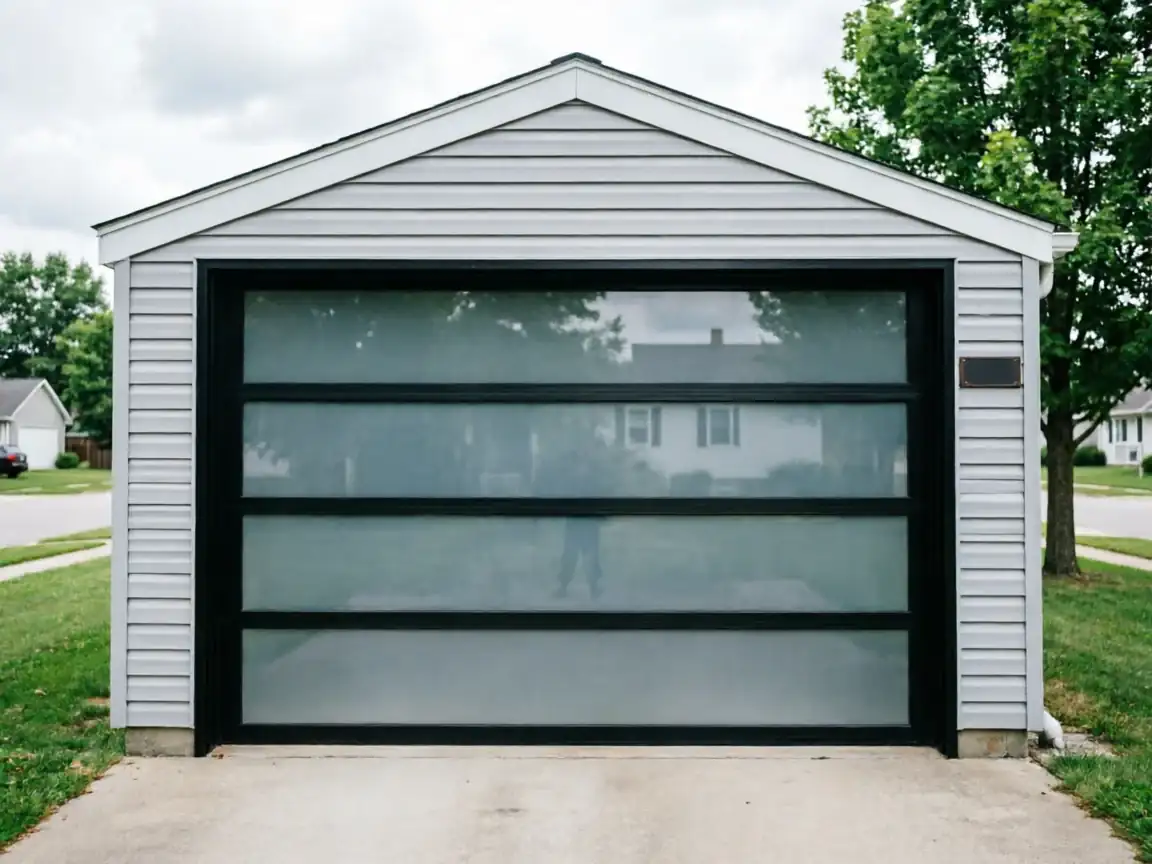
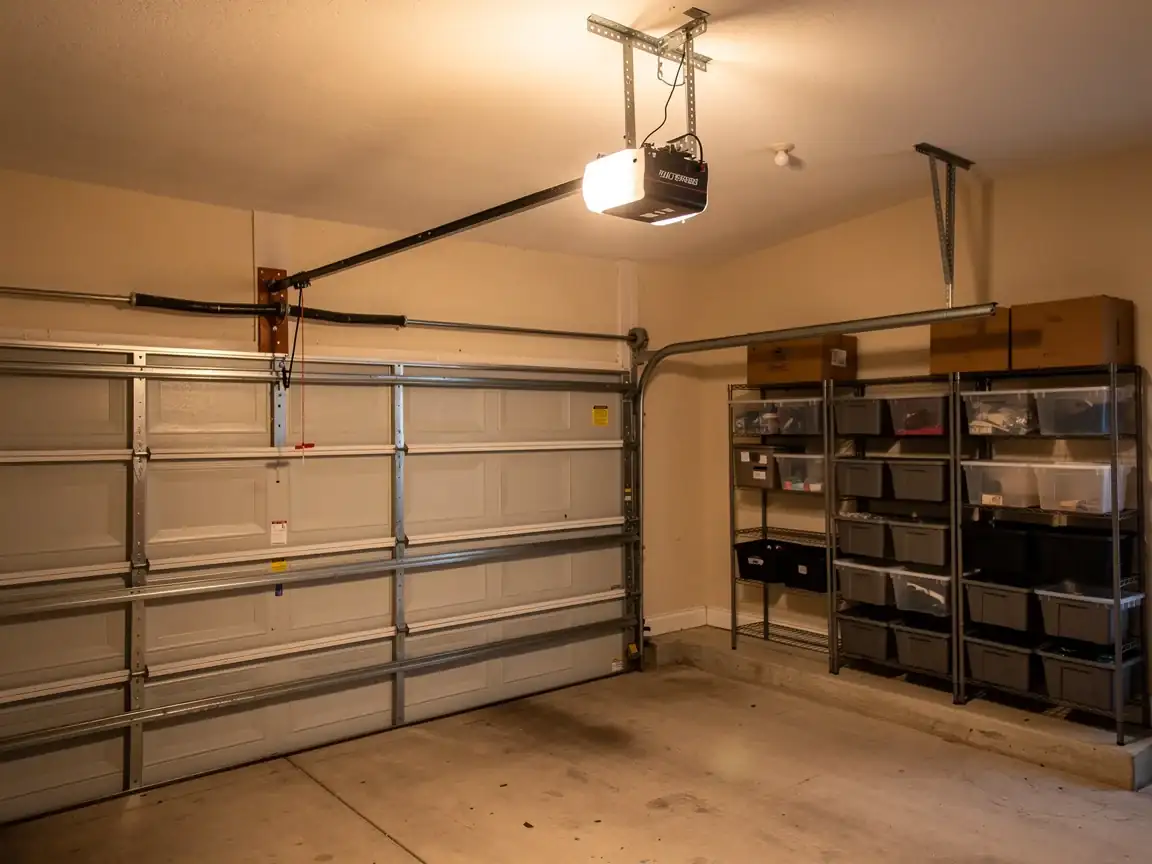
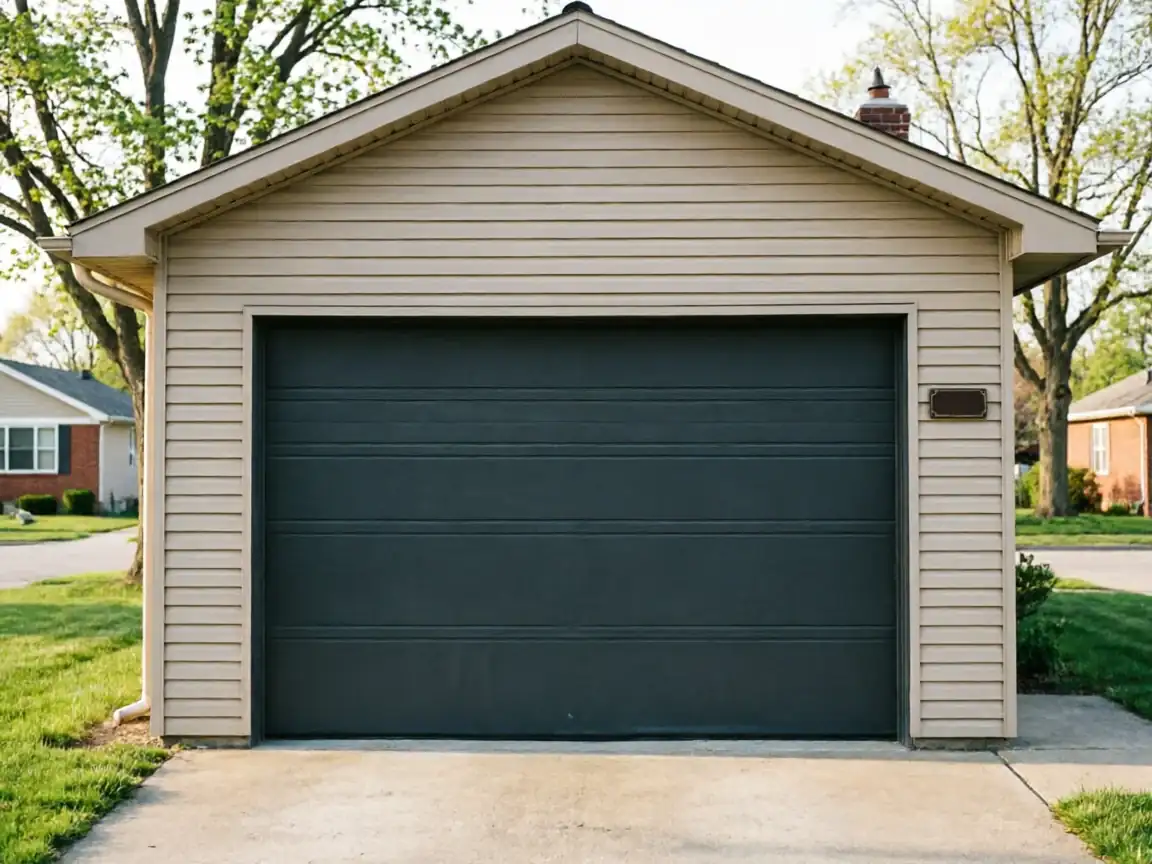
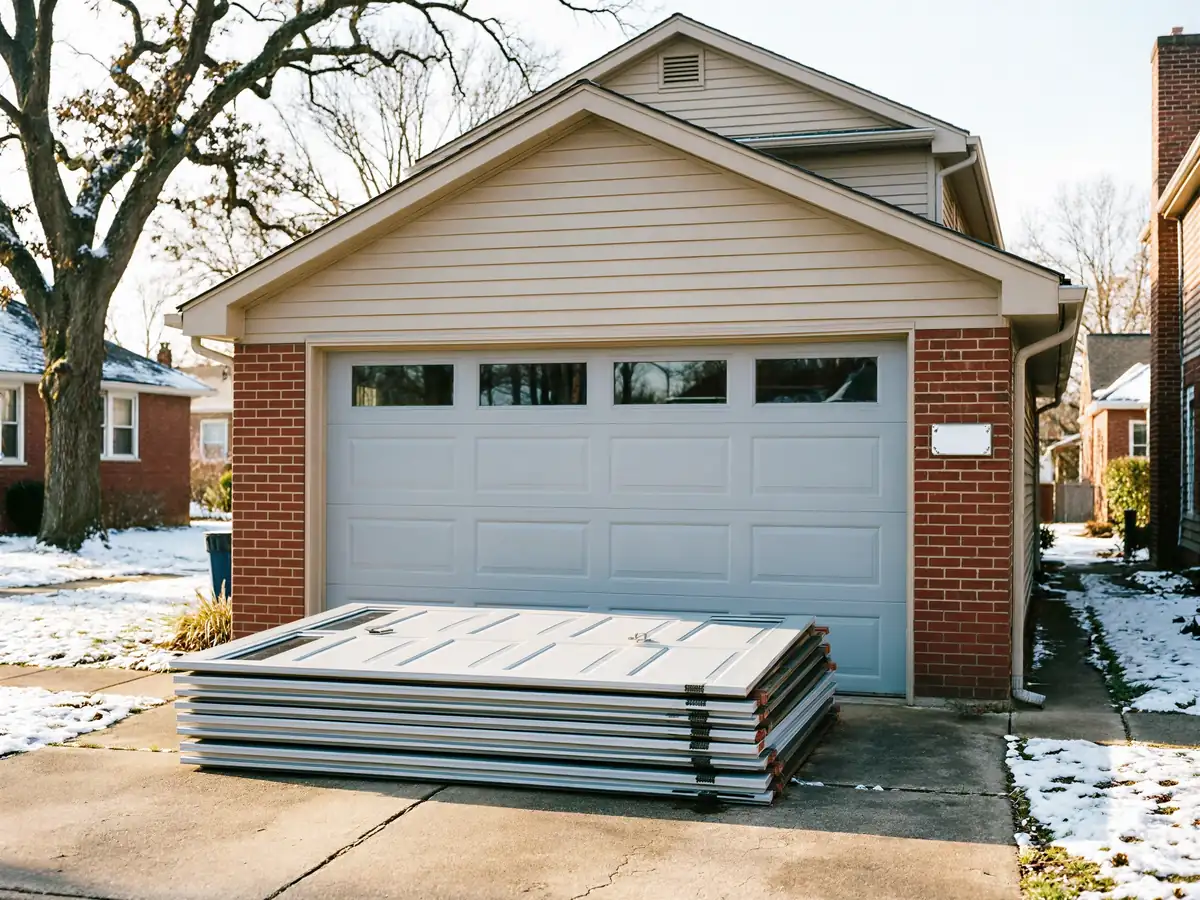
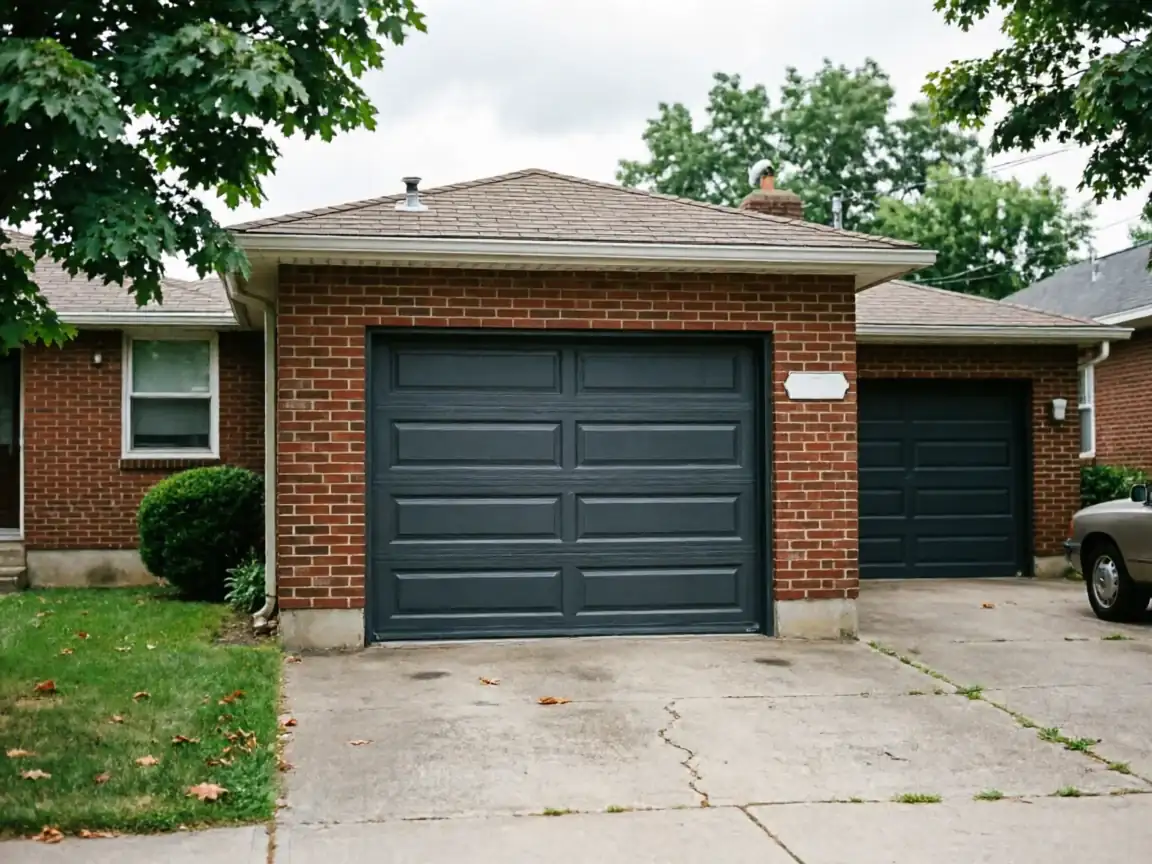
Westfield sits 18 miles out from Indianapolis, and that number matters more than it sounds like it should. It's not a same-street callback - it's a drive up the corridor, which means when we take a call here we're already thinking about traffic timing and what tools need to be on the truck before we leave, not after we show up and find out the job needs a part we didn't bring. Most of what breaks in this town is tied to when the houses went up. Westfield's housing stock centers on a 2008 median build year, squarely inside the 1997-2008 window that defines this whole service area. That means builder-grade openers and torsion springs rated for a specific cycle count, now 15-25 years into use and starting to fail in the same window most of their neighbors' systems are failing in. It's less a scattering of random breakdowns and more a wave moving through houses built in the same few years. Add a cold-climate winter on top of that - metal contracts, lubricant stiffens, and a spring that was already near the end of its rated cycles goes first on the coldest morning of the week. That's the pattern behind most of the calls we get from this side of the metro.
What You Are Seeing
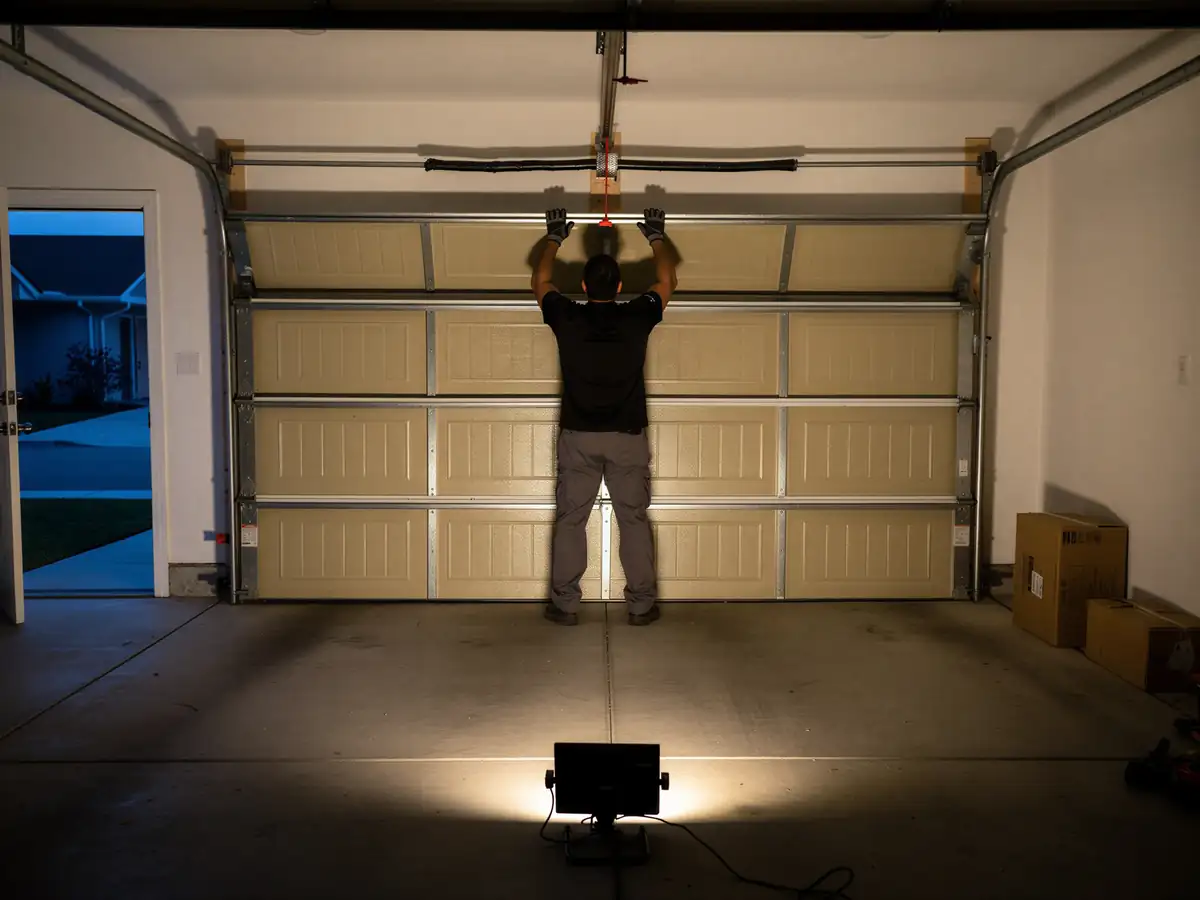
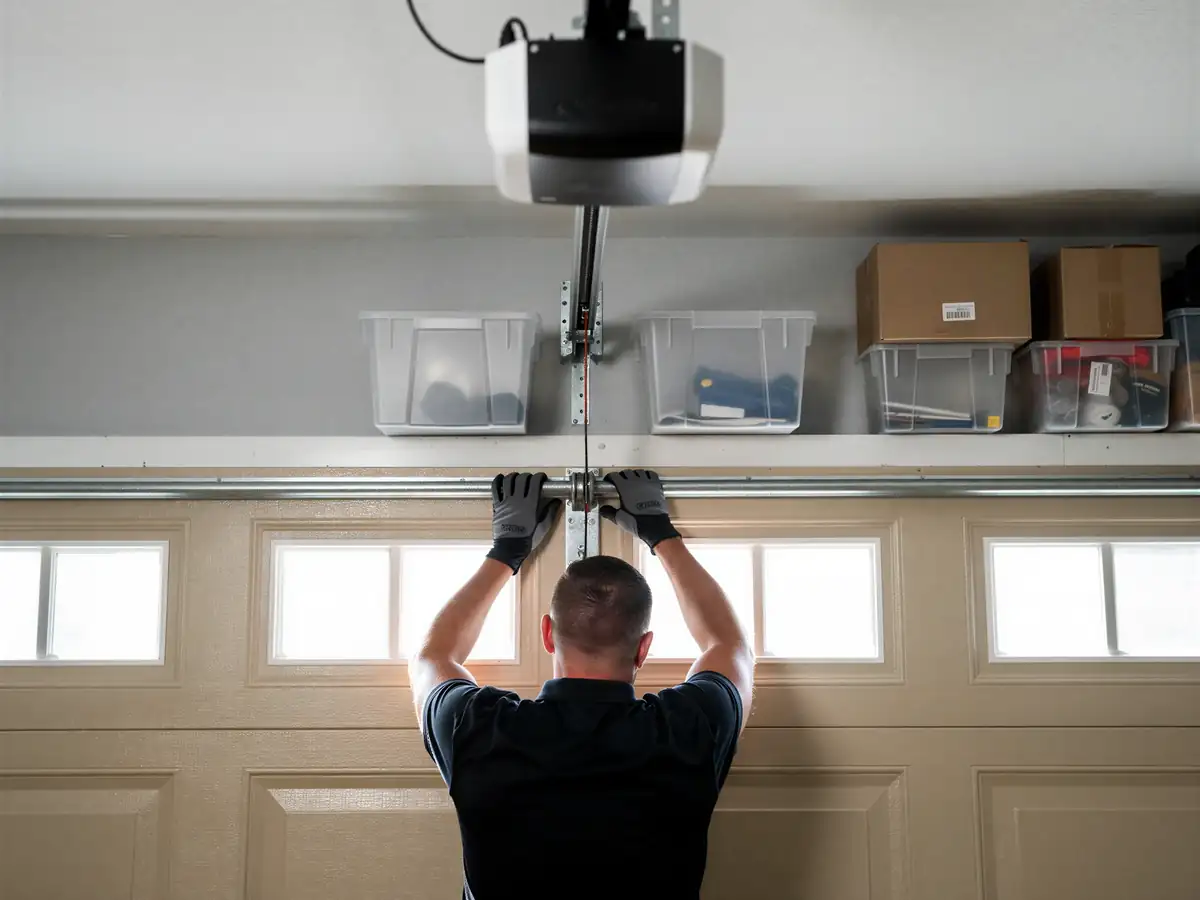
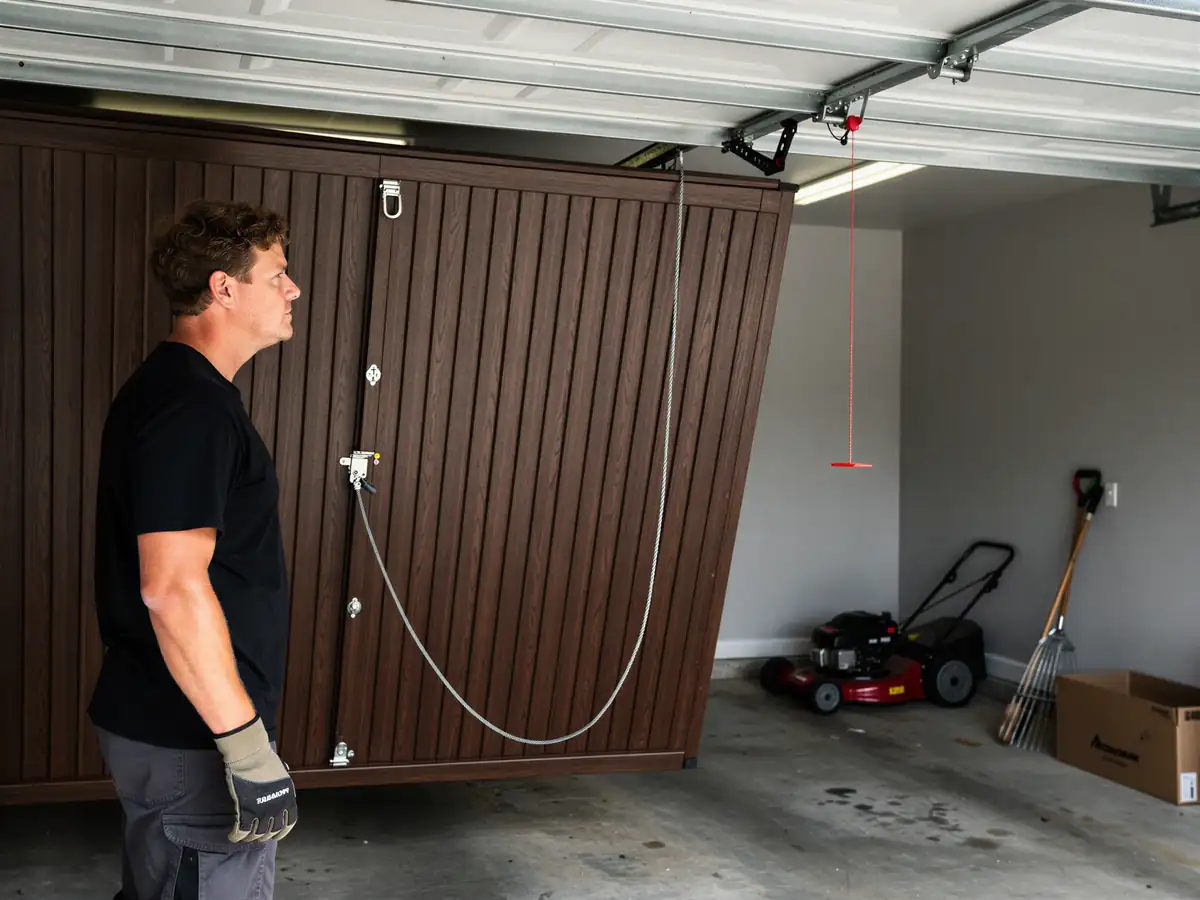
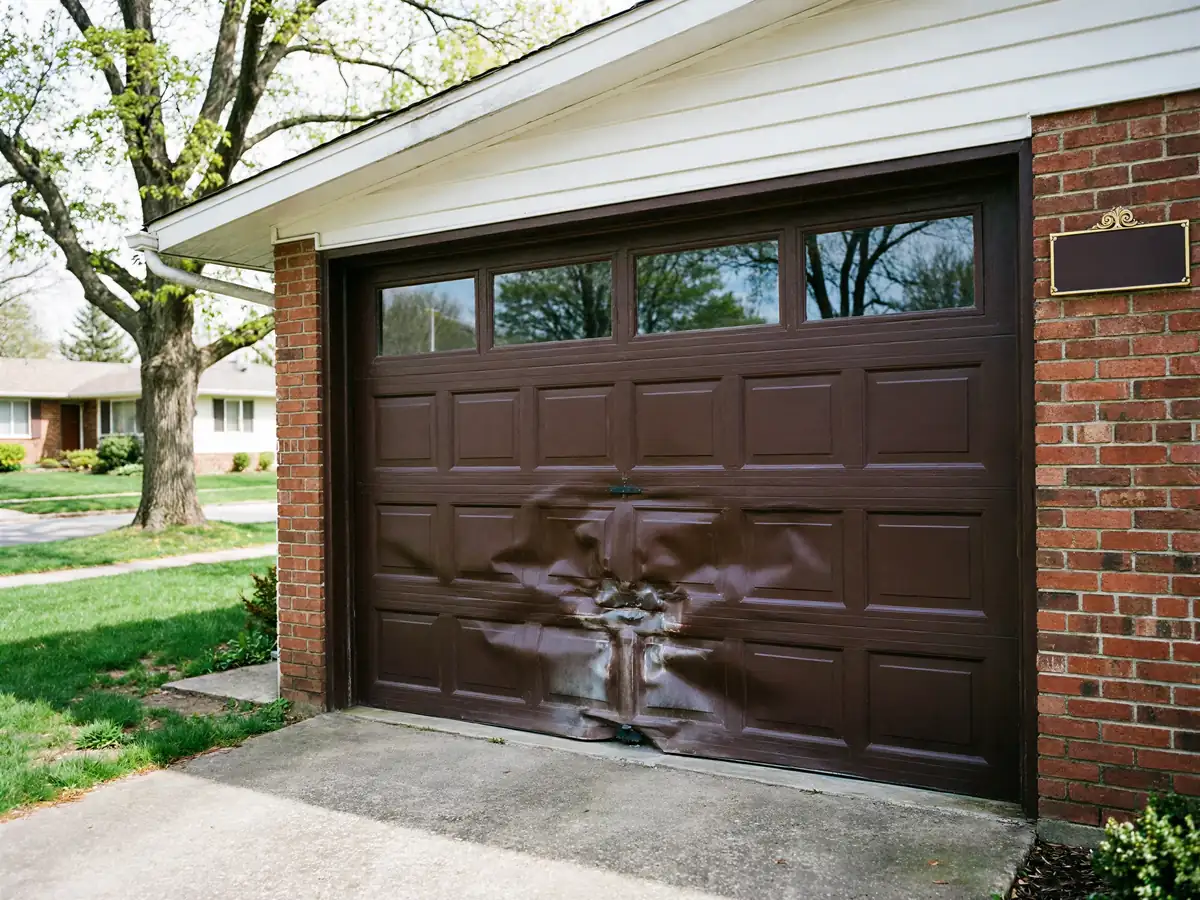
A door that won't lift, or lifts an inch and stops, usually means a broken torsion spring - common in houses from this build era because the springs installed new in the early 2000s are aging out together. A door that reverses halfway down, or won't close at all, points to the opener's safety sensors or the logic board, not the spring. If the door is crooked in the frame, off-track on one side, that's a cable or roller failure, and it's not something to force with the opener - running the motor against a jammed track burns out the drive gear. None of this is dramatic to look at from the driveway, which is part of why people wait a day or two before calling. With Westfield's median household income sitting near $119,598 and roughly 19,149 households in town, a lot of these are two-car garages with an opener that's never been serviced since the builder installed it - which is exactly the profile that fails without warning instead of giving you weeks of noise and slack cable to notice first.
The DIY Question
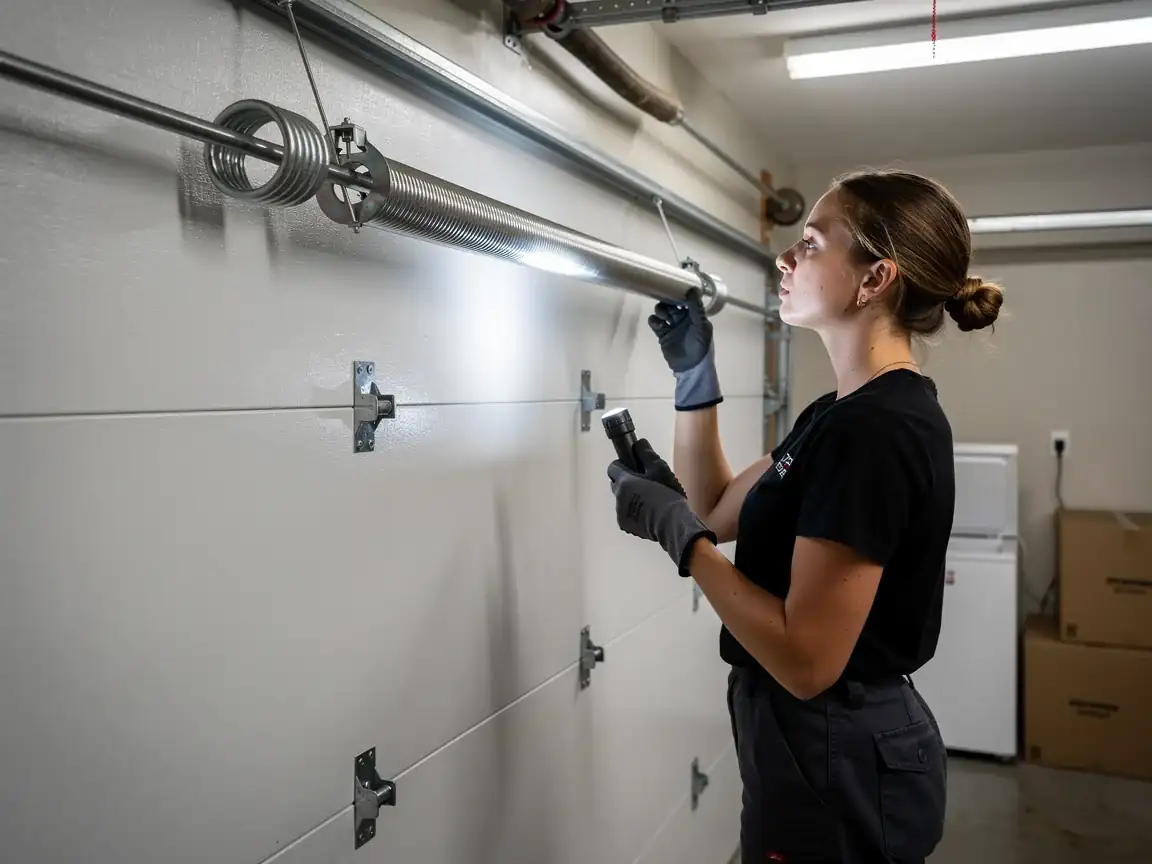
Some of this you can safely check yourself. Look at the track for a bent rail or a roller that's jumped out. Check whether the sensors at the bottom of the track are aligned and the little lights on them are solid, not blinking. Listen for a grinding or clicking from the opener motor versus silence - silence usually means a circuit or capacitor problem, not a mechanical one. What you should not touch is a torsion spring. It's wound under several hundred pounds of tension, and the tools to release that tension safely aren't something most people own or should buy for a one-time job. We also won't pretend every call needs a truck out from Indianapolis the same day - if the door still opens and closes, just slower or louder than it used to, that's worth a scheduled visit, not an emergency one. Saving the urgent slot for doors that are actually stuck, off-track, or won't close means we get to you faster when it's a real emergency.
What the Fix Involves
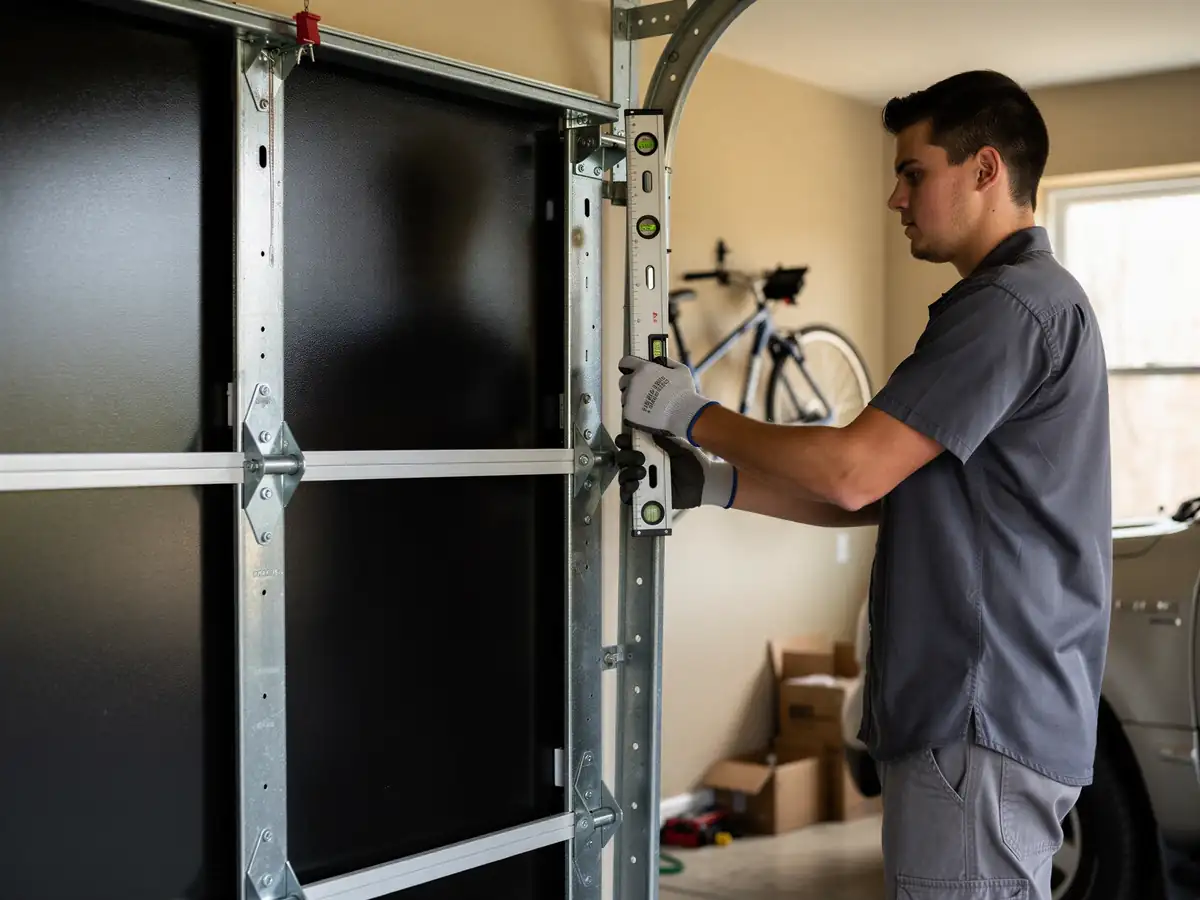
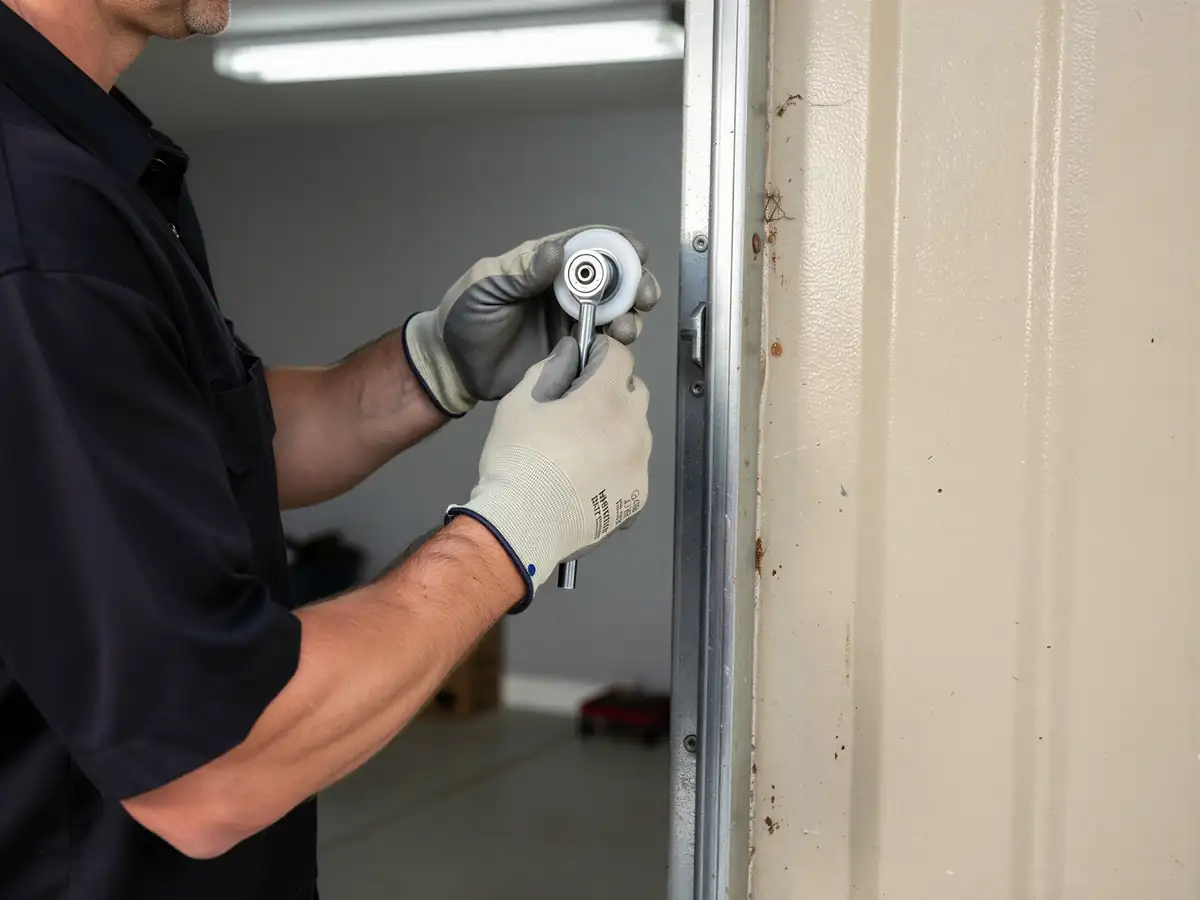
For a broken spring, the job is matching the replacement to the door's actual weight and cycle rating, not just swapping in whatever's closest on the shelf - undersized springs fail again within a year, and that's a second emergency call nobody wants. For opener issues on 2000s-era units, sometimes it's a sensor realignment that takes ten minutes, and sometimes the board itself has failed and needs a full opener swap, since boards for openers this old often aren't worth sourcing individually anymore. Off-track doors need the cable and roller inspected together - replacing one without checking the other usually means a return visit. We carry common spring sizes and opener parts that cover most of what fails in homes from this build period, but a less common opener model can mean a part has to be ordered, and we'll tell you that up front rather than string out a visit pretending we can finish it same-day when we can't.
Getting It Booked In
Because every call here means a drive from Indianapolis, the more you can tell us before we leave - whether the door is stuck open or shut, whether the opener makes noise, whether it's one spring or you can see two - the better we can load the truck and avoid a second trip. We'll give you a time window rather than an exact minute, since 18 miles of highway doesn't always cooperate. If you're not sure whether what you're dealing with is urgent, call anyway and describe it; we'd rather talk you through it on the phone than have you decide wrong in either direction.
How it works
From “it’s stuck” to “it’s fixed”
01
Tell us what’s wrong
Describe the symptom - won’t open, loud bang, opener runs but the door won’t move.
02
On-site diagnosis
A technician tests the door under power and by hand and finds what actually failed.
03
Clear, up-front plan
You get the fix that’s needed and what drives the cost - before any work starts.
04
Repaired & tested
The repair is done, the door is set true and tested, and the work area left clean.
Not sure which repair your door needs in Indianapolis, IN? Describe what it’s doing - every job starts with a diagnosis.
Straight answers about garage door repair in Indianapolis. Still unsure? Ask us directly.
How far out is Westfield from your Indianapolis location, and does that affect emergency calls?
It's about 18 miles. We don't keep a depot in Westfield, so every call is a drive in from Indianapolis. We give a time window instead of an exact minute for that reason, and knock out as much diagnosis as we can over the phone before we leave so the right parts are on the truck.
Why do so many Westfield garages seem to have the same spring problem around the same time?
Most of the housing here went up between 1997 and 2008, with the town's median landing around 2008. That means a lot of torsion springs installed new in that window are hitting the end of their rated cycle life around the same years, so failures cluster rather than spread out randomly.
Can I replace a broken torsion spring myself?
We don't recommend it. A torsion spring holds several hundred pounds of tension and the release tools aren't something most homeowners have. A bent rail, a loose roller, or misaligned sensors are fine to check yourself - the spring itself isn't a safe DIY job.
Do you stock parts for openers from the early 2000s?
We carry common spring sizes and opener parts that cover most of what's in Westfield's 2000s-built housing. A less common opener model can mean ordering a part, and we'll tell you that before we promise a same-day finish rather than after.