Opener Installation for Westfield's Newer Garage Doors
Westfield's 19,149 households sit mostly in houses built around 2008, which changes what opener fits. We install from Indianapolis, 18 miles out, matched to that newer stock.
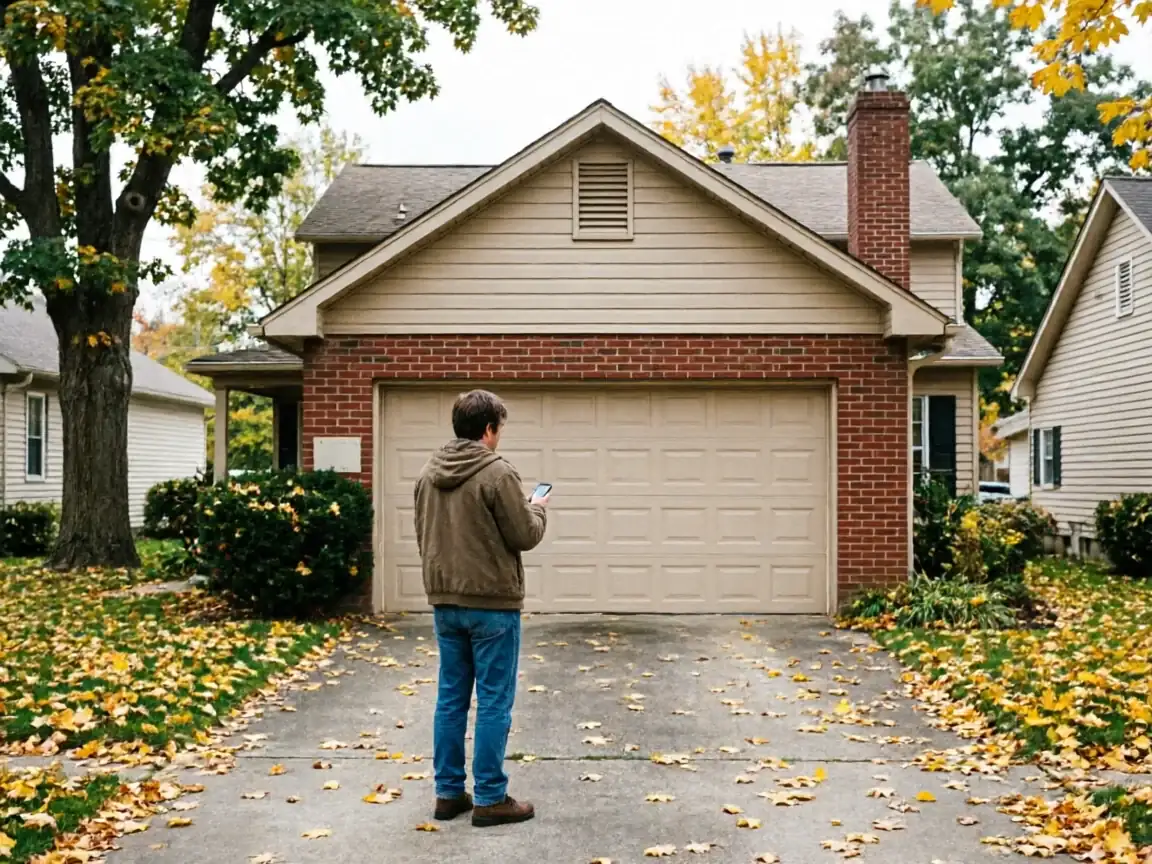
Westfield has about 19,149 households, which is a smaller, younger town than most of the places we cover out of Indianapolis. The difference that matters for an opener job isn't the count itself, it's what that count is made of: a lot of those houses went up around 2008, close to the top end of the service area's 1997-2008 build window. That means fewer old chain-drive units bolted to sagging jamb brackets, and a lot more builder-grade belt or chain openers from the early 2000s that are now 15-20 years into a service life that usually tops out around then. The circuit boards go first, then the logic board won't hold a code, then the safety sensors start throwing false trips. On a newer door, the track and springs are usually still fine, so the call is almost always about the opener itself, not the door it's lifting. That's a cleaner job than what we see in the city's older neighborhoods, where the opener failure is tangled up with a bent track or an undersized spring. In Westfield it's usually a straight swap, which keeps the job simpler and the cost lower, but it still has to be sized to the door and hung correctly.
What You Are Seeing
The usual signs: the opener runs but the door doesn't move, the remote works from the driveway but not from the car, or the unit reverses halfway up for no reason anyone can see. On a house built in the mid-2000s, this is almost always the motor unit itself failing, not the door. You might also notice the opener light flickers before the motor even engages, which usually means the circuit board is dropping power intermittently rather than failing outright. If your door was installed with the house around 2008, you're at the point in that unit's life where parts for it are getting hard to source even if you wanted to repair instead of replace. Winter makes failing openers worse here - a motor that's already weak has to fight stiff, cold-thickened grease on the rail, and that extra load is often what finally kills a board that was limping along in warmer months.
The DIY Question
Swapping an opener yourself is possible if you're comfortable on a ladder and know how to wire a wall button. Where it goes wrong: matching horsepower and drive type to the door's weight, getting the travel limits set so the door doesn't slam the floor or stall at the top, and installing the safety reversal sensors at the correct height and angle - a few inches off and they'll either trip constantly or not at all, and the second one is a real injury risk for anyone in the garage when the door closes. If your house is one of the newer ones around Westfield, the door itself is probably fine, so this is really an electrical and mechanical install job, not a structural one. That lowers the stakes some, but it doesn't remove them. We'll be straight with you: a simple like-for-like swap on a healthy door and track is one of the more DIY-friendly jobs in this trade. We still think it's worth a call if you're not confident with wiring or you don't own a torque wrench.
What the Fix Involves
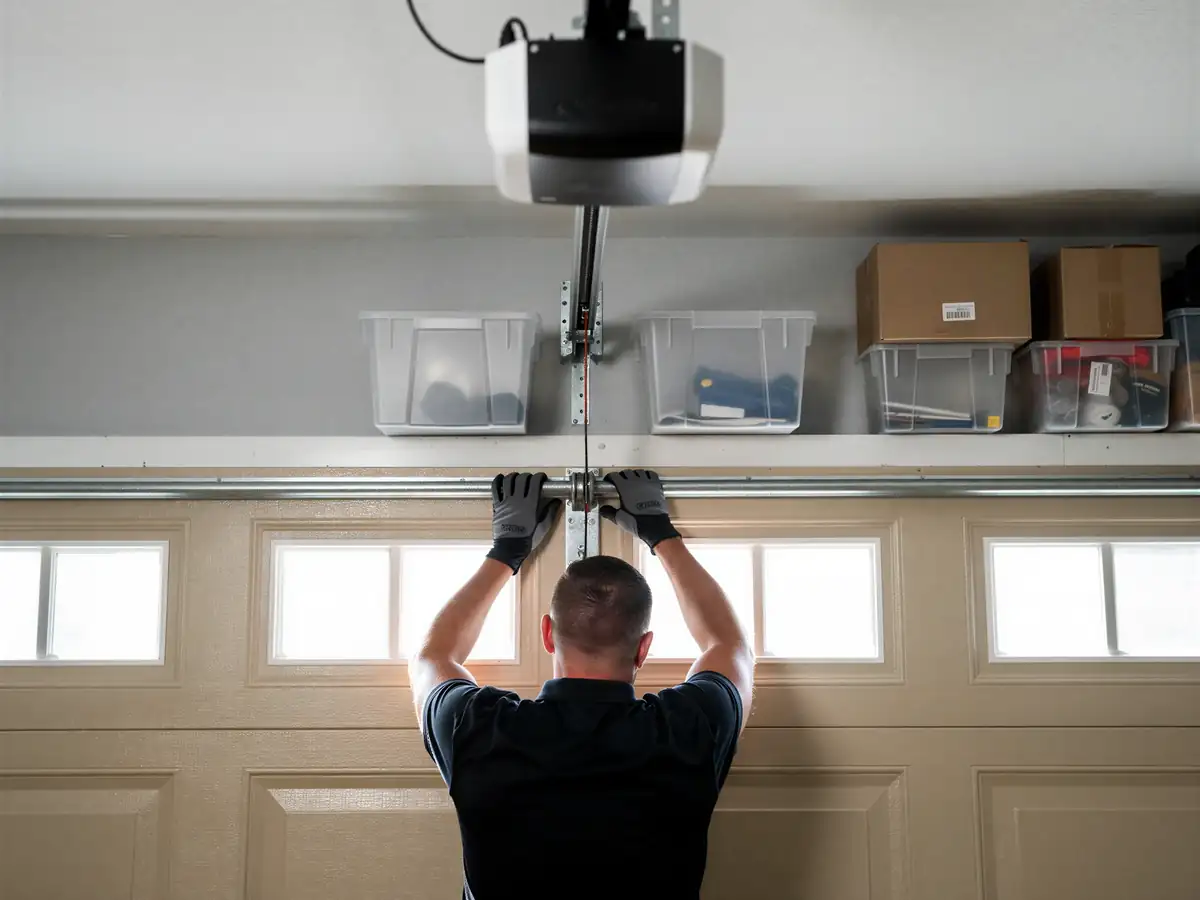
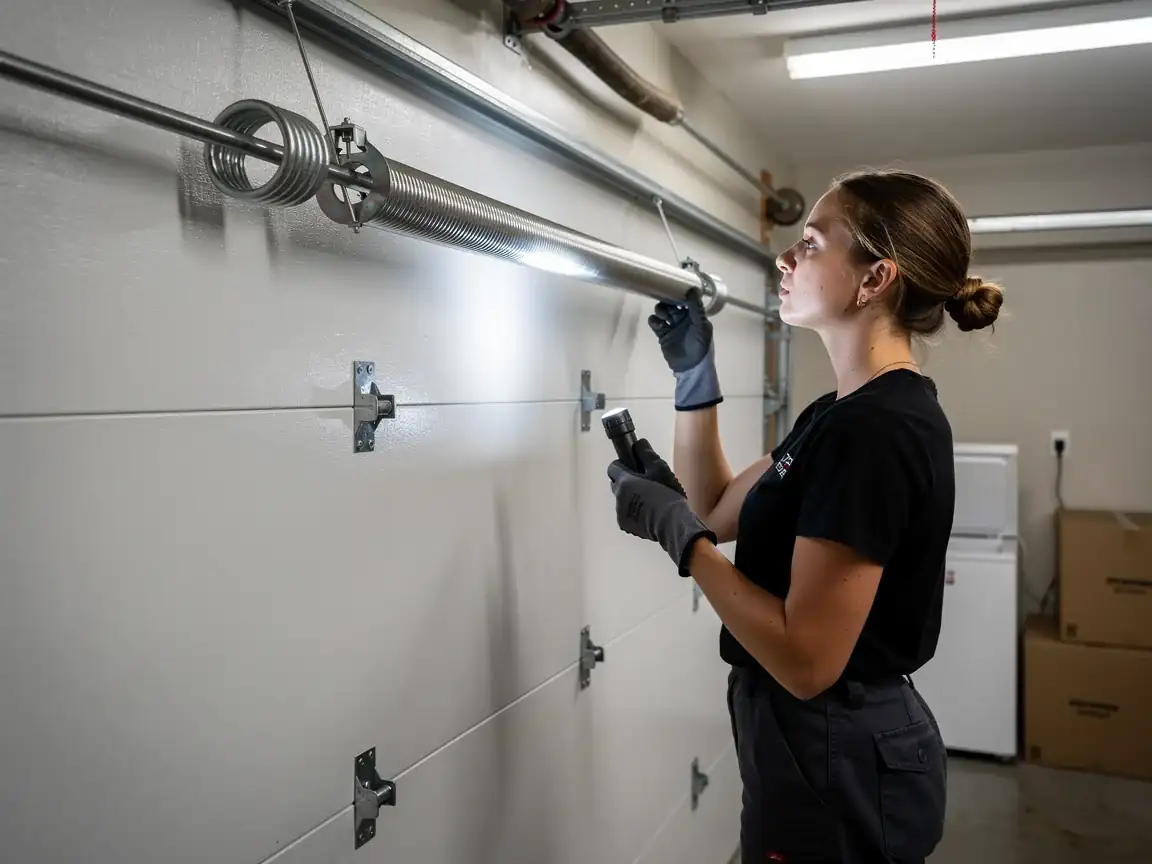
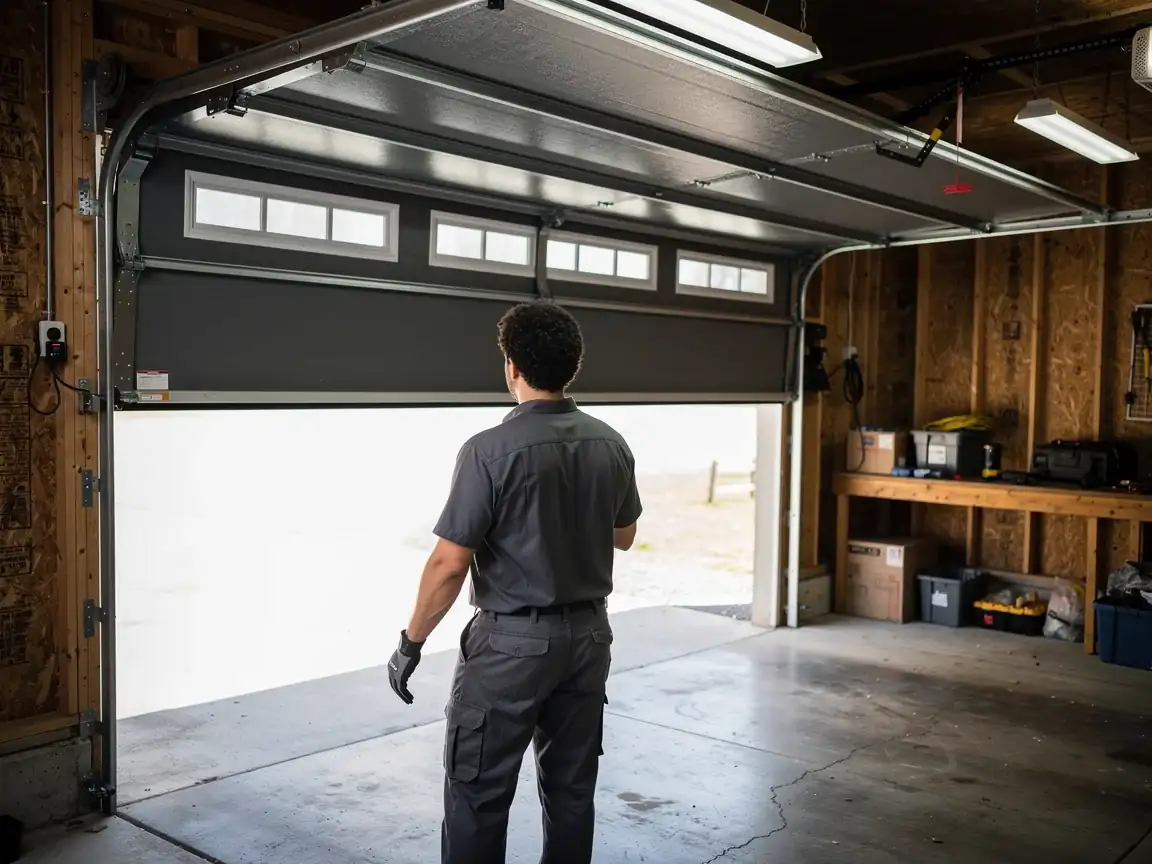
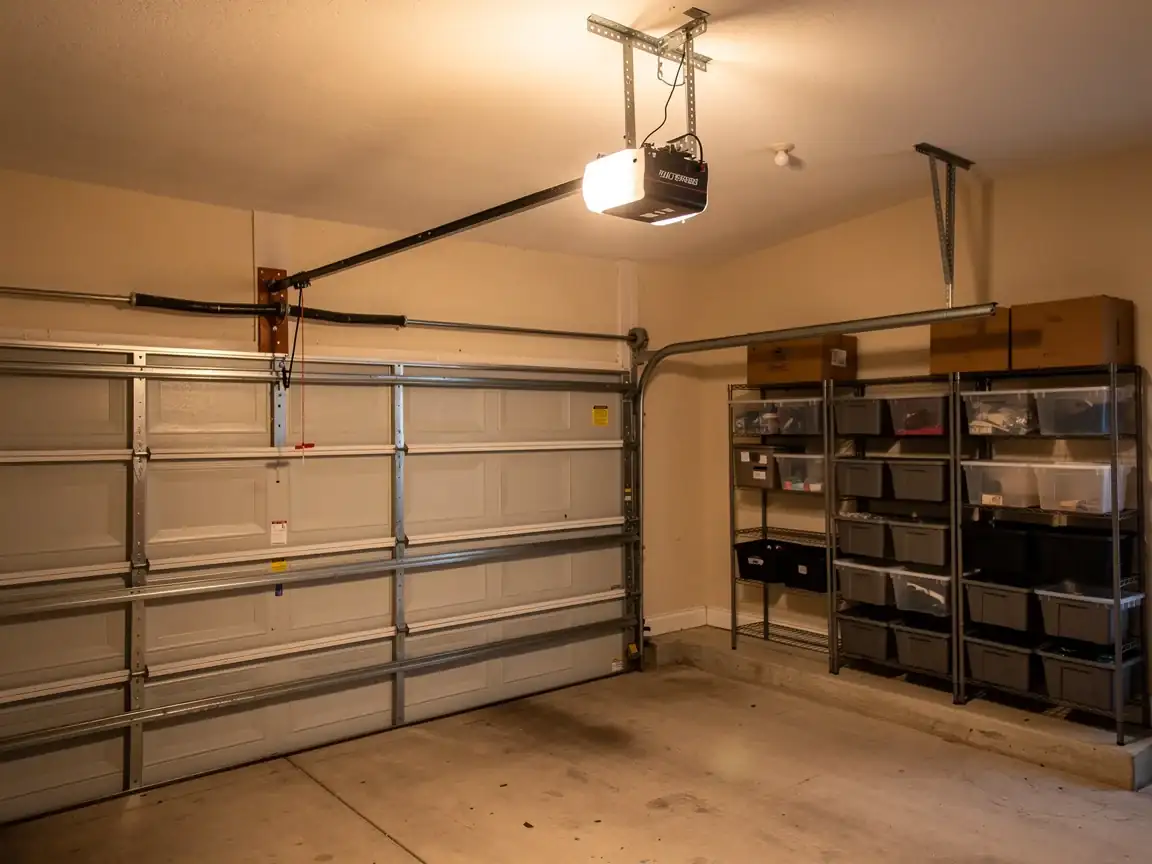
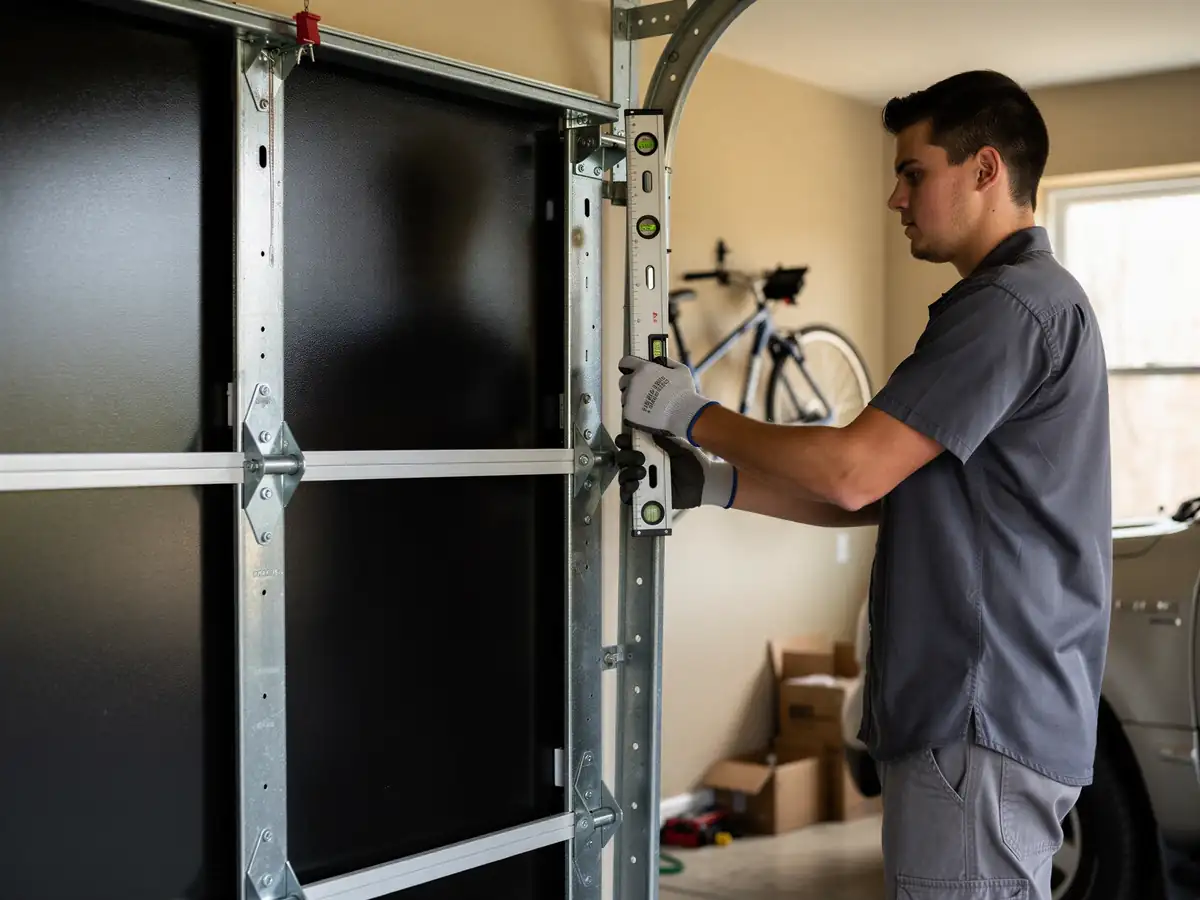
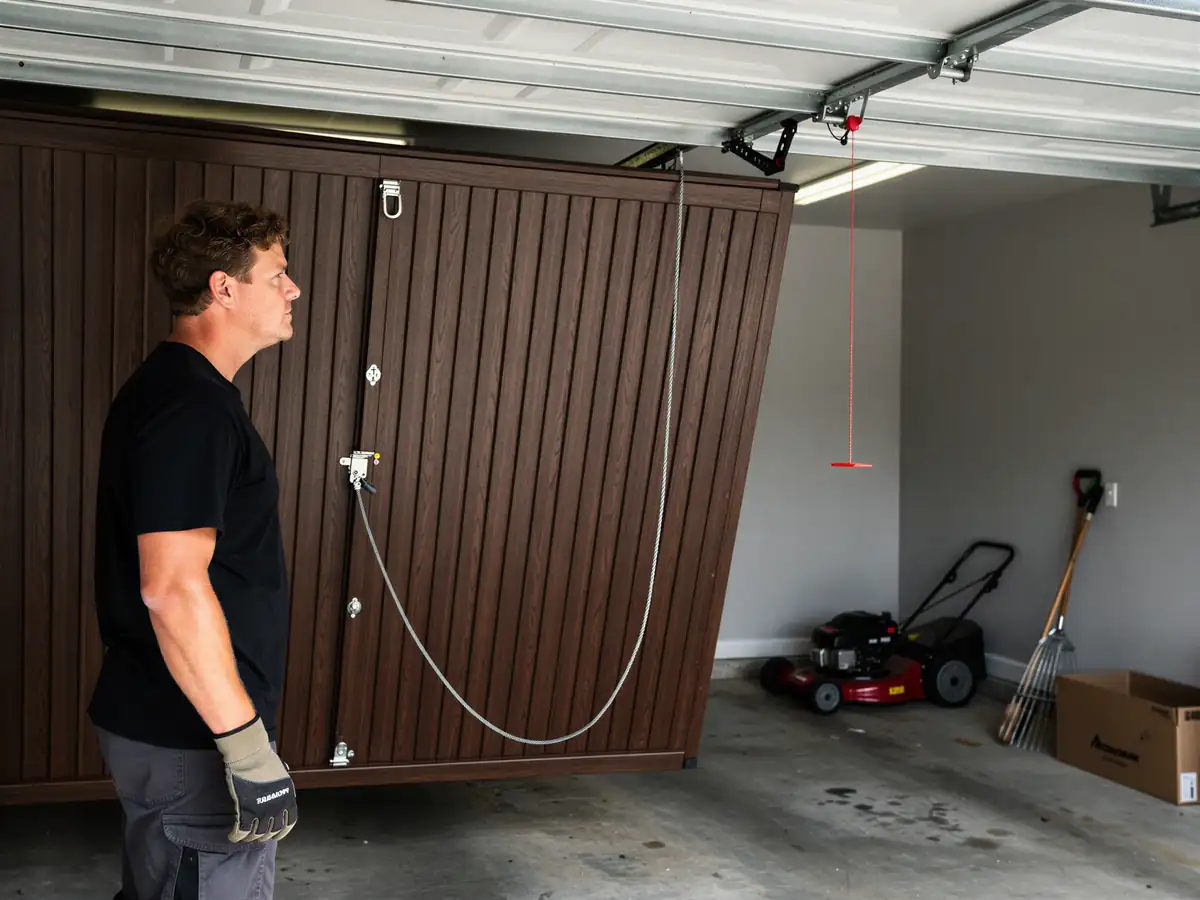
We pull the old unit, check the door balance first since no opener install is worth doing on a door that's out of spring tension, then mount the new rail and motor, wire the wall control and safety sensors, and set the travel and force limits by hand before we test it through a full open-close cycle. On the newer stock common around Westfield, this is usually a same-visit job because the header and track are already in good shape from the original 2000s install. One honest limitation: if your door was hung with non-standard hardware or the header bracket is undersized for a heavier belt-drive unit, we may need a part we don't carry on the truck, and that means a short return trip rather than a same-day finish. We'd rather tell you that up front than rush a mount that won't hold.
Getting It Booked In
We run this job out of Indianapolis, about 18 miles from Westfield, so we schedule the opener install alongside other calls in the area rather than dispatching a standalone trip for one job. That keeps the price reasonable without a dedicated local crew sitting idle between calls. If something about your door looks off before we even get to the opener - a bent track, a cable off the drum - that's a separate repair conversation, and you can read more about that on our Westfield garage door repair page. For the broader rundown of opener brands, drive types, and what we install across the whole service area, see the Indianapolis opener installation page.
How it works
From “it’s stuck” to “it’s fixed”
01
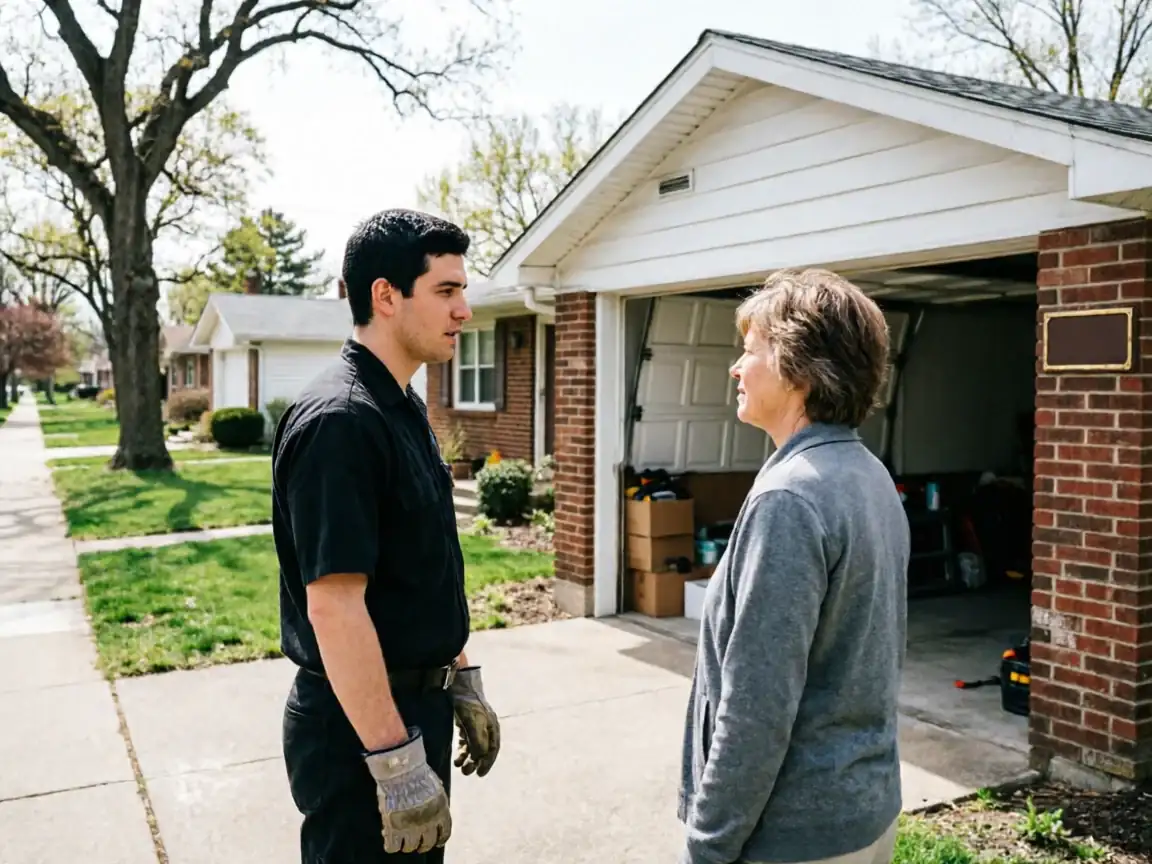
Tell us what’s wrong
Describe the symptom - won’t open, loud bang, opener runs but the door won’t move.
02
On-site diagnosis
A technician tests the door under power and by hand and finds what actually failed.
03
Clear, up-front plan
You get the fix that’s needed and what drives the cost - before any work starts.
04
Repaired & tested
The repair is done, the door is set true and tested, and the work area left clean.
Not sure which repair your door needs in Indianapolis, IN? Describe what it’s doing - every job starts with a diagnosis.
Straight answers about garage door repair in Indianapolis. Still unsure? Ask us directly.
Will my opener wiring be out of date if my house was built around 2008?
Not usually. Houses from that era typically already have a dedicated outlet and wall switch wiring that works fine with a modern opener. The thing most likely to need updating is the opener unit itself, since most units from that build window are now past their typical service life.
Do you carry openers that fit older Westfield doors too?
Yes, we size the opener to the door regardless of when it was built, not to the house's age. Most of Westfield's stock is newer, 2000s-era doors, but we still check door weight and header clearance on every job before recommending a unit.
Is it worth repairing an old opener instead of replacing it?
If the board is more than 15 years old and failing, replacement is usually the better call since parts for that generation of board are getting scarce. We'll tell you plainly if a repair makes more sense for your specific unit instead of pushing a replacement.