Garage Door Repair for Westfield's 2000s-Era Homes
Westfield homes built mostly between 1997 and 2008 are hitting original-spring failure age. We travel from Indianapolis to fix torsion springs, openers, and cold-weather binding.
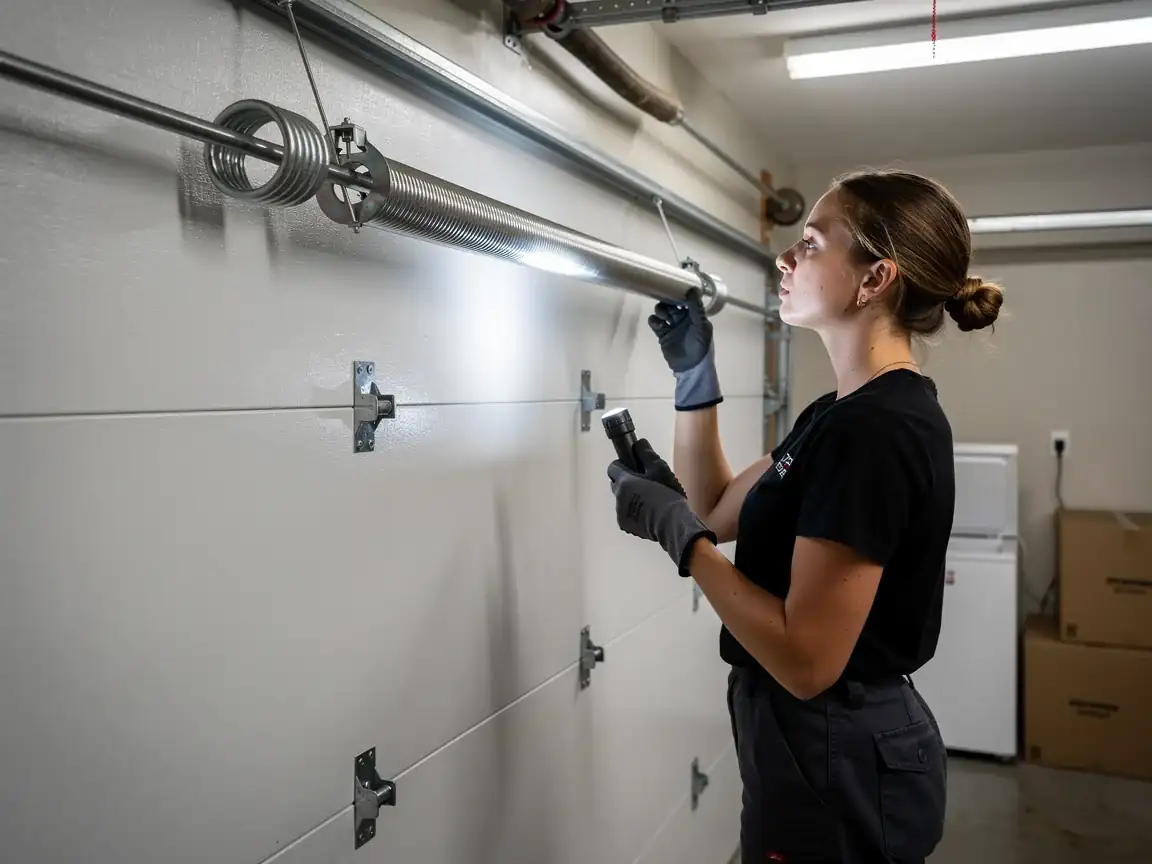
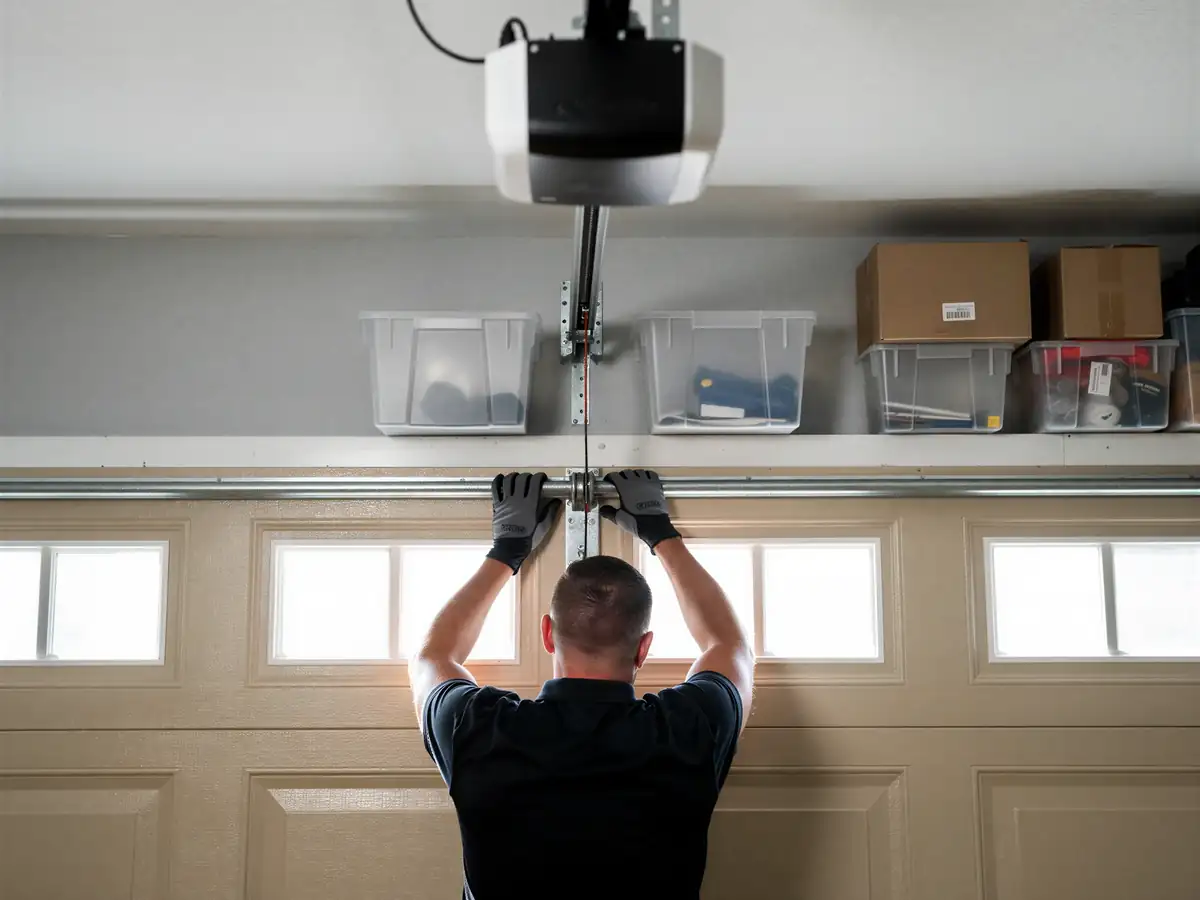
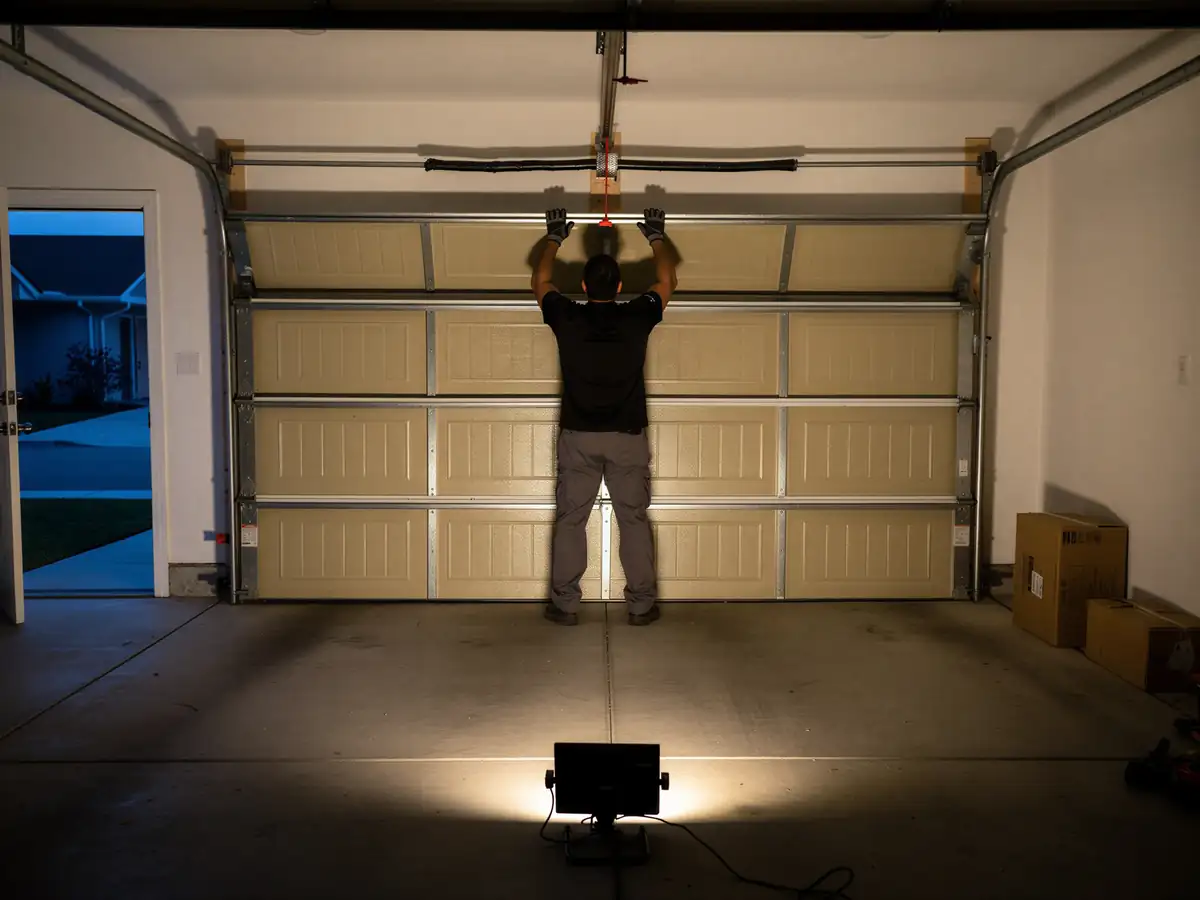
The fault we see most in Westfield isn't a bent track or a dented panel. It's a torsion spring that's simply worn out - and it's worn out on a schedule, not by accident. A torsion spring is rated for a number of open-close cycles, usually somewhere between 10,000 and 15,000, and a door used twice a day burns through that in 10 to 15 years.
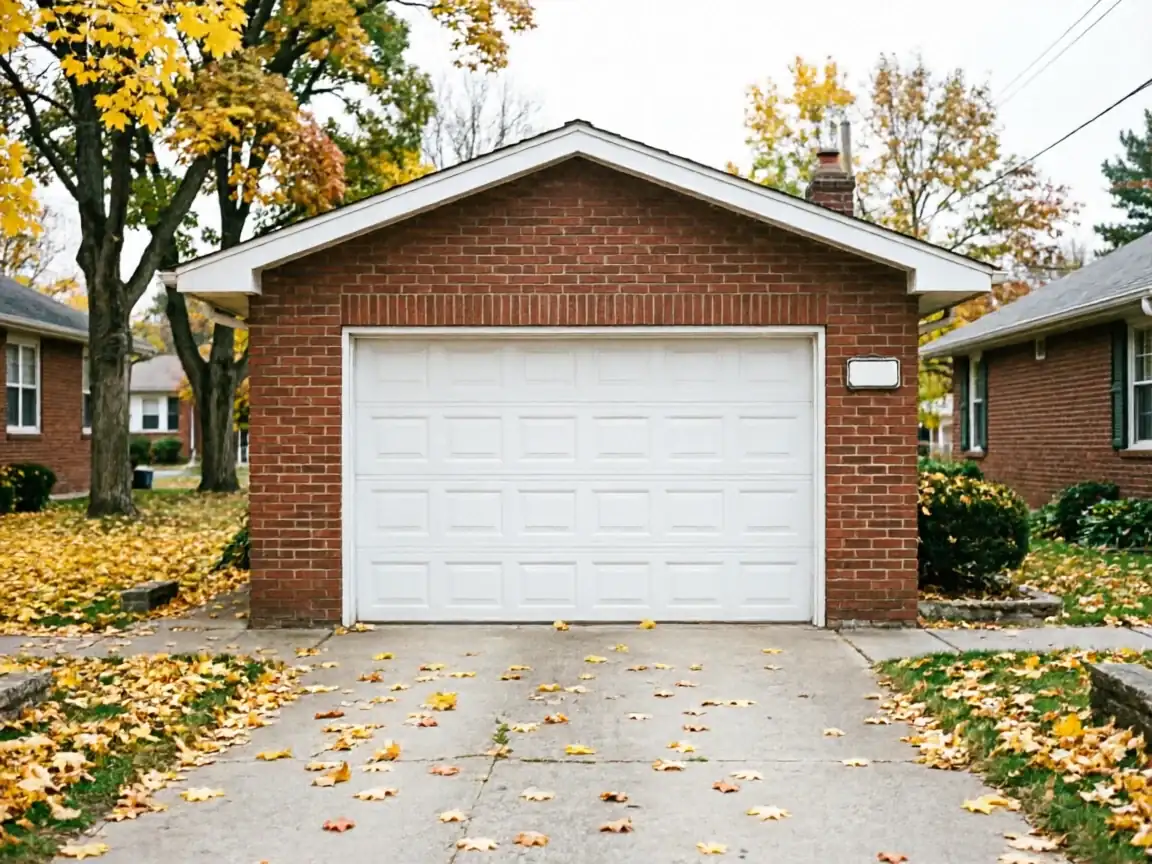
That math matters here because of when the houses went up. Across this area the housing stock is mostly 1997 to 2008, with a median build year of 2000 - and Westfield's own median lands right at 2008. That means a large share of the springs on these doors are original equipment, installed when the house was framed, and they are now sitting at or past the age where they let go. When a spring snaps, the door won't lift, or it slams down hard on the way closed. That's not bad luck. That's a part that did its job for fifteen years and quit.
What You Are Seeing
01
If the door won't budge and the opener motor just hums, that's usually the spring, not the opener
The motor isn't built to lift a door's full weight alone. A door that lurches unevenly, with one side dropping faster than the other, often means one spring has gone on a two-spring setup while the other is still holding.
02
Cold is the other factor worth naming plainly
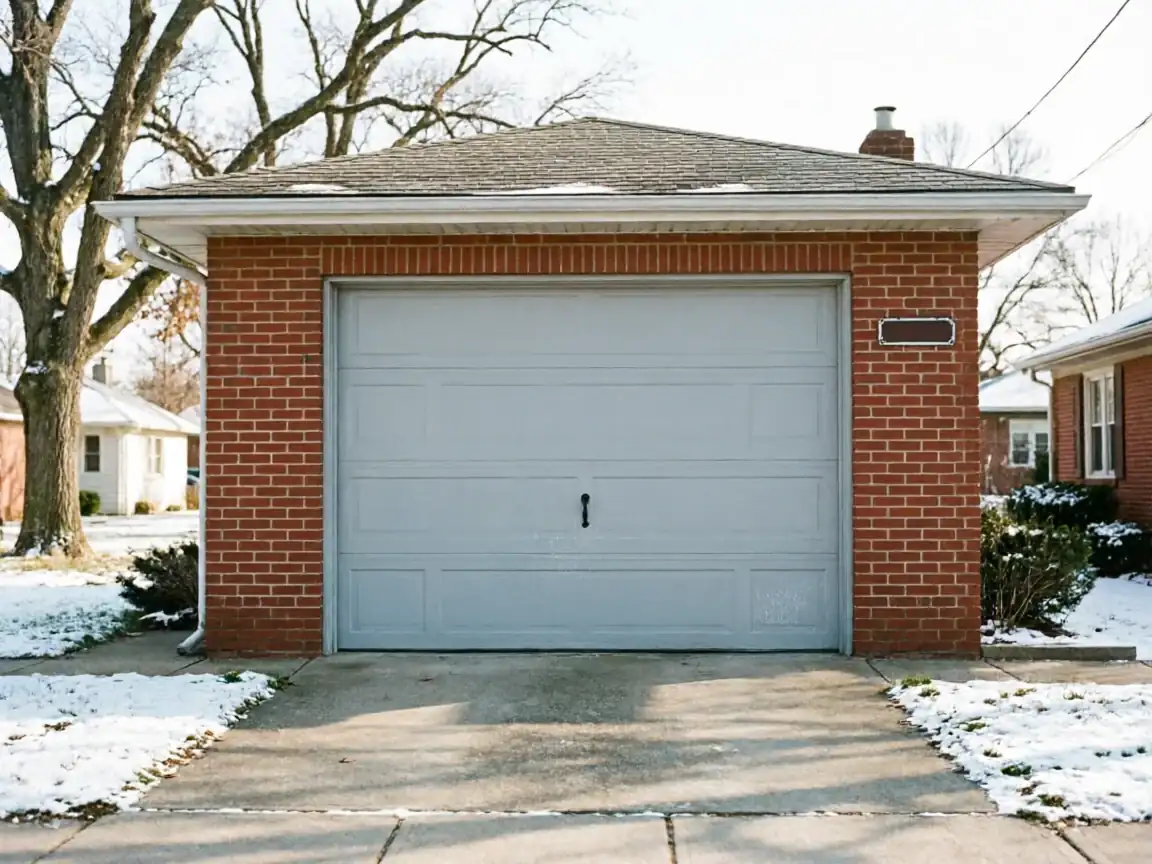
This area sits in a severe cold climate band, and steel springs and cables lose a bit of flex and tolerance in hard winter cold. A spring that was already near the end of its cycle life is more likely to fail on a sub-freezing morning than a mild one - the metal is stiffer and less forgiving right when you're yanking the door open to get the car out. If you hear a loud bang from the garage in January, that's very likely the spring, and it's not something to put off.
The DIY Question
Don't touch the spring yourself. A torsion spring is wound under enough tension to break a finger or worse, and the tools to set that tension safely aren't something most homeowners own or should buy for a one-time job. This is the one place in garage door work where we'll flatly tell you to call rather than watch a video and try it.
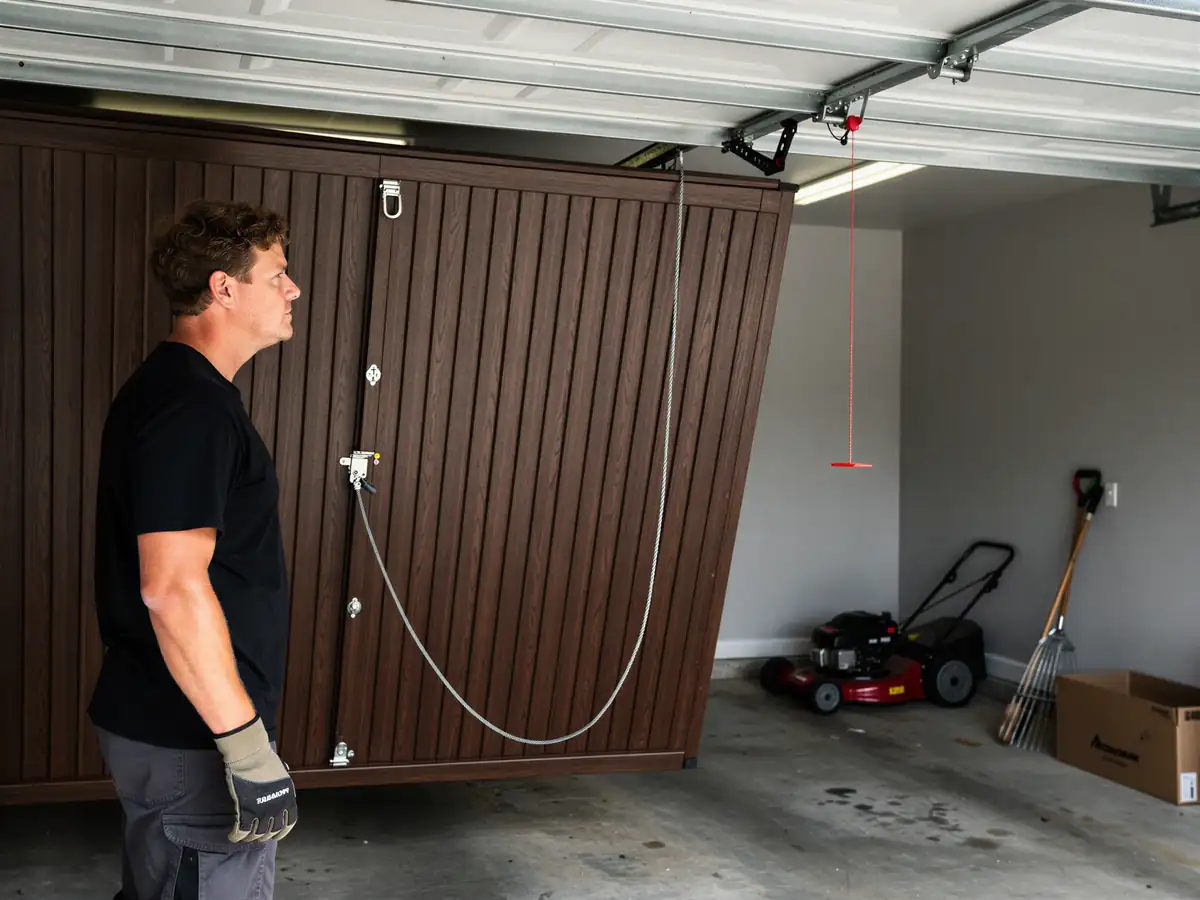
What you can check yourself: whether the opener has power, whether the manual release cord is engaged (a door that won't move sometimes just got disconnected from the opener by accident), and whether the tracks are visibly bent or the rollers are sitting outside them. Those are low-risk to look at. The spring, the cables, and anything holding the door up under tension is not a DIY repair, full stop. We'd rather lose the job to your caution than gain one to your stitches.
What the Fix Involves
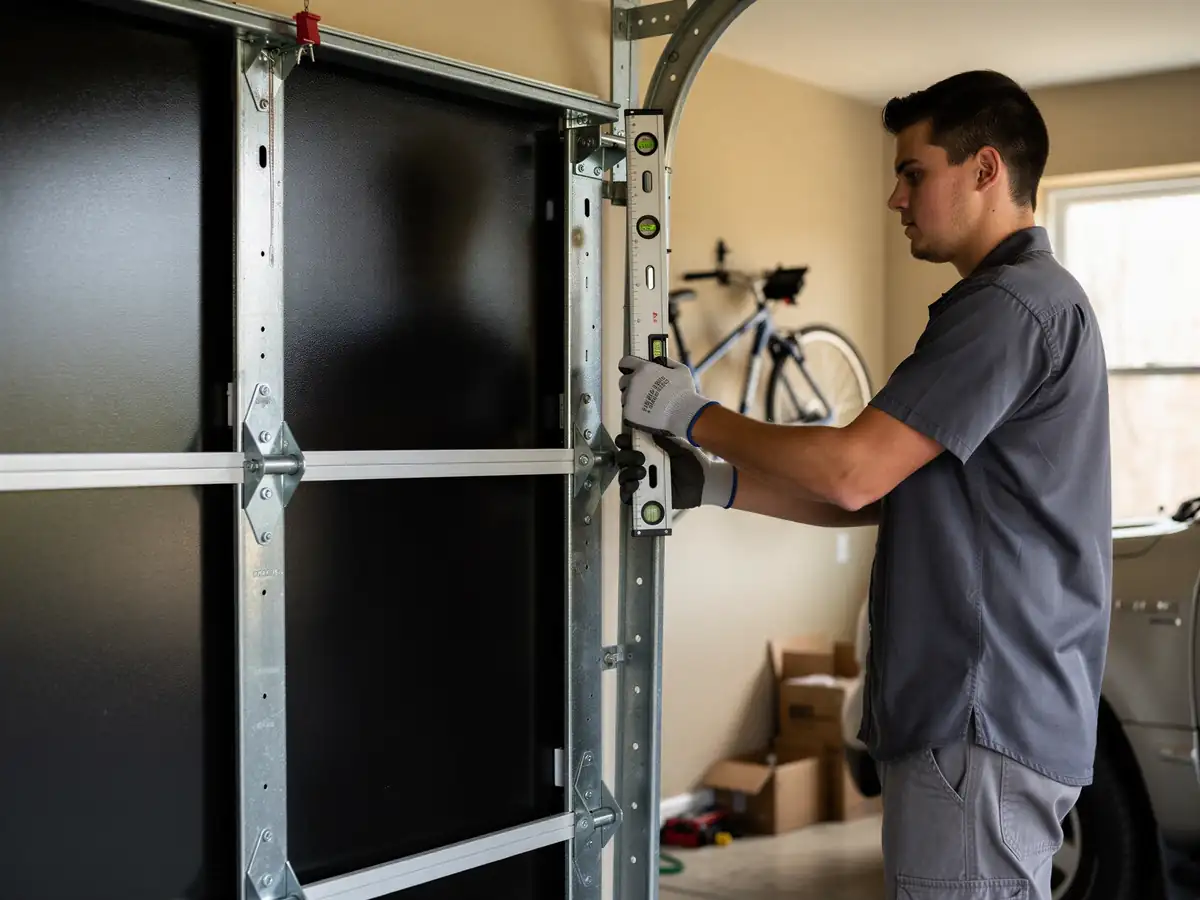
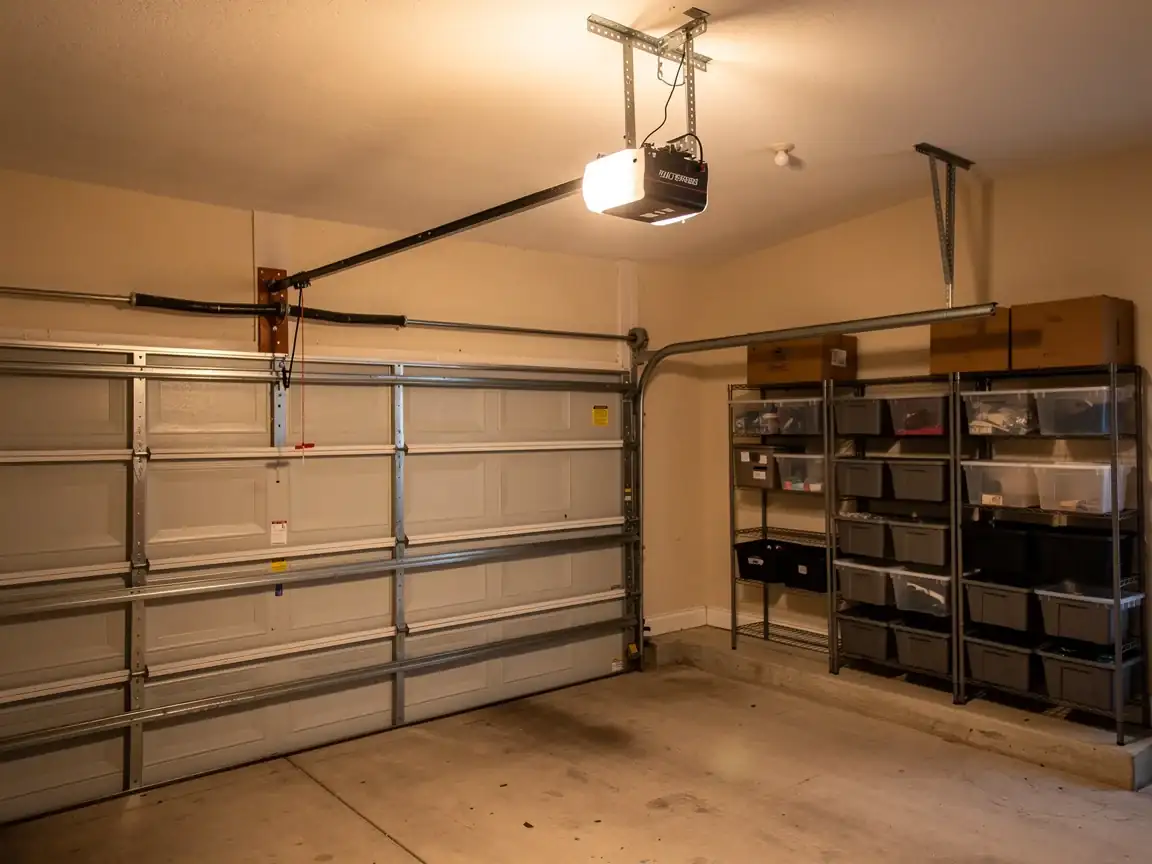
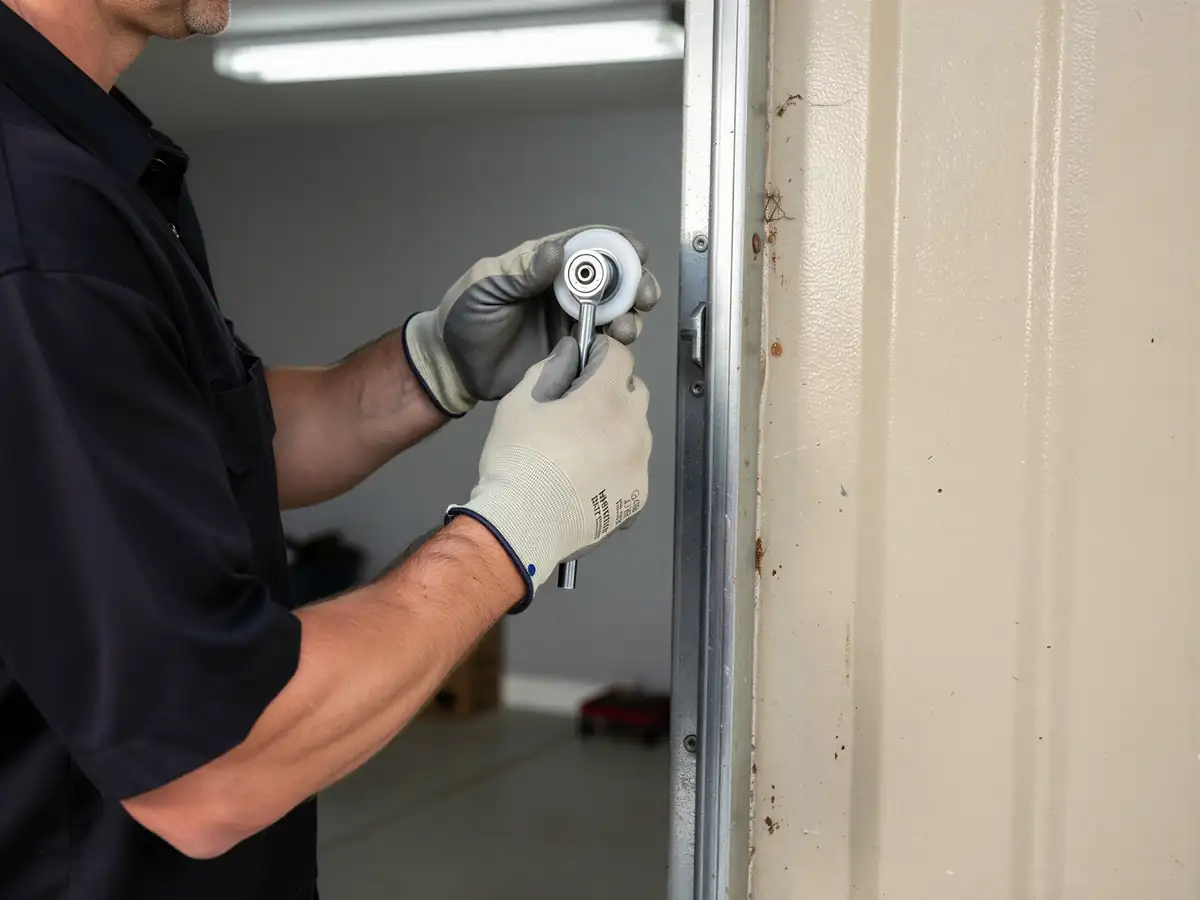
A spring replacement means matching the new spring's wire size, length, and wind direction to the door's actual weight - not just swapping in whatever's on the truck. On a lot of these 2000s-era Westfield builds that's a standard double-door torsion setup, sometimes a pair of springs on a single shaft, and we size for the pair rather than one at a time so the door doesn't go lopsided again in a year.
We also check the cables and the drums while the spring is off, since a cable frayed by the same cycle count often fails not long after a spring does, and replacing one without checking the other just means a second call. If the opener's circuit board or sensors are also showing their age, we'll say so plainly rather than quote a spring job and let a second problem surface a month later. One honest limitation: if the door itself has warped or the track is bent beyond a clean adjustment, a spring fix won't solve it, and we'll tell you that a door replacement is the better money, not the add-on repair.
Getting It Booked In
01
We cover Westfield from Indianapolis, about 18 miles out, along with Carmel, Fishers, and Zionsville
We don't run a branch office in Westfield itself, so we're not promising a set arrival window here - just that the job gets scheduled and the truck comes loaded for the spring and cable work this housing stock tends to need.
18 miles
02
Have the door's basic info ready when you call
Single or double, how old the house is, and whether it's one spring or two across the top. That's usually enough for us to bring the right part on the first trip instead of a second one. For the rest of what we handle beyond this one repair, see our main Indianapolis service page.
How it works
From “it’s stuck” to “it’s fixed”
01
Tell us what’s wrong
Describe the symptom - won’t open, loud bang, opener runs but the door won’t move.
02
On-site diagnosis
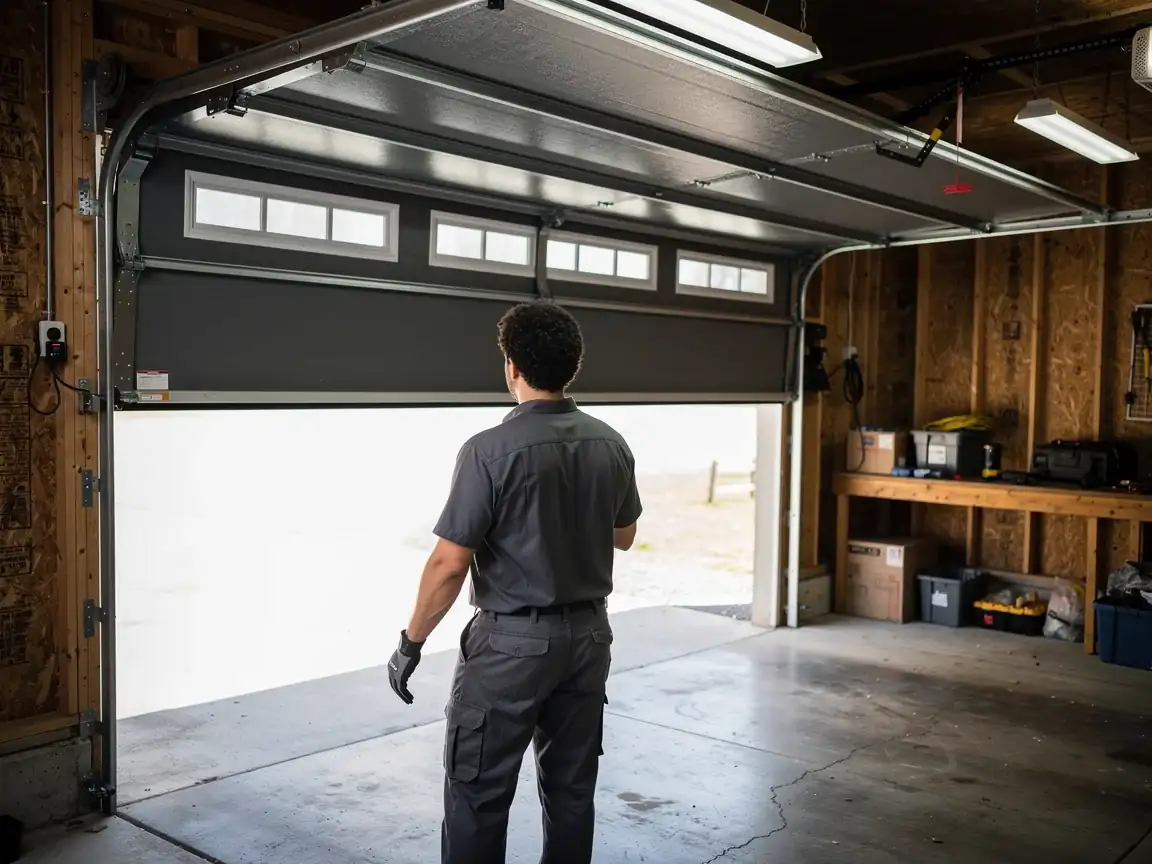
A technician tests the door under power and by hand and finds what actually failed.
03
Clear, up-front plan
You get the fix that’s needed and what drives the cost - before any work starts.
04
Repaired & tested
The repair is done, the door is set true and tested, and the work area left clean.
Not sure which repair your door needs in Indianapolis, IN? Describe what it’s doing - every job starts with a diagnosis.
Straight answers about garage door repair in Indianapolis. Still unsure? Ask us directly.
How old does a garage door spring usually last in Westfield?
Most torsion springs are rated for 10,000 to 15,000 cycles, which works out to roughly 10 to 15 years on a door used a couple times a day. Since a lot of Westfield's housing stock dates to the late 1990s through 2008, many of these springs are original to the house and are now at or past that age, which is why failures are common right now.
Why does my spring always seem to break in winter?
This area sits in a severe cold climate band, and steel loses some flexibility in hard cold. A spring already near the end of its rated cycle life is more likely to snap on a freezing morning than a mild one, since the metal is stiffer right when you're putting full load on it.
Can I replace a garage door spring myself?
We don't recommend it. A torsion spring holds enough stored tension to cause a serious injury if it's wound or unwound without the right bars and technique. It's one of the few garage door jobs we'd tell any homeowner to leave to someone who does it regularly.
Do you have a branch in Westfield?
No. We're based in Indianapolis and travel to Westfield, about 18 miles away, along with Carmel, Fishers, and Zionsville. There's no local office here, just a scheduled visit from the Indianapolis truck.