Garage Door Repair for Westfield's 2000s-Era Homes
Westfield homes mostly went up around 2008, so the original springs and openers are hitting the end of their factory life. We come from Indianapolis to fix what's original.
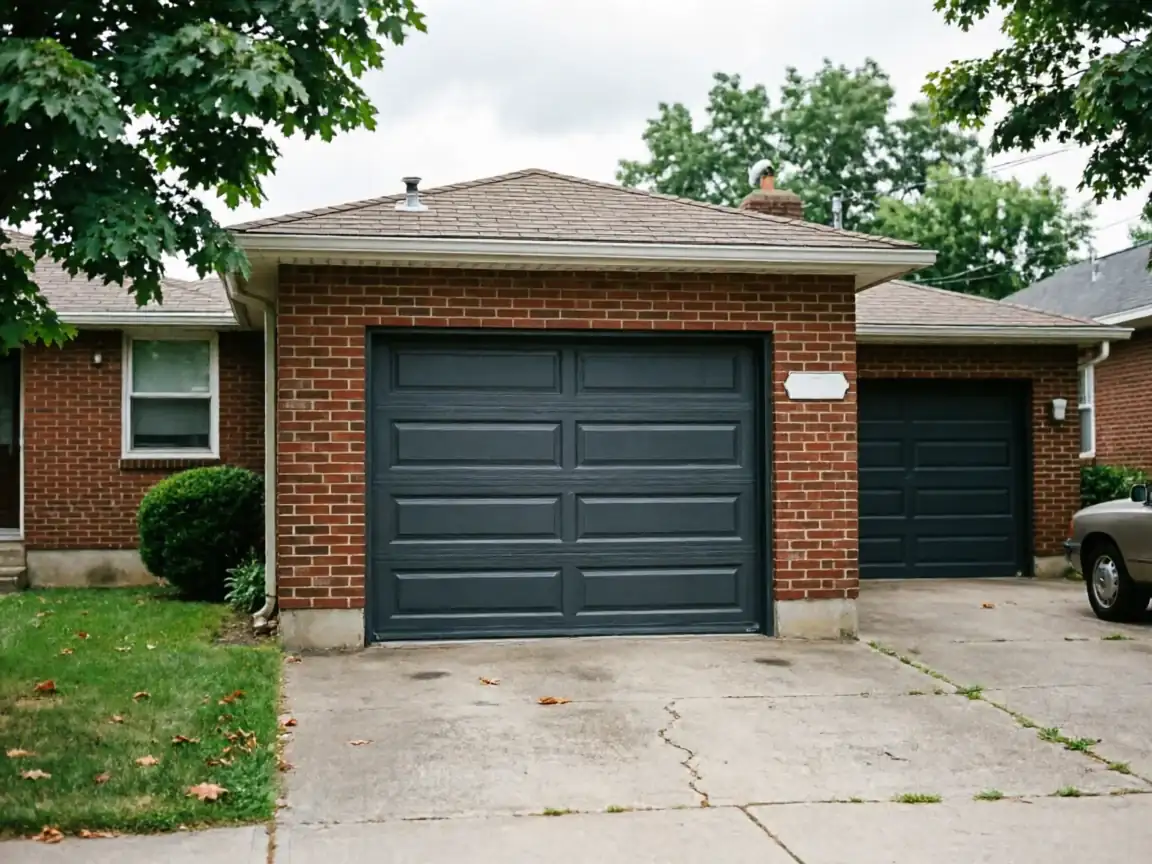
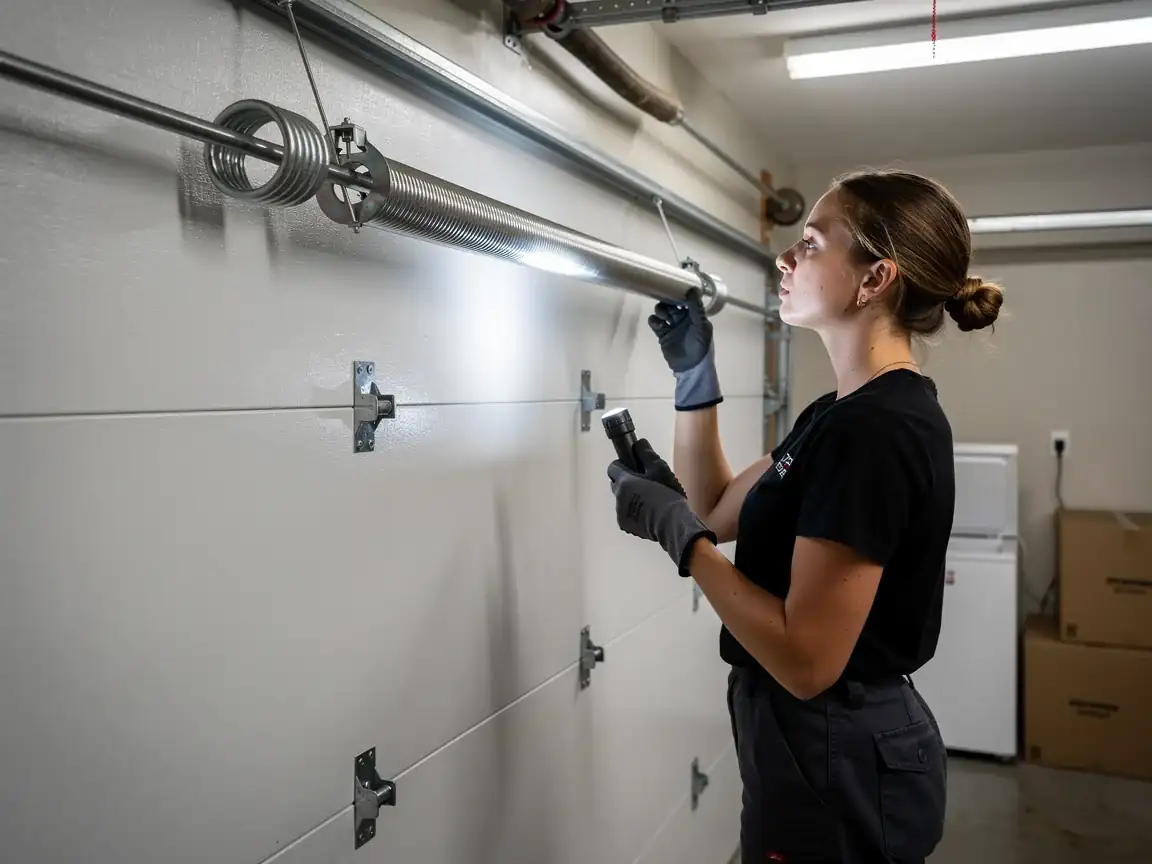
Most houses in Westfield were built between 1997 and 2008, with the median landing right around 2008. That matters more than people think. A torsion spring is rated for a set number of open-close cycles, usually somewhere between 10,000 and 15,000, and a door that's been in daily use since the mid-2000s is well into that range now. The opener motor is in the same spot. If nobody's touched it since the house was built, you're not looking at a bad batch or a defect - you're looking at a part doing exactly what it was built to do, for exactly as long as it was built to do it. Compare that to the older core of Indianapolis, where original hardware from decades back has usually already been swapped once or twice. In Westfield, a lot of what's failing right now really is original, first-generation equipment finally reaching the end of its rated life, not something replaced and now failing early. The winters here are the other half of it. A cold-climate severe band means steel contracts, grease stiffens, and a spring already near its cycle limit gets pushed over the edge on the first hard freeze of the season.
What You Are Seeing
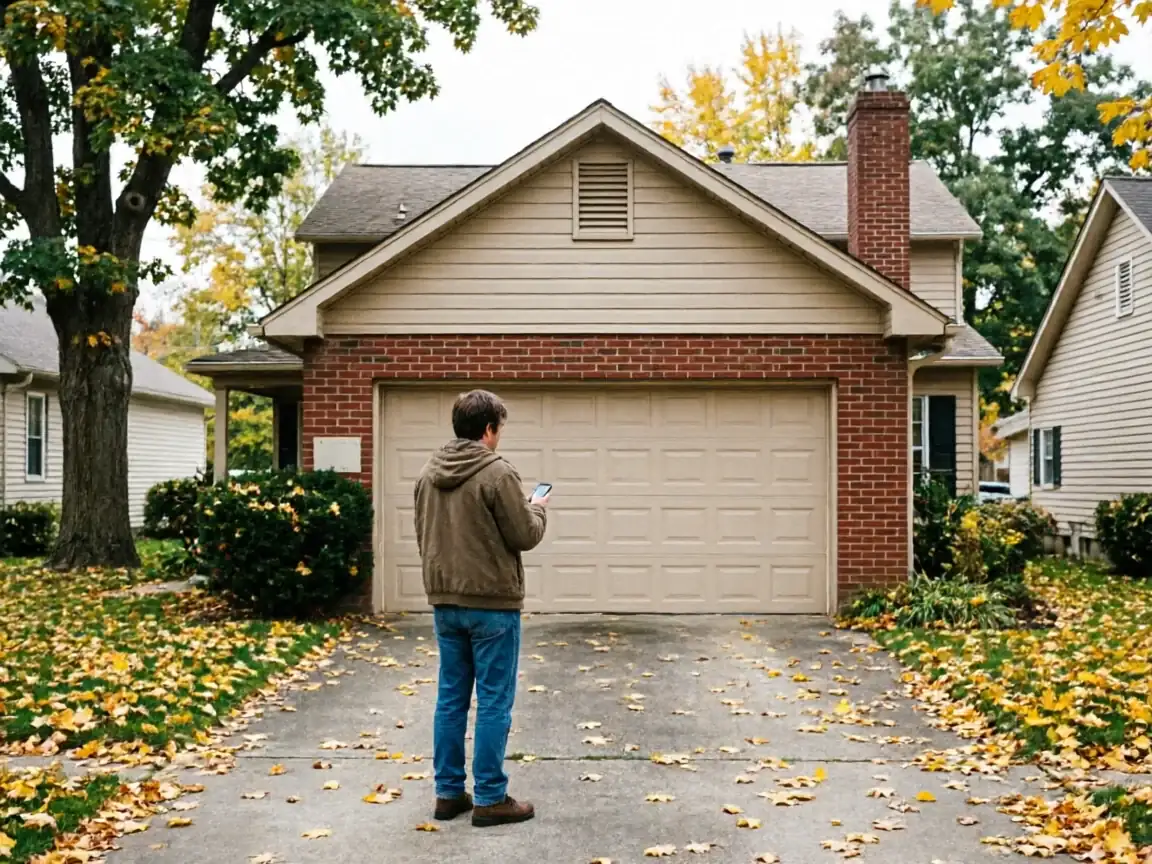
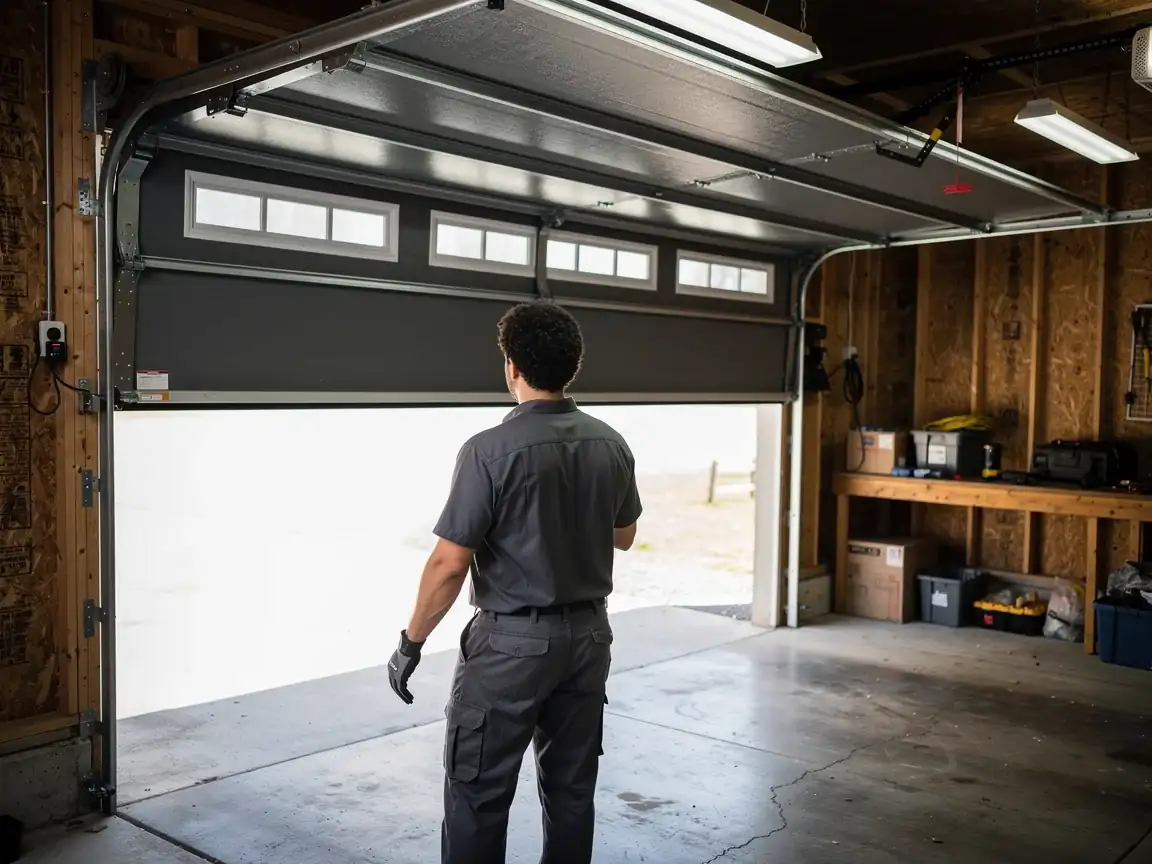
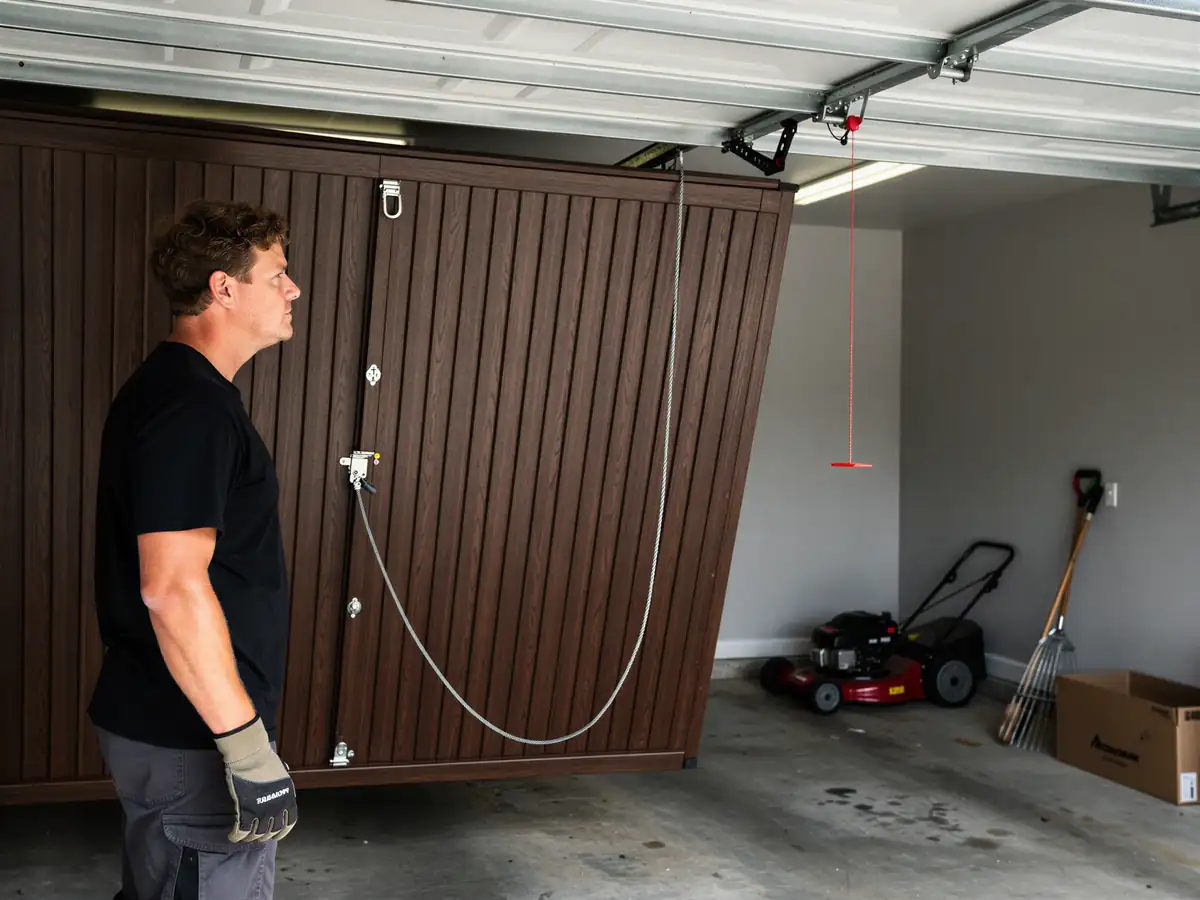
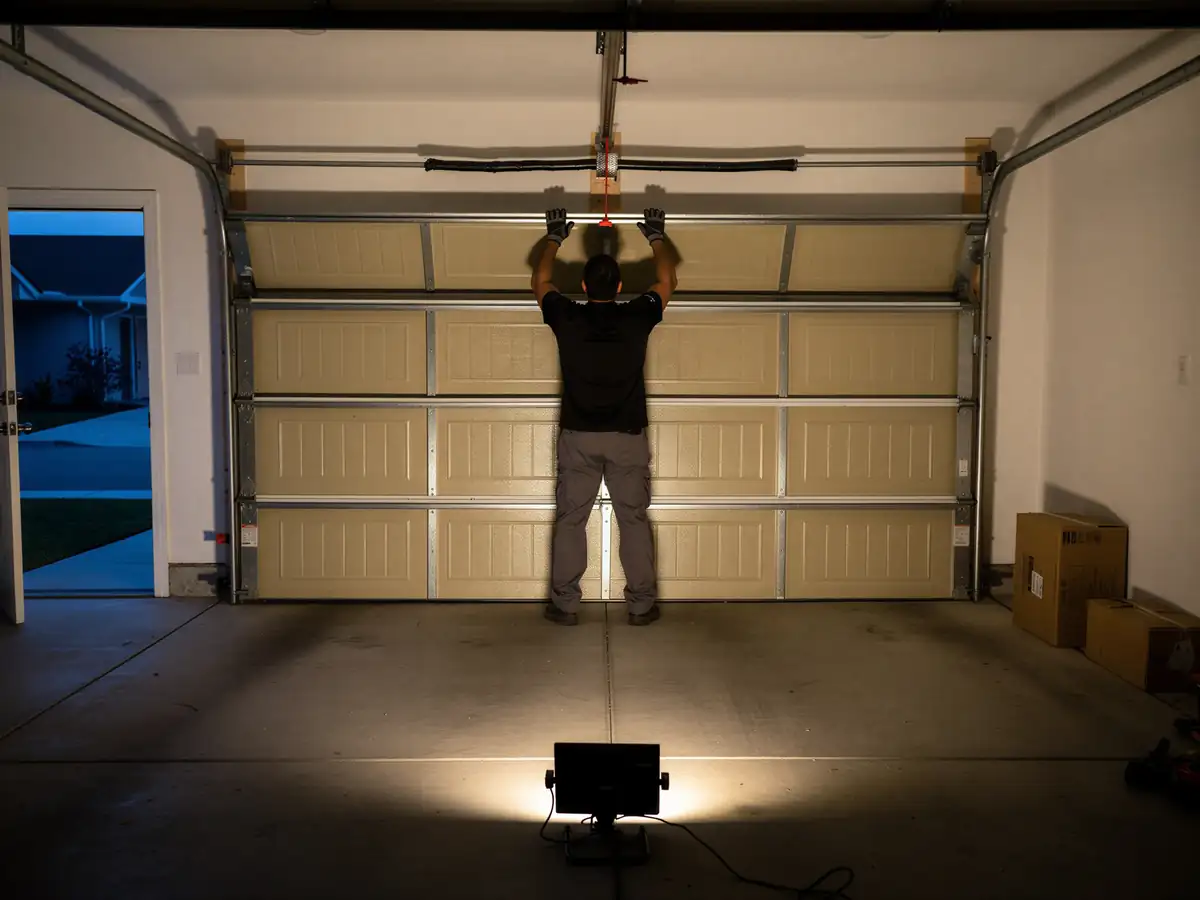
If your door is from that original 2000s build, the warning signs tend to show up as resistance before they show up as failure. The door hesitates on the way up, especially on cold mornings. The opener strains and makes a louder grinding noise than it used to. You might notice the door looks slightly crooked when it's halfway open, which usually means one cable or one side of the torsion system is carrying more load than the other. None of that is cosmetic - it's a spring or cable giving you notice before it lets go. On a double-wide door, which is common in a lot of these newer-build Westfield layouts, a full spring failure means the door won't lift at all, because there's nothing left holding the weight on one side. We'd rather see the door while it's still complaining than after it's stopped moving.
The DIY Question
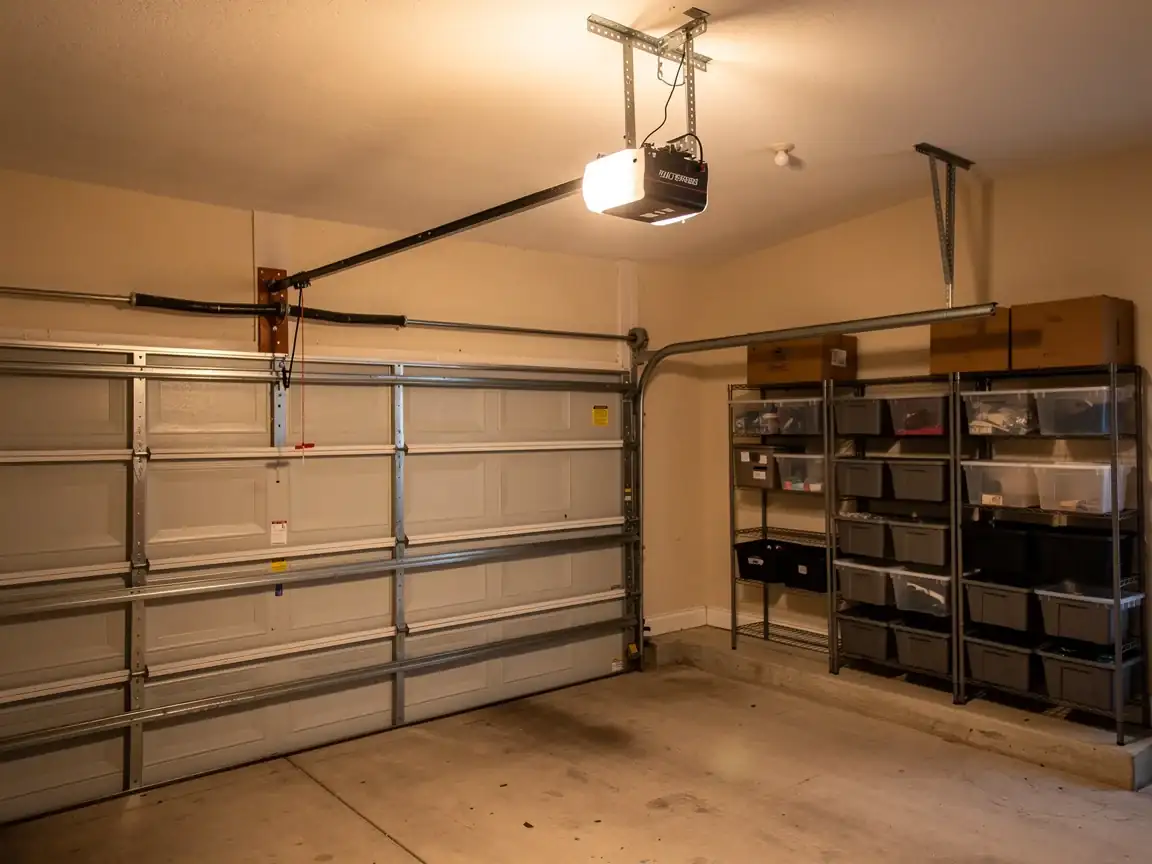
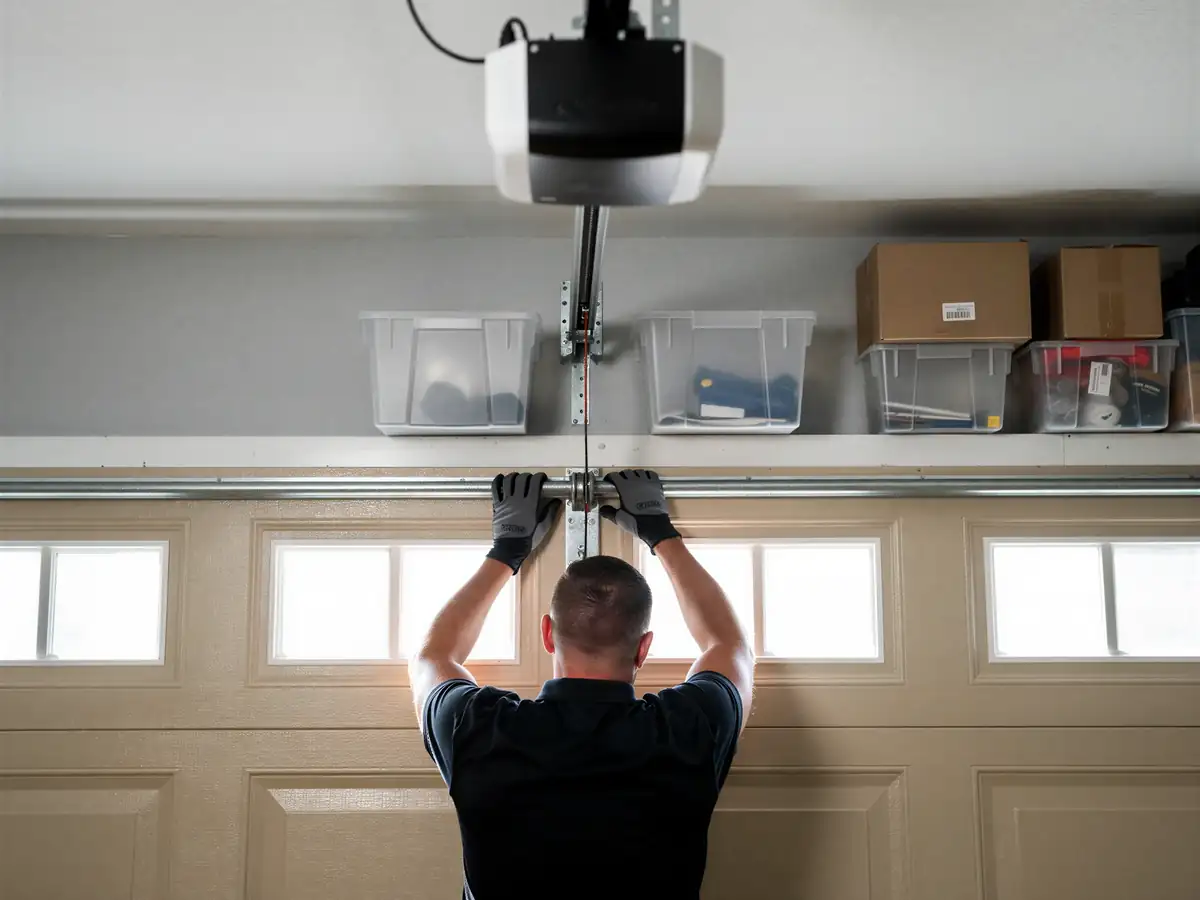
A torsion spring holds a dangerous amount of tension, enough to break a bone or worse if it lets go while you're working on it, and that doesn't change because the house is newer. Where DIY does make sense in a build like this is lubrication and visual checks - oiling hinges and rollers, watching for fraying on the cables, listening for new sounds. That's reasonable homeowner maintenance on a door of this age and it can buy you real time. What we don't recommend is touching the spring, the cable drums, or anything under tension yourself. If the opener's logic board is acting up - reversing randomly, not responding to the remote - that's also not a safe guess-and-check job, since 2000s-era openers vary a lot in how their circuit boards are laid out.
What the Fix Involves
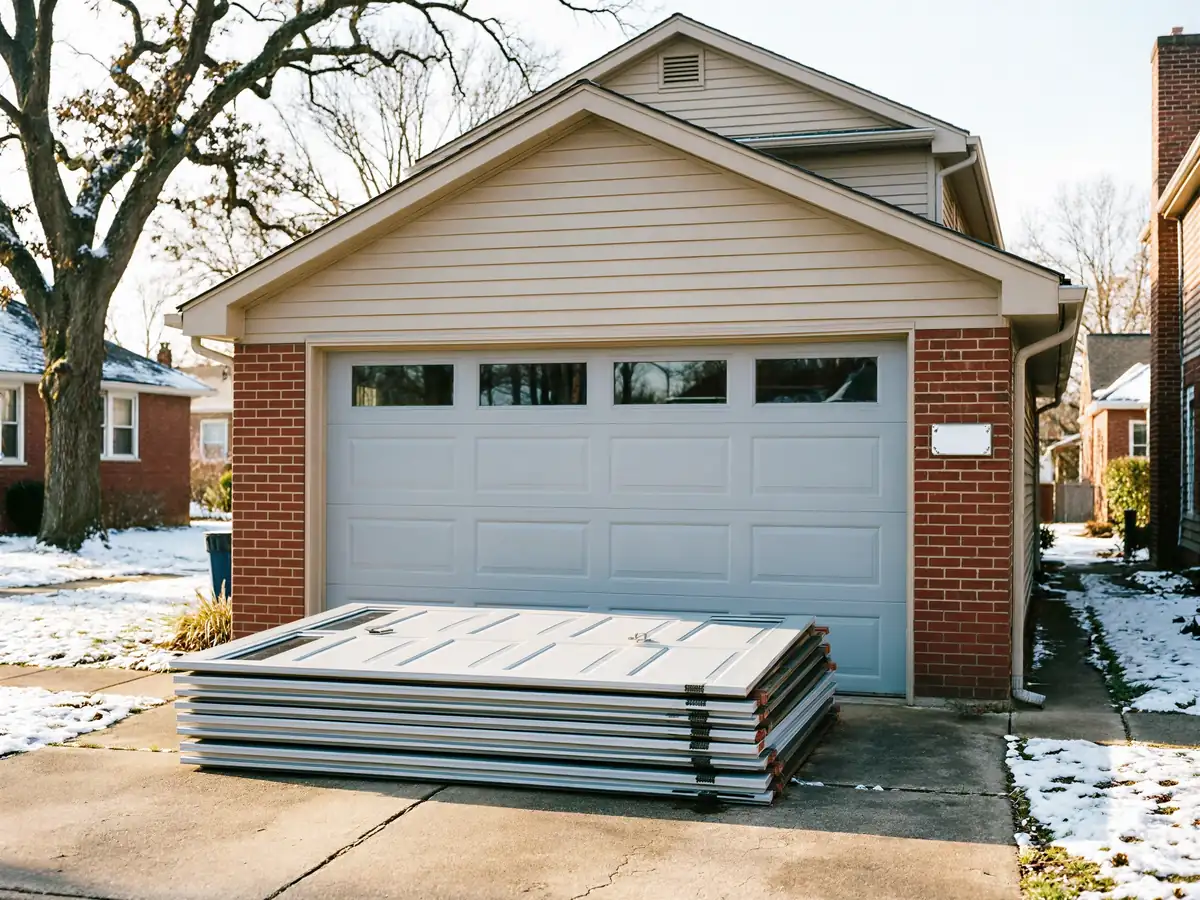
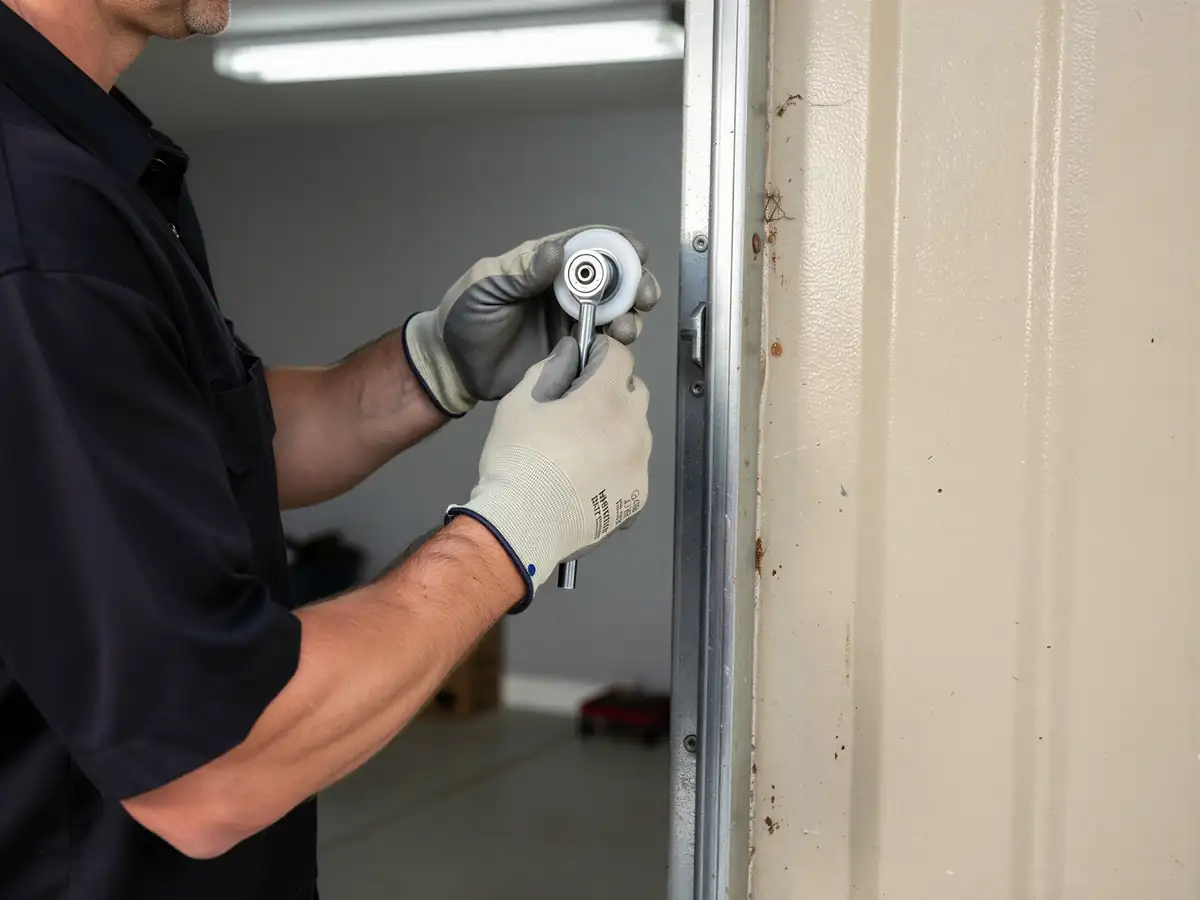
For a torsion spring at the end of its cycle life, the job is a full spring replacement sized to your door's weight, not a patch. We'll also check the cables and the drums at the same time, since on a door from this era they've usually seen the same wear and it's not worth a second trip to catch what we could've caught the first time. If the opener itself is the problem, parts availability depends on the brand and age of the unit, and we'll be straight with you if a board or part is on a longer lead time rather than promising a same-day fix we can't back up. One honest limit here: if the opener is far enough gone and parts are hard to source, replacement is usually the better call than chasing a repair on an obsolete model. We'll tell you which situation you're in before we start any work, not after.
Getting It Booked In
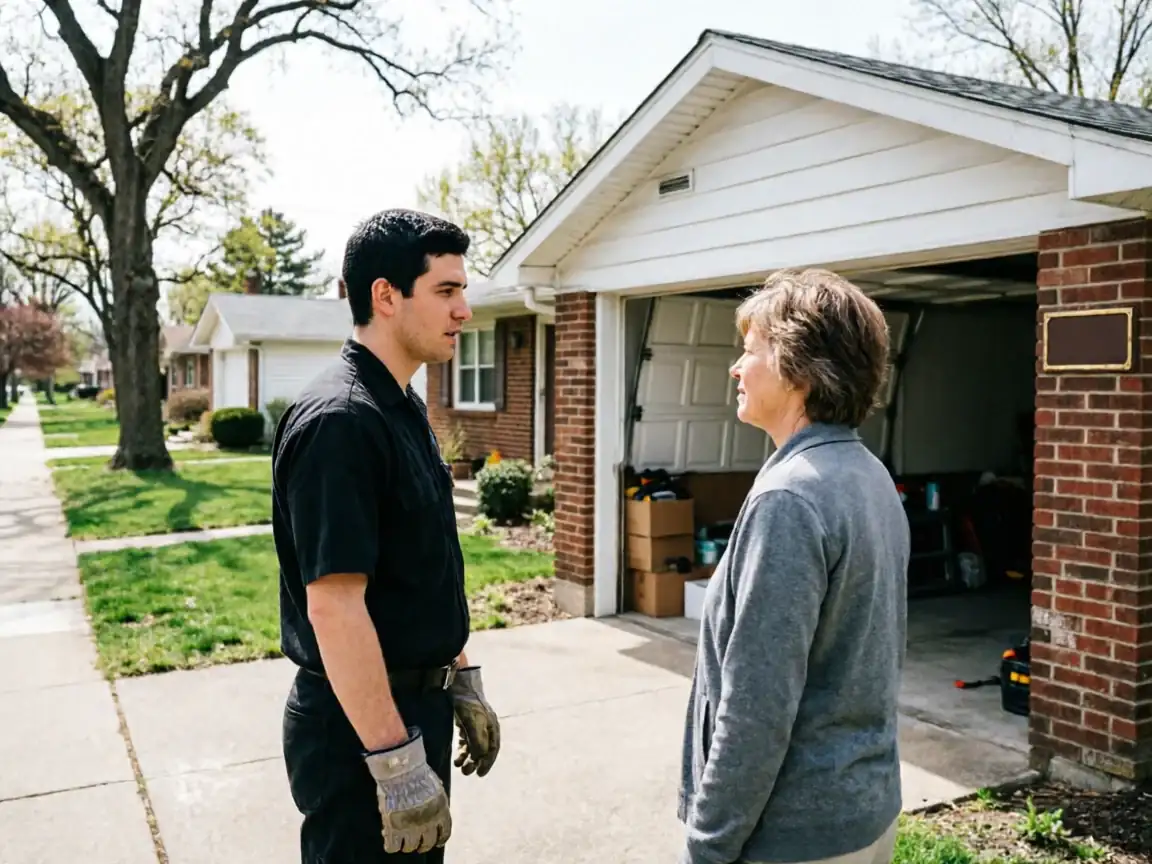
We run jobs out to Westfield from Indianapolis, about 18 miles out, same as our runs to Carmel, Fishers, and Zionsville. We don't keep a branch or a depot in Westfield itself, so timing a visit around the rest of our route matters, and we'll be upfront with you about when we can get there rather than guessing. Westfield's housing stock skews newer than most of what we see closer to the city, which changes what we expect to find - more original hardware nearing its limit, less of the older-era wear we deal with elsewhere. Tell us the age of your door and what it's doing (or not doing) and we can get a better sense of what we're walking into before the truck leaves.
How it works
From “it’s stuck” to “it’s fixed”
01
Tell us what’s wrong
Describe the symptom - won’t open, loud bang, opener runs but the door won’t move.
02
On-site diagnosis
A technician tests the door under power and by hand and finds what actually failed.
03
Clear, up-front plan
You get the fix that’s needed and what drives the cost - before any work starts.
04
Repaired & tested
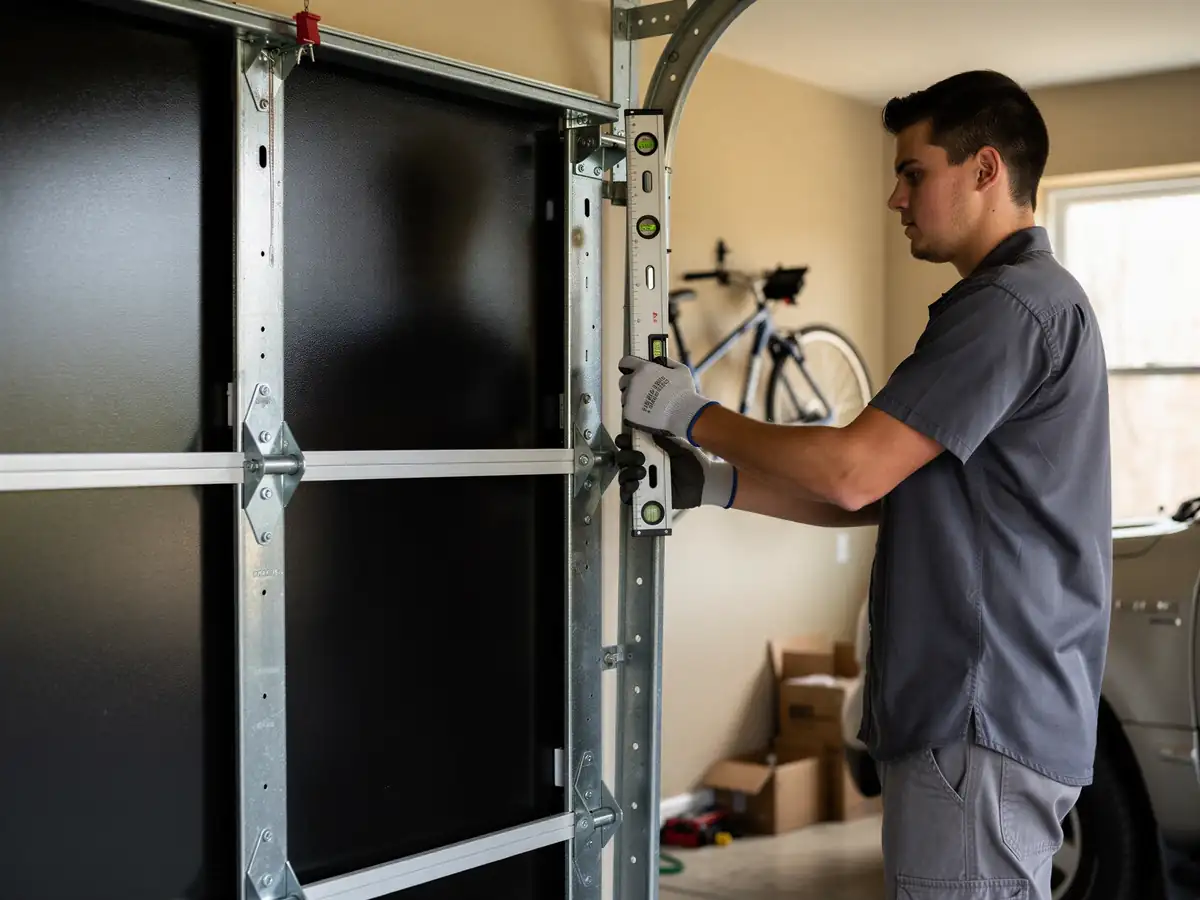
The repair is done, the door is set true and tested, and the work area left clean.
Not sure which repair your door needs in Indianapolis, IN? Describe what it’s doing - every job starts with a diagnosis.
Straight answers about garage door repair in Indianapolis. Still unsure? Ask us directly.
My garage door is from when the house was built around 2008 - is that spring original?
Likely, if nobody's mentioned replacing it. A torsion spring is rated for a set number of cycles, and a door opened twice a day since the mid-2000s has put a lot of miles on that original spring. If it's never been swapped, it's a strong candidate for what's actually failing now.
Why does my opener sound louder in winter?
Cold makes grease stiffen and steel contract slightly, so a spring or opener that's already near the end of its working life has to fight harder on cold mornings. Combined with a severe cold-winter climate like this area gets, that extra strain is often what pushes an aging part into failure.
Do you have a crew based in Westfield?
No, we run out to Westfield from Indianapolis, about 18 miles each way, the same distance we cover to reach Carmel, Fishers, and Zionsville. We don't keep a depot here, so we're upfront about scheduling around the rest of the day's route.
Should I replace the opener or just repair it?
Depends on the age and the part needed. If it's a logic board or motor part on an older model and parts are hard to source, replacement is usually the better value than chasing a repair. We'll tell you which situation applies before we start, not after.